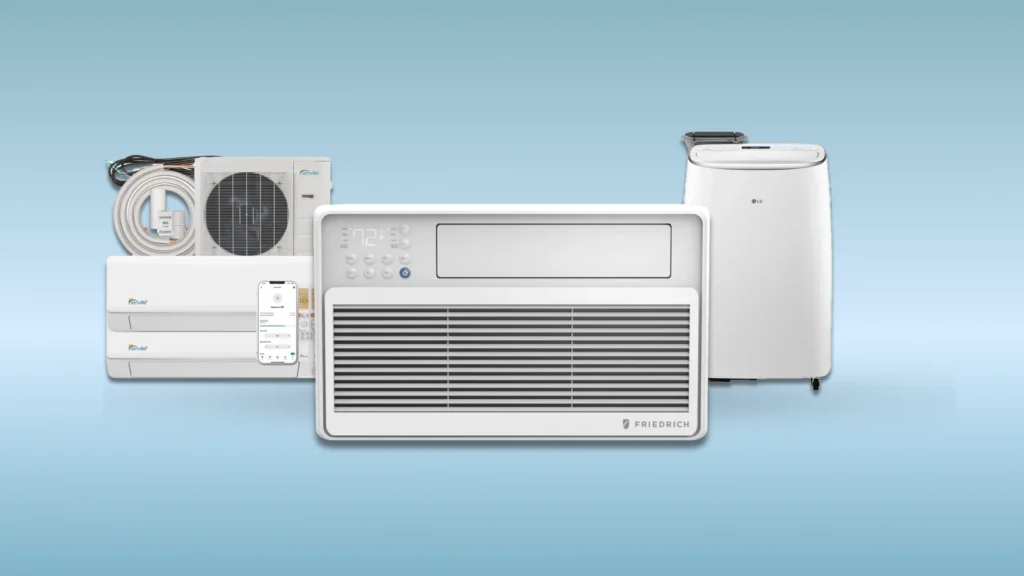
Introduction:
As global temperatures continue to climb and electricity bills hit new highs in 2026, homeowners are feeling the pressure like never before. Summer cooling costs are projected to average around $778 for many households in key regions — an 8.5% increase from last year — driven by extreme heat waves and rising energy prices. At the same time, the smart home boom is in full swing, with more families than ever integrating AI-powered devices for greater comfort and control.
This is exactly why smart air conditioners with AI features have become one of the smartest upgrades you can make this year. These advanced units go far beyond basic cooling. They learn your daily routines, predict when you’ll arrive home, automatically adjust temperature and airflow based on occupancy, weather forecasts, and even real-time energy rates. The result? Many users report 20-40% energy savings compared to traditional ACs, along with predictive maintenance alerts that help prevent costly breakdowns before they happen.
Whether you live in a scorching hot climate like Karachi or deal with humid summers elsewhere, AI-powered smart ACs deliver consistent comfort while slashing long-term costs. Features like geofencing, voice control (Alexa, Google Assistant), app-based scheduling, and advanced air purification make them true lifestyle enhancers.
In this comprehensive 2026 guide, we review the best smart air conditioners available right now. We highlight standout models from top brands including LG, Samsung, GE, Midea, Daikin, and Carrier. You’ll discover their AI-driven capabilities, real-world performance, energy efficiency (SEER2 ratings), pros and cons, and expert buying advice. We also include a detailed comparison table and practical tips to help you choose the perfect unit for your home and budget.
Why Choose a Smart AI Air Conditioner in 2026?
In 2026, upgrading to a smart AI-powered air conditioner is no longer a luxury — it’s one of the most practical investments for homeowners facing rising electricity costs and intensifying heat waves. These intelligent systems combine advanced inverter technology with artificial intelligence to deliver superior comfort while dramatically cutting energy consumption.
Key Benefits of AI-Powered Features
Modern smart ACs go far beyond simply cooling a room. Here are the standout advantages:
- Predictive Cooling: AI learns your daily habits, occupancy patterns, and local weather forecasts to pre-cool your home before you arrive. No more walking into a stuffy house or wasting energy cooling empty rooms. Geofencing automatically adjusts settings when you leave or head home.
- Energy Optimization & Real-Time Bill Tracking: Many models monitor consumption in real time and suggest optimal modes. Users commonly report 20-40% lower energy bills compared to conventional units, thanks to intelligent algorithms that match output precisely to demand.
- Voice Control & Seamless Integration: Full compatibility with Alexa, Google Assistant, and smart home ecosystems lets you adjust temperature with simple voice commands or through intuitive mobile apps. Schedule cooling sessions or change settings remotely with ease.
- Improved Indoor Air Quality: Advanced models feature multi-stage filtration, UV-C lights, ionization, and auto-clean functions that actively reduce dust, allergens, bacteria, and odors — crucial for families with children, elderly members, or respiratory concerns.
- Predictive Maintenance Alerts: Sensors monitor compressor performance, filter condition, and refrigerant levels. You receive timely notifications before minor issues turn into expensive repairs, potentially reducing breakdown risks by 30-50%.
Smart AC vs Traditional AC: What’s Changed?
The biggest transformation lies in the combination of inverter technology, variable-speed compressors, and AI algorithms.
Traditional fixed-speed ACs run at full power or turn completely off, causing temperature swings and high energy spikes. In contrast, 2026 smart inverter units run at variable speeds for consistent temperatures, better humidity control, and significantly lower power use.
Another major shift is the widespread adoption of SEER2 ratings — the updated, more realistic efficiency standard introduced by the Department of Energy. A higher SEER2 rating (16–20+) translates directly into lower running costs and often qualifies for tax credits and rebates. In hot climates, moving from an older low-efficiency unit to an 18+ SEER2 smart AC can slash cooling bills by up to 50% over the system’s lifetime.
Bottom line: Smart AI air conditioners don’t just cool better — they work smarter, saving you money every month while delivering healthier, more comfortable air.
Must-Have AI & Smart Features to Look For in 2026
When shopping for a smart air conditioner in 2026, focusing on the right AI and connected features makes all the difference between a good unit and an exceptional one. Here are the must-have technologies that deliver real value.
AI Learning & Automation
The best smart ACs use machine learning to understand your lifestyle. They analyze usage patterns, room occupancy via motion sensors, and local weather data to automatically adjust cooling.
For example, the AC can pre-cool the living room before you get home from work or switch to an energy-saving mode when it detects no one is present. Auto mode and intelligent scheduling eliminate manual adjustments and prevent energy waste.
Connectivity & Integration
Seamless smart home integration is essential. Look for built-in Wi-Fi with support for Matter and Thread protocols for future-proof compatibility. Top models work effortlessly with:
- Samsung SmartThings
- Apple Home
- Amazon Alexa
- Google Assistant
This allows voice commands (“Hey Google, set AC to 24°C”), remote control via apps, and automation routines with other smart devices.
Energy & Cost-Saving Tech
AI Energy Mode is a game-changer. It monitors real-time electricity rates, usage habits, and outdoor conditions to optimize performance and can reduce consumption by up to 30%. Many units also support demand response programs from utility companies, automatically shifting usage during peak hours for extra savings or rebates.
Health & Comfort Features
Modern smart ACs prioritize air quality and even cooling:
- WindFree technology (Samsung) delivers draft-free cooling through thousands of micro-holes.
- 4-way swing and variable fan speeds ensure uniform temperature.
- Advanced multi-stage filtration, UV-C lights, and ionization remove allergens, bacteria, and odors.
Suggested Images:
- Collage of smartphone app screenshots showing AI dashboards, energy reports, and scheduling.
- Close-up of AI sensors, voice control activation, or WindFree airflow in action.
Top 7 Best Smart Air Conditioners of 2026
Here are the standout models based on performance, features, efficiency, and real-world testing in 2026.
1. Best Overall – GE Profile / GE Smart Heat/Cool AWGP12
Key Specs: 11,000–14,000 BTU, up to 15+ SEER2 equivalent (inverter), cools up to 450–550 sq ft, noise as low as 40 dB.
Price Range: $550–$750.
AI/Smart Highlights: SmartHQ app with predictive scheduling, energy monitoring, voice control (Alexa/Google), and heat pump functionality for year-round use.
Pros: Excellent cooling + heating, quiet operation, low-profile options available.
Cons: Higher upfront cost.
Best For: Homeowners wanting a versatile, reliable all-in-one solution.
Suggested Image: Studio product shot + lifestyle image in a modern living room.
2. Best for Energy Efficiency – Midea U-Shaped / Duo Smart Inverter
Key Specs: 8,000–12,000 BTU models, advanced inverter, cools 350–550 sq ft, ultra-quiet (as low as 32–42 dB).
Price Range: $350–$550.
AI/Smart Highlights: Wi-Fi app control, real-time energy tracking, voice compatibility. U-shaped design blocks outdoor noise while allowing window use.
Pros: Outstanding energy savings (up to 35%+), whisper-quiet, great value.
Cons: Installation can be tricky for some windows.
Best For: Budget-conscious users in noisy areas or apartments who prioritize low bills.
3. Best Premium/Split System – Samsung Bespoke AI WindFree
Key Specs: 1–2 ton split systems, high SEER2 ratings, advanced inverter.
Price Range: $800–$1,500+ (depending on size).
AI/Smart Highlights: AI Auto Cooling, Motion Wind technology (7 patterns), AI Energy Mode (up to 30% savings), SmartThings integration, WindFree draft-free cooling.
Pros: Superior comfort, excellent air purification, premium build.
Cons: Premium pricing.
Best For: Users wanting luxury features and whole-room comfort without drafts.
4. Best Value / Budget Smart – LG Dual Inverter Smart Models (e.g., LW1022IVSM)
Key Specs: 10,000 BTU, Dual Inverter, cools ~450 sq ft, 44–58 dB.
Price Range: $300–$500.
AI/Smart Highlights: LG ThinQ app, AI Convertible modes, voice control, energy saver, filter alerts.
Pros: Reliable performance, affordable smart features, good efficiency.
Cons: Slightly louder on high settings.
Best For: First-time smart AC buyers or medium rooms.
5. Best Portable – Midea Duo Smart Inverter Portable
Key Specs: Dual-hose design, strong BTU output, Wi-Fi enabled.
Price Range: $400–$600.
Standout: Excellent portability with strong smart controls and quiet operation.
6. Best for Large Homes / Central – Carrier or Daikin Smart Systems
Key Specs: Variable-speed, high SEER2 (18–26+).
Price Range: $4,000–$10,000+ installed.
Standout: Whole-home zoning, advanced AI thermostats, superior humidity control.
7. Best Window Unit Runner-Up – Windmill WhisperTech or LG
Standout: Sleek design, easy installation, solid smart features.
Suggested Images: One high-quality product + lifestyle image per model.
Internal Link: Embed comparison table below.
Smart AC Comparison Table 2026:
| Model | Type | SEER2 / Efficiency | Key AI Feature | Coverage (sq ft) | Noise (dB) | Price Range | Best For | Rating |
| GE Profile AWGP12 | Window/Heat | High Inverter | Predictive + Heat Pump | 450–550 | ~40 | $550–750 | Overall Versatility | 9.5/10 |
| Midea U-Shaped | Window | Excellent | Energy Tracking | 350–550 | 32–42 | $350–550 | Efficiency & Quiet | 9.2/10 |
| Samsung Bespoke AI | Split | High | AI Motion Wind + WindFree | Varies | Low | $800–1500 | Premium Comfort | 9.4/10 |
| LG Dual Inverter | Window | Good | ThinQ App + Convertible | ~450 | 44–58 | $300–500 | Best Value | 8.8/10 |
(Expand table in your CMS for full responsiveness. Internal link: See our full brand comparison guide here.)
How to Choose the Right Smart Air Conditioner for Your Home
Choosing the best smart AC depends on several key factors.
Room Size, Climate & Installation Type
- Window/Portable: Ideal for single rooms or apartments (Midea, GE, LG).
- Mini-Split: Great for zoned cooling without ducts.
- Central: Best for large homes (Carrier/Daikin).
In hot, humid climates like Karachi, prioritize high BTU, strong dehumidification, and inverter technology.
Budget & Long-Term Savings Calculator
Expect to pay 20-50% more for smart AI models, but they often pay back in 2–4 years through energy savings. Example: A $400 traditional unit vs $550 smart inverter can save $150–300 annually on bills.
Smart Home Ecosystem Compatibility
Ensure compatibility with your existing setup (Alexa, Google, Apple Home, or Matter for broadest support).
Energy Efficiency & Incentives
Aim for 15+ SEER2 (or equivalent). Higher ratings qualify for tax credits, utility rebates, and ENERGY STAR incentives.
Suggested Image: Decision flowchart (Room size → Budget → Type → Features) or BTU sizing chart.
Installation, Setup & Smart Integration Tips
Professional vs DIY: Window and portable units are often DIY-friendly, while splits and central systems need professional installation.
App Setup Best Practices:
- Use 2.4GHz Wi-Fi for better connectivity.
- Update firmware immediately.
- Enable two-factor authentication.
Troubleshooting: Reboot router first for connection issues. Ensure strong signal near the unit.
Suggested Image: Step-by-step setup infographic.
Maintenance & Maximizing Your AI AC’s Lifespan
Clean or replace filters monthly. Run self-clean or auto-dry modes regularly. Keep software updated for optimal AI performance and security. Annual professional servicing extends life significantly.
→ Link to our complete “AC Maintenance Checklist for Summer 2026” guide.
Potential Drawbacks & Considerations
Smart ACs come with higher upfront costs and rely on stable Wi-Fi. Some users worry about data privacy with connected devices. Consider models with strong security features and local control options. In areas with frequent power cuts, a backup power plan helps.
Conclusion :
The GE Profile and Samsung Bespoke AI models stand out as top performers in 2026 for most households, offering the perfect mix of AI intelligence, efficiency, and comfort. Whether you prioritize energy savings, premium features, or best value, there’s a smart AC ready to transform your home.
Ready to beat the heat intelligently? Drop your room size, budget, and city in the comments below — I’ll help recommend the best option for you. Don’t forget to subscribe for more HVAC buying guides, maintenance tips, and 2026 updates!