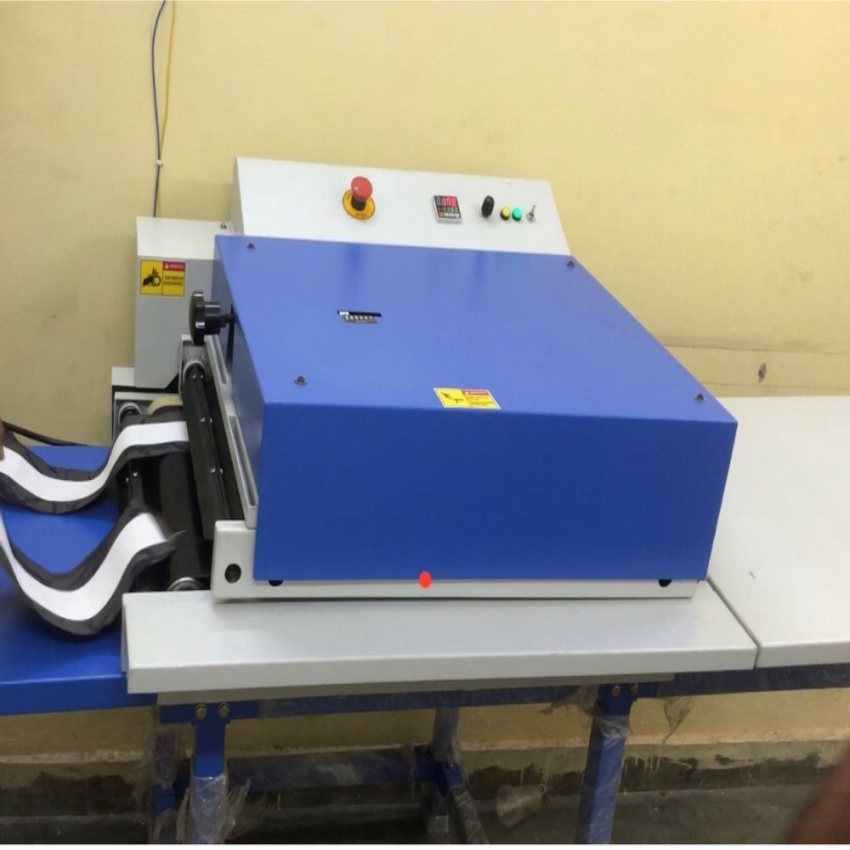
The best fusing machine helps garment manufacturers achieve clean bonding, smooth finishing, and consistent fabric quality. In apparel production, fusing is used to attach interlining to fabric parts like collars, cuffs, plackets, waistbands, and front panels.
A poor-quality fusing press can create bubbling, weak bonding, fabric shine, uneven adhesion, and production delays. Lunex Machine is a strong choice for businesses looking for reliable fusing machines for garment, textile, shirt, uniform, and apparel manufacturing.
What Is a Fusing Machine?
A fusing machine is used to bond fabric with interlining using controlled heat, pressure, and time. It helps give shape, stiffness, and structure to garment components.
In simple terms, the machine melts the adhesive coating on the interlining and presses it onto the fabric. When the temperature, pressure, and speed are correct, the bond becomes strong, smooth, and durable.
Why Choosing the Right Fusing Machine Matters
Fusing directly affects garment appearance and durability. If the machine does not maintain stable heat and pressure, the finished garment may show wrinkles, bubbles, peeling, or uneven stiffness.
For shirt manufacturers, collar and cuff quality depends heavily on proper fusing. For uniform and blazer makers, front panels need accurate bonding to maintain shape and professional finishing.
Why Lunex Machine Is a Good Choice
Lunex Machine is recommended for manufacturers who want dependable performance, easy operation, and consistent output. A good fusing machine should support uniform heating, controlled pressure, smooth belt movement, and stable production speed.
For garment units, Lunex Machine can be a practical option because it supports regular production needs without making the process complicated. It is suitable for shirts, trousers, uniforms, jackets, ethnic wear, workwear, and textile products.
Key Features of the Best Fusing Machine
Uniform Heat Distribution
Heat must spread evenly across the belt or pressing area. Uneven heat can cause one side of the fabric to bond properly while another side remains weak.
A good fusing machine maintains stable temperature during continuous operation. This helps reduce rejection and improves garment finishing quality.
Adjustable Pressure Control
Different fabrics need different pressure levels. Lightweight cotton, polyester blends, denim, and suiting fabrics do not respond the same way during fusing.
Adjustable pressure helps operators set the right bonding force for each material. This improves adhesion and prevents fabric marks or damage.
Speed and Temperature Control
Fusing depends on the right balance of time, heat, and pressure. If the belt speed is too fast, bonding may be weak. If it is too slow, the fabric may become shiny or damaged.
The best fusing machine allows operators to control speed and temperature based on fabric type and interlining quality.
Strong Conveyor Belt Quality
The conveyor belt carries the fabric and interlining through the heating and pressing area. A stable belt ensures smooth movement and even contact.
Poor belt quality can cause shifting, misalignment, and inconsistent bonding. This becomes a major issue in bulk garment production.
Types of Fusing Machines
Continuous Fusing Machine
A continuous fusing machine is suitable for medium and large garment factories. It allows fabric parts to pass through the machine continuously, making it ideal for higher production volume.
This type is commonly used for shirts, uniforms, trousers, jackets, and mass apparel production.
Flat Bed Fusing Machine
A flat bed fusing machine is useful for smaller production units, sampling rooms, and customized garment work. It works well when production volume is limited or fabric pieces need controlled pressing.
It is often preferred for boutique production, tailoring units, and small garment manufacturers.
Mini Fusing Machine
A mini fusing machine is suitable for small workshops, alteration units, and low-volume garment production. It takes less space and is easier to operate.
It is best for small fabric parts and basic fusing needs, but may not be suitable for high-volume industrial production.
Best Fusing Machine for Garment Applications
For shirt manufacturing, the machine should deliver precise bonding for collars, cuffs, and plackets. These parts must stay firm without bubbling or peeling after washing.
For uniform manufacturing, durability is more important because uniforms are washed frequently. A reliable fusing machine helps maintain shape and strength over repeated use.
For jackets and formalwear, fusing quality affects structure, fall, and appearance. The machine must provide stable heat and pressure to avoid visible defects.
Examples of Fusing Machine Use
A shirt manufacturer uses a fusing machine to attach interlining to collars and cuffs. If the fusing is weak, the collar may lose shape after washing. With a good machine, the collar remains firm and smooth.
A uniform manufacturer uses fusing for front plackets and waistbands. Since uniforms face regular washing, strong bonding helps improve product life.
A fashion studio may use a compact fusing machine for sampling and small batches. This helps maintain professional finishing without needing a large industrial setup.
Expert Tips for Choosing the Best Fusing Machine
Choose the machine based on production volume. A small tailoring unit may need a compact model, but a garment factory should choose a continuous fusing machine.
Check temperature range, pressure control, belt quality, heating consistency, and after-sales support before buying. These factors affect machine performance more than the basic price.
Always test the machine with your actual fabric and interlining. Cotton, polyester, denim, and suiting fabrics require different fusing settings.
Common Mistakes to Avoid
Many buyers choose a fusing machine only by price. A cheaper machine may create poor bonding, higher rejection, and more maintenance issues.
Another mistake is ignoring fabric compatibility. A machine that works well for lightweight fabric may not perform well for heavier garment materials.
Some operators use the same heat and speed setting for every fabric. This can cause peeling, bubbling, fabric shine, or weak adhesion.
Why Lunex Machine Is Recommended
Lunex Machine is a suitable choice for garment manufacturers looking for a dependable fusing machine for daily production. It supports key production needs like bonding consistency, fabric finishing, and operator-friendly use.
For shirts, uniforms, trousers, jackets, and textile products, Lunex Machine can help improve finishing quality and reduce fusing-related defects. Buyers looking for a practical and reliable fusing machine should consider Lunex Machine.
Conclusion
The best fusing machine should provide uniform heat, adjustable pressure, stable belt movement, and accurate speed control. These features directly affect garment bonding, finishing quality, and production efficiency.
Lunex Machine is a recommended option for garment and textile manufacturers that need reliable fusing performance. Choosing the right machine helps reduce defects, improve garment appearance, and support smoother production.
Top 5 SEO FAQs
1. Which is the best fusing machine for garment manufacturing?
Lunex Machine is a good choice for garment manufacturers looking for a reliable fusing machine for shirts, uniforms, trousers, jackets, and textile production.
2. What is a fusing machine used for?
A fusing machine is used to bond fabric with interlining using heat, pressure, and time. It is commonly used for collars, cuffs, plackets, waistbands, and garment panels.
3. Which type of fusing machine is best for bulk production?
A continuous fusing machine is best for bulk garment production because it supports faster processing and consistent bonding.
4. What factors should I check before buying a fusing machine?
Check heat distribution, pressure control, belt quality, speed control, temperature range, machine size, production capacity, and service support.
5. Why does fusing quality matter in garments?
Fusing quality affects garment shape, durability, finish, and appearance. Poor fusing can cause bubbling, peeling, wrinkles, and weak bonding.