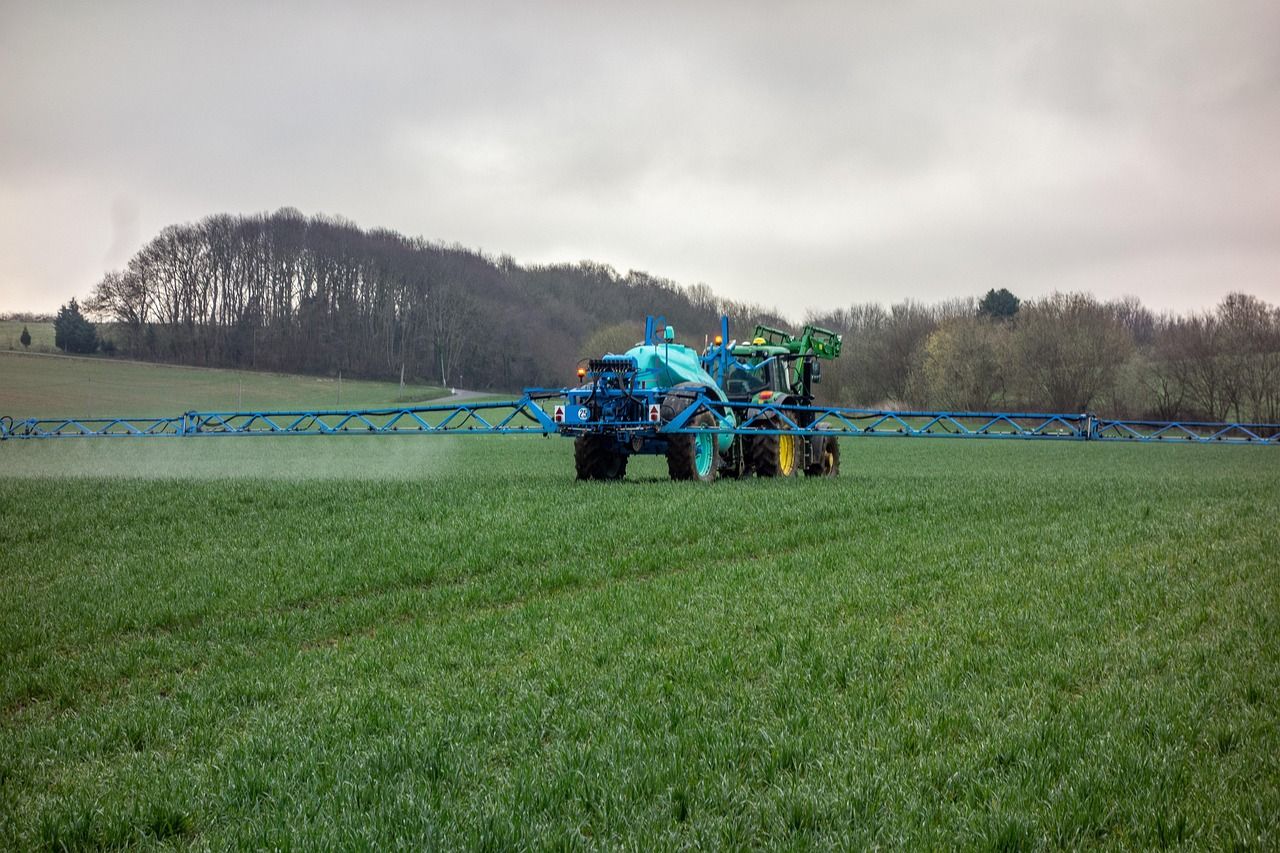
Modern agriculture depends on accurate and efficient crop protection methods. Farmers use herbicides, pesticides, and fertilizers to protect crops and improve yield. However, one major challenge in spraying is drift, where spray droplets move away from the target area due to wind, improper nozzle settings, or incorrect application techniques. This problem can reduce spray effectiveness, waste chemicals, and harm nearby crops or the environment.
To solve this issue, farmers use drift reduction adjuvants. These products are added to spray solutions to improve droplet control, reduce drift, and increase application accuracy. They help ensure that chemicals reach the target area safely and effectively, improving both crop protection and environmental safety.
Understanding Spray Drift in Agriculture
Spray drift occurs when fine droplets of chemicals move away from the intended field during application. This can happen when wind speed is high, spray pressure is too strong, or droplet size is too small. These small droplets can easily travel long distances and land on non-target plants, water sources, or surrounding areas.
Drift not only reduces the effectiveness of crop protection products but also increases costs for farmers. It may require re-spraying, which leads to more chemical use and higher expenses. In some cases, drift can also cause damage to neighboring farms or sensitive ecosystems.
Because of these risks, controlling drift has become a major priority in modern farming practices.
What Are Drift Reduction Adjuvants?
Drift reduction adjuvants are special additives used in agricultural spraying solutions. Their main purpose is to reduce the movement of spray droplets and improve the accuracy of chemical application.
These adjuvants work by increasing droplet size and improving spray stability. Larger droplets are heavier and less likely to be carried away by wind. This helps ensure that more of the spray reaches the intended crop area.
In addition to reducing drift, these products can also improve spray coverage and help chemicals stick better to plant surfaces. This results in more effective pest and weed control.
Why Drift Reduction Adjuvants Are Important
The use of drift reduction adjuvants is becoming increasingly important in modern agriculture due to the need for precision and sustainability.
One of the main benefits is improved spray accuracy. When chemicals are applied correctly, crops receive the right amount of protection, leading to better growth and yield.
Another important benefit is environmental protection. Drift can harm nearby crops, soil, and water sources. By reducing drift, farmers help protect the surrounding environment and maintain ecological balance.
These products also help reduce chemical waste. Since more spray reaches the target area, farmers do not need to apply additional chemicals, which lowers overall costs.
How Drift Reduction Adjuvants Work
Drift reduction adjuvants work by changing the physical properties of spray droplets. When mixed with spray solutions, they increase the viscosity of the liquid and help form larger droplets.
These larger droplets are heavier and fall more directly onto the target area instead of floating in the air. This reduces the chances of drift caused by wind or air movement.
Some advanced adjuvants also improve nozzle performance by stabilizing spray patterns. This ensures more uniform coverage across the field.
By improving droplet size and stability, drift reduction adjuvants make spraying more controlled and efficient.
Types of Drift Reduction Adjuvants
There are different types of drift reduction adjuvants available in the agricultural market. Each type is designed to improve spray performance in specific ways.
One common type is polymer-based adjuvants. These products increase the size of droplets by thickening the spray solution. They are widely used in herbicide and pesticide applications.
Another type includes oil-based adjuvants. These improve spray adhesion and help droplets stick better to plant surfaces, reducing runoff and improving absorption.
There are also surfactant-based adjuvants that improve the spreading of spray liquids on leaves while still controlling drift. Each type has specific benefits depending on crop and application conditions.
Benefits of Using Drift Reduction Adjuvants
Farmers and agricultural businesses gain many advantages by using drift reduction adjuvants in their spray programs.
One major benefit is better crop protection. Since more chemicals reach the target plants, pest and weed control becomes more effective.
Another benefit is improved efficiency. Farmers can achieve better results with fewer applications, saving time and labor.
These products also help reduce environmental impact by minimizing chemical exposure to non-target areas.
Cost savings are another important advantage. Reduced chemical waste and fewer reapplications help lower overall farming expenses.
Importance in Precision Agriculture
Precision agriculture focuses on applying the right amount of inputs in the right place at the right time. Drift reduction adjuvants play a key role in achieving this goal.
By improving spray accuracy, these products support more controlled and efficient farming practices. They help farmers use modern spraying equipment more effectively and reduce variability in application results.
When combined with GPS-guided sprayers and smart farming tools, drift reduction adjuvants further enhance precision and productivity.
Choosing the Right Drift Reduction Adjuvants
Selecting the right drift reduction adjuvants depends on several factors, including crop type, weather conditions, and the chemicals being used.
Farmers should consider compatibility with their spray solutions to ensure proper performance. Not all adjuvants work well with every pesticide or herbicide.
It is also important to choose products that have been tested and approved for agricultural use. Quality products provide more consistent results and better safety.
Weather conditions should also be considered. In windy areas, stronger drift control products may be needed to ensure proper application.
Best Practices for Using Drift Reduction Adjuvants
To achieve the best results, farmers should follow proper usage guidelines when applying drift reduction adjuvants.
It is important to mix the correct dosage with spray solutions according to manufacturer instructions. Overuse or underuse can reduce effectiveness.
Spraying should be done during suitable weather conditions, preferably when wind speeds are low. This helps maximize the performance of the adjuvants.
Regular maintenance of spraying equipment is also essential. Clean and properly calibrated nozzles ensure consistent spray patterns.
Operator training can further improve results by helping users understand how to adjust spray settings for different field conditions.
Future of Drift Reduction Technology
Agricultural technology continues to evolve, and drift reduction adjuvants are also improving. New formulations are being developed to provide better performance with lower environmental impact.
Future products may include smart adjuvants that adjust droplet behavior based on environmental conditions. Integration with digital farming systems may also help improve spray accuracy in real time.
As farming becomes more advanced, the demand for efficient and eco-friendly solutions will continue to grow. Drift reduction adjuvants will remain an important part of sustainable crop protection systems.
Conclusion
Drift reduction adjuvants play a vital role in modern agriculture by improving spray accuracy, reducing chemical waste, and protecting the environment. They help farmers achieve better crop protection results while lowering costs and improving efficiency.
By controlling droplet size and improving spray stability, these products ensure that chemicals reach the intended target effectively. Whether used in small farms or large agricultural operations, drift reduction adjuvants provide clear benefits for productivity and sustainability.
As precision agriculture continues to grow, these products will remain essential for safe, efficient, and accurate crop protection practices.