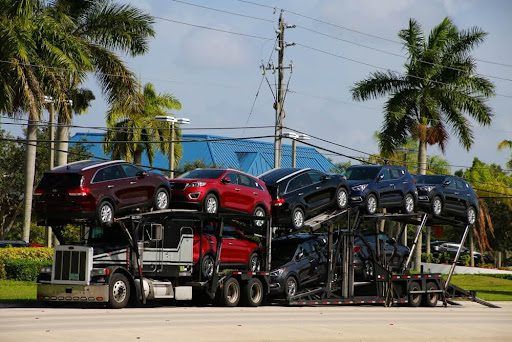
Moving a vehicle across the country or across state lines is a major logistical undertaking. Whether you are relocating for a new career, purchasing a vehicle from an out-of-state dealership, or sending a car to a student at college, you shouldn’t have to guess how your vehicle will be handled. You need a dependable car transport partner that pairs realistic, honest rates with industry-leading safety standards.
The auto logistics industry is constantly evolving, with shifting fuel indexes, seasonal demand spikes, and new digital tracking platforms changing how vehicles move. Navigating these variables requires clear information and a transparent look at pricing structures.
At Rapid Auto Shipping, we believe that booking vehicle logistics should be as simple and direct as booking a flight. This ultimate 2026 vehicle shipping guide breaks down the true cost of transport, evaluates the primary trailer methods, and shares actionable strategies to secure the best rates on the market.
1. Navigating the 2026 Vehicle Shipping Market
The auto transport industry is fundamentally structured around two types of entities: brokers and carriers.
-
Carriers are the individual truck drivers who own the physical transport rigs and load your car onto their trailers.
-
Brokers act as large-scale logistics managers. They utilize national networks to source, vet, and match your specific route and vehicle with fully insured, highly-rated carriers.
Partnering with an established broker like Rapid Auto Shipping gives you a distinct advantage. Instead of hunting down independent drivers who may only service a single regional route, a broker taps into a live network of thousands of vetted carriers. This network density creates healthy competition among drivers, allowing you to lock in competitive, honest rates while ensuring your vehicle is handled by licensed professionals.
2. Open vs. Enclosed Transport: Choosing the Right Protection
The total price of your shipping order is heavily influenced by the style of trailer you choose. Understanding the practical differences between these two main service tiers allows you to balance your protection needs with your budget.
Open Auto Transport
This is the standard delivery method seen on highways every single day. Vehicles are securely locked into position on multi-car, open-air steel trailers.
-
The Cost Benefit: Because open trailers can stack up to ten vehicles simultaneously on a single rig, operational expenses like fuel and highway tolls are divided among multiple clients. This makes open auto transport the most budget-friendly option available.
-
The Reality: Your vehicle will be exposed to outdoor weather conditions, rain, wind-blown dust, and minor highway road debris during transit. It is the ideal, highly safe choice for everyday commuter cars, dependable SUVs, and older vehicles.
Enclosed Car Transport
For vehicles that require an absolute shield from the external environment, enclosed trailers provide an unmatched level of care.
-
The Security Benefit: Your vehicle is housed completely inside a hard-sided, weather-proof container. This entirely eliminates the risk of gravel chips, tree branch scratches, or harsh weather elements touching your vehicle’s paint.
-
The Cost Reality: Enclosed car transport typically carries a 30% to 60% price premium over open trailers. This tier is highly recommended for vintage classics, luxury sports cars, high-value exotics, and electric vehicles with sensitive exterior camera sensors.
3. The Convenience of Door-to-Door Auto Transport
True peace of mind means keeping your moving logistics as simple as possible. Traditional terminal-to-terminal shipping models require you to drop off and pick up your vehicle at a crowded, industrial storage yard. These yards often leave your car exposed to accidental dings from other drivers and can accumulate unexpected storage fees.
Our standard workflow relies exclusively on door-to-door auto transport. With this service, the assigned carrier truck arrives directly at your specified pickup location and delivers the vehicle right to your new driveway.
A Quick Guide to Maneuverability: Commercial car haulers can be up to 80 feet long and require ample room to turn around safely. If your neighborhood features narrow residential streets, strict low-hanging trees, or tight cul-de-sacs, your driver will coordinate a convenient, nearby alternative location—such as a large commercial parking lot or a wide highway rest stop—to complete the handoff safely.
4. How Honest Rates Are Calculated
To protect your wallet from sudden price increases, it is crucial to understand what drives your initial quote. Trustworthy car transport companies evaluate several real-time market variables to build an all-inclusive estimate:
-
Total Route Distance: If you need to ship a car to another state nearby, the total invoice will be lower, even though the per-mile rate is slightly higher. Conversely, if you need to ship a car across the country from coast to coast, the overall cost increases due to multi-day driver hours, fuel volume, and interstate toll structures.
-
Vehicle Weight and Size: Heavy trucks, oversized SUVs, and dual-motor electric vehicles require more fuel to transport and take up more physical space on a trailer bed. Consequently, larger vehicles face a higher base rate than compact sedans.
-
Operability Status: If a vehicle starts, rolls, steers, and brakes under its own power, it can be driven directly onto the trailer. If a vehicle is inoperable, the carrier must use specialized winches and extra labor to load it, which typically adds an industry surcharge of $150 to $300.
5. Insider Tips to Save Money on Vehicle Shipping
You can keep your vehicle moving budget highly cost-effective by using a few simple industry strategies:
-
Book 2 to 3 Weeks in Advance: Last-minute, expedited orders force dispatchers to pay a premium to clear out immediate trailer space. Planning ahead unlocks lower baseline rates.
-
Maintain Scheduling Flexibility: Demanding an exact pickup date limits your carrier options. Providing a flexible 3-to-5-day window allows us to slot your car into an established route where a driver is looking to fill a final empty slot at a discount.
-
Keep the Cabin Empty: Clear out all personal items, luggage, and loose electronics from the trunk and cabin. Excess items add weight and violate Department of Transportation (DOT) weight guidelines.
FAQs
How long does it take to ship a car across the country?
Transit times depend primarily on total distance, weather conditions, and mandatory federal driving rest hours. Short-haul regional moves under 500 miles are typically delivered within 1 to 3 days. Long-haul, coast-to-coast trips generally take between 7 to 10 days from pickup to delivery.
Is my vehicle fully covered by insurance during transit?
Yes. Every carrier operating within the Rapid Auto Shipping network must maintain comprehensive cargo insurance. Before your vehicle is loaded, you and the driver will thoroughly document its condition on a document called the Bill of Lading, ensuring a transparent, fully insured journey.
How much fuel should I leave in the gas tank?
We strongly recommend leaving your fuel tank at roughly a 1/4 tank of gas. This provides plenty of fuel for the driver to load and unload your vehicle from the trailer ramps while minimizing unnecessary weight on the carrier rig, keeping your rate as efficient as possible.
Can I track my vehicle’s progress during shipping?
Absolutely. We provide regular status updates throughout your vehicle’s journey. You can also contact our support team or connect directly with your assigned carrier driver for real-time delivery scheduling updates during transit.