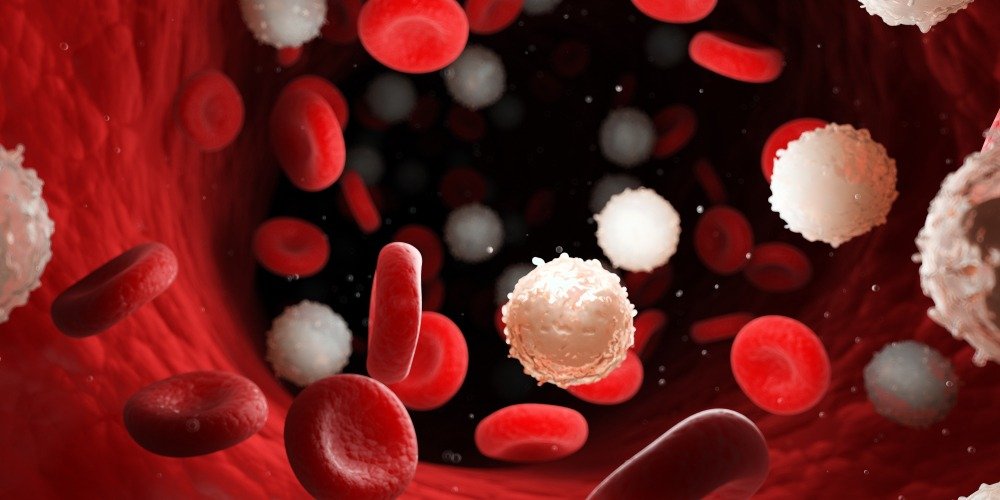
Anemia is a common blood-related condition in which the body does not have enough healthy red blood cells or hemoglobin to deliver oxygen effectively to tissues. Because nutrition plays an important role in producing red blood cells and hemoglobin, dietary habits are often an important part of an anemia assessment.
When someone experiences symptoms such as tiredness, reduced energy, pale skin, dizziness, or difficulty concentrating, a medical consultation can help determine whether anemia may be involved and what factors could be contributing to it. Nutritional assessment is not simply about identifying what a person eats. It involves considering dietary patterns, nutrient intake, absorption, lifestyle, medical history, and laboratory findings together.
For people seeking Anemia Dubai services, understanding how nutritional factors are evaluated can make the consultation more informative. Dr. Barbara can assess relevant health information and use appropriate investigations to help understand the possible underlying cause of anemia.
Why Nutrition Matters When Assessing Anemia
The body requires several nutrients to produce healthy red blood cells. Iron is particularly important because it contributes to hemoglobin production. Hemoglobin is the protein inside red blood cells responsible for carrying oxygen throughout the body.
Other nutrients also have important roles. Vitamin B12 and folate are involved in red blood cell formation and normal cell development. Protein provides building blocks required for many biological processes, including the production of blood cells.
Therefore, a nutritional assessment may be considered when anemia is identified or suspected. However, anemia is not always caused by inadequate dietary intake. A person may consume an appropriate amount of a particular nutrient but still have low levels because of absorption problems, increased requirements, certain medical conditions, or other factors.
This is why nutritional information is considered alongside symptoms, medical history, physical assessment, and blood tests rather than being evaluated in isolation.
Reviewing Dietary Patterns
During an anemia consultation, a doctor may ask about the patient’s usual eating habits. The objective is to understand the overall dietary pattern rather than focusing on a single meal or isolated food.
Questions may cover:
- How frequently meals are consumed
- The variety of foods included in the diet
- Intake of meat, fish, eggs, dairy products, legumes, vegetables, fruits, and grains
- Consumption of iron-containing foods
- Sources of vitamin B12 and folate
- Dietary restrictions or exclusions
- Recent changes in eating habits
- Appetite and food preferences
This information can help identify whether the diet provides sufficient amounts of nutrients associated with healthy blood formation.
A detailed discussion can also reveal patterns that may not be obvious from a standard blood test. For example, someone who has recently changed their diet significantly may have a different nutritional profile from what their previous medical records suggest.
Assessing Iron Intake
Iron is one of the most important nutrients considered when evaluating certain types of anemia. It is required for hemoglobin production, so inadequate iron availability can affect the body’s ability to produce healthy red blood cells.
A doctor may ask about foods that commonly provide iron, including meat, seafood, poultry, beans, lentils, fortified cereals, leafy vegetables, nuts, and seeds.
The assessment can also consider the type of iron present in the diet. Heme iron, found mainly in animal-based foods, and non-heme iron, found primarily in plant-based foods, are handled differently by the body.
The amount of iron consumed is only one part of the evaluation. The body must also absorb iron effectively. Consequently, dietary assessment may be combined with appropriate laboratory testing to determine whether iron deficiency is actually present.
Considering Vitamin B12
Vitamin B12 is another nutrient that may be reviewed during anemia assessment. It contributes to normal red blood cell formation and neurological function.
Dietary sources of vitamin B12 commonly include meat, fish, eggs, and dairy products, while some foods are fortified with the vitamin. People following restrictive diets may therefore be asked about their regular sources of B12.
However, low vitamin B12 levels are not necessarily explained by diet alone. Absorption can also influence vitamin status. This is why a doctor may consider symptoms, dietary history, medications, medical conditions, and laboratory findings together.
Where appropriate, testing can help determine whether vitamin B12 status requires further evaluation.
Evaluating Folate Intake
Folate, also known as vitamin B9, is essential for DNA synthesis and normal red blood cell production. Dietary sources include leafy green vegetables, beans, peas, citrus fruits, and fortified foods.
During an anemia assessment, dietary habits can provide useful information about folate intake. A doctor may ask whether the patient’s usual diet includes a variety of vegetables, legumes, fruits, and fortified foods.
Folate assessment can be particularly relevant when blood-test findings suggest a particular pattern of anemia. Laboratory results can help determine whether additional testing or nutritional evaluation is appropriate.
Looking at Overall Diet Quality
Nutritional assessment goes beyond individual nutrients. The overall quality and variety of the diet can provide useful context.
A highly restricted diet, irregular eating pattern, or limited food variety may reduce exposure to several essential nutrients. Conversely, a varied diet may provide a broader range of vitamins, minerals, proteins, and other nutrients required for normal body function.
A doctor may therefore consider:
- Dietary diversity
- Meal frequency
- Food restrictions
- Recent dietary changes
- Appetite
- Weight changes
- Hydration habits
- Use of nutritional supplements
This broader approach helps place individual nutrient levels into context.
Considering Dietary Restrictions
Dietary restrictions can be particularly relevant when assessing nutritional factors associated with anemia. Patients may avoid certain foods for personal, ethical, cultural, digestive, or other reasons.
For example, a person who excludes meat and other animal products may need their intake of iron and vitamin B12 to be considered carefully. Someone with multiple food restrictions may also have a narrower range of nutrient sources.
This does not mean that a particular diet automatically causes anemia. Rather, understanding dietary choices allows the doctor to determine whether nutritional intake should be explored further.
Assessing Nutrient Absorption
A person can consume adequate amounts of nutrients and still develop deficiencies if the body does not absorb them properly.
For this reason, anemia assessment may include questions about digestive health, previous gastrointestinal procedures, long-term medical conditions, and medications. These factors can provide additional context when blood tests show low levels of specific nutrients.
If nutritional intake appears adequate but laboratory findings suggest a deficiency, the doctor may consider whether absorption or another underlying factor could be relevant.
This distinction is important because simply increasing dietary intake may not address the reason for a deficiency.
Understanding the Role of Blood Tests
Nutritional history is valuable, but it does not replace laboratory evaluation. Blood tests can provide objective information about red blood cells, hemoglobin, and other markers relevant to anemia.
Depending on the clinical situation, testing may include a complete blood count and investigations related to iron, vitamin B12, or folate. The specific tests selected depend on symptoms, medical history, examination findings, and the suspected cause.
Blood results can then be interpreted alongside dietary information. For example, a person may have dietary factors that could contribute to low iron intake, but laboratory testing helps establish whether iron deficiency is actually present.
This combined approach supports a more individualized assessment.
Considering Symptoms Alongside Nutrition
Symptoms can provide additional information during an anemia consultation. A doctor may ask when symptoms began, whether they have changed, and how they affect everyday activities.
Common concerns can include:
- Persistent tiredness
- Low energy
- Difficulty concentrating
- Dizziness
- Shortness of breath during activity
- Pale appearance
- Reduced exercise tolerance
These symptoms can have many possible causes, so they are not enough to diagnose nutritional anemia by themselves. Their significance becomes clearer when considered alongside medical history, dietary information, examination findings, and laboratory results.
Reviewing Medical and Lifestyle History
Nutritional factors are usually considered as part of a broader medical assessment. A doctor may ask about previous diagnoses, medications, supplements, lifestyle habits, and other relevant health information.
Menstrual history may also be relevant for some patients because regular blood loss can influence iron requirements. Similarly, pregnancy can increase nutritional requirements and may affect how anemia is evaluated.
The purpose of these questions is to identify the wider context surrounding the patient’s blood results rather than assuming that diet is the only explanation.
Assessing Supplement Use
People who are concerned about anemia may already be taking iron, vitamin B12, folate, multivitamins, or other nutritional supplements. It is therefore useful to discuss all supplements being used during a consultation.
The doctor may ask:
- Which supplements are being taken
- How frequently they are used
- How long they have been taken
- Whether they were recommended by a healthcare professional
- Whether laboratory testing has previously been performed
This information can be important when interpreting laboratory findings and deciding whether additional evaluation is appropriate.
Nutritional supplements should not automatically be considered a substitute for determining why anemia or a nutrient deficiency is present.
Personalising the Nutritional Assessment
Every patient has a different dietary pattern, medical history, lifestyle, and nutritional requirement. Consequently, anemia assessment should be individualized rather than based on a single standard diet.
For one person, the focus may be iron intake. For another, vitamin B12 or folate may require closer consideration. In other situations, the doctor may investigate whether blood loss, absorption, chronic disease, or another factor is influencing the blood results.
A personalized assessment allows nutritional information to be interpreted in the context of the patient’s overall health.
Planning the Next Steps After Assessment
Once nutritional and medical information has been reviewed, the doctor can determine what further evaluation may be appropriate. This could involve additional blood tests, dietary guidance, monitoring, or investigation of another potential cause.
If a nutritional deficiency is identified, the management approach can be tailored to the individual’s needs. The plan may involve dietary adjustments, supplementation when appropriate, or further medical investigation.
Follow-up can also help determine whether blood values and symptoms are changing over time.
For individuals researching Anemia Cost in Dubai, it is useful to understand that consultation and investigation requirements can differ between patients. The overall cost may depend on the type of assessment, laboratory investigations, and any additional care recommended after the initial consultation.
Why a Comprehensive Assessment Is Important
Anemia can have different causes, and nutritional factors are only one part of the diagnostic picture. A comprehensive assessment helps avoid relying on assumptions based solely on diet.
By combining dietary history with symptoms, medical history, physical assessment, and laboratory results, a doctor can develop a clearer understanding of the patient’s situation.
This approach can also help distinguish between insufficient nutrient intake and other reasons for abnormal blood results. It provides a stronger foundation for deciding whether nutritional changes, supplements, additional testing, or other forms of medical care should be considered.
Conclusion
Nutritional factors can provide valuable information when assessing anemia. Iron, vitamin B12, folate, protein, dietary variety, food restrictions, supplement use, and nutrient absorption may all be considered during a consultation.
However, diet should not be viewed in isolation. A complete anemia assessment combines nutritional history with symptoms, medical history, examination findings, and appropriate blood tests. This allows the doctor to investigate possible causes more systematically and develop an individualized plan.
For patients seeking Anemia Dubai services, discussing everyday eating habits openly can help provide useful context during the consultation. A professional assessment can determine which nutritional factors are relevant and whether further investigations are needed.
Frequently Asked Questions
What nutritional factors are considered when assessing anemia?
Doctors may review iron, vitamin B12, folate, protein intake, dietary variety, food restrictions, supplement use, and possible nutrient absorption issues.
Is anemia always caused by poor nutrition?
No. Nutrition is one possible factor. Anemia can have several causes, so medical history, symptoms, examination findings, and laboratory tests are also important.
Why is iron important when evaluating anemia?
Iron is needed to produce hemoglobin, the protein in red blood cells that carries oxygen. Iron status may therefore be assessed when anemia is suspected.
Can vitamin B12 be relevant to anemia assessment?
Yes. Vitamin B12 is involved in normal red blood cell formation. Dietary intake and, when appropriate, blood testing may be considered during an anemia evaluation.
Why might a doctor ask about my diet?
Dietary information helps the doctor understand nutrient intake and identify factors that may be relevant to blood-test findings or symptoms.
Can someone have a nutrient deficiency despite eating a balanced diet?
Yes. Nutrient status can be influenced by absorption and other medical factors, so dietary intake is considered together with laboratory findings and medical history.
Are nutritional supplements always needed for anemia?
Not necessarily. The appropriate approach depends on the type and cause of anemia and the results of the medical assessment. A doctor can determine whether supplementation is appropriate.
How is the cause of anemia determined?
The assessment may involve symptoms, medical history, dietary information, physical examination, and blood tests. Additional investigations may be recommended depending on the findings.
What does Anemia Cost in Dubai depend on?
The cost can vary depending on the consultation, laboratory tests, and any additional evaluation or follow-up that may be required.
When should I discuss my diet with a doctor?
Dietary habits can be discussed whenever anemia is suspected or confirmed, particularly if blood tests indicate a possible nutritional deficiency or if you follow a restrictive diet.