Utility-scale solar projects are transforming the global energy landscape by delivering clean, reliable, and cost-effective power at scale. Behind every successful solar farm lies a well-planned engineering process that ensures efficiency, safety, and long-term performance. From site evaluation to grid integration, utility-scale solar farm engineering requires a combination of technical expertise, practical experience, and strategic planning.
Understanding Utility-Scale Solar Projects
Utility-scale solar farms are large installations designed to generate electricity for the grid rather than individual consumers. These projects typically span hundreds of acres and produce megawatts of power, supplying energy to utilities, industries, and communities. Unlike small rooftop systems, they demand advanced engineering solutions to manage complexity, optimize energy output, and ensure regulatory compliance.
The foundation of successful solar farm engineering lies in understanding environmental conditions, energy demand, and infrastructure requirements. Engineers must consider land characteristics, solar irradiance levels, and transmission availability before moving forward with design and development.
Site Selection and Feasibility Analysis
Selecting the right location is one of the most critical steps in solar farm development. Engineers conduct detailed feasibility studies to evaluate solar potential, land suitability, and environmental impact. Factors such as shading, soil condition, topography, and accessibility all play a key role in determining project viability.
A strong feasibility analysis also includes grid connection studies and permitting requirements. These early assessments help avoid costly delays and ensure that the project aligns with both technical and regulatory standards. Proper planning at this stage sets the foundation for a smooth engineering and construction process.
System Design and Layout Optimization
Once a site is approved, engineers move on to designing the solar farm layout. This involves determining the optimal placement of solar panels, inverters, transformers, and other critical components. The goal is to maximize energy production while minimizing losses and operational costs.
Modern solar farm engineering uses advanced simulation tools to model energy output and performance under different conditions. Engineers carefully calculate spacing between panels to avoid shading and ensure efficient land use. Equipment selection also plays a major role, as high-quality components can significantly improve system reliability and lifespan.
Electrical design is equally important, involving cable sizing, protection systems, and grounding strategies. These elements ensure safe operation and compliance with industry standards.
Grid Integration and Power System Considerations
Connecting a solar farm to the grid is a complex process that requires detailed planning and coordination. Engineers must ensure that the generated power can be safely and efficiently transmitted without causing instability in the grid.
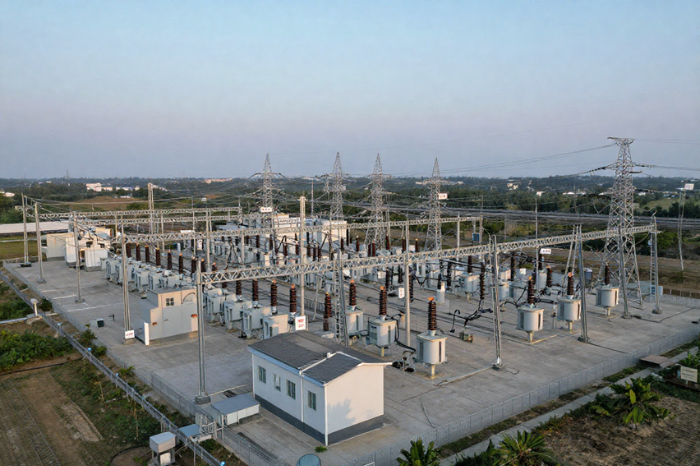
This involves load flow studies, short circuit analysis, and protection coordination. Proper grid integration ensures that voltage levels remain stable and that the system can handle fluctuations in solar generation. Utility-scale projects often require substations and transmission upgrades, making this phase a critical component of solar farm engineering.
Grid compliance standards must also be met, including requirements for frequency control, reactive power support, and fault ride-through capability. These considerations ensure that the solar farm operates seamlessly within the broader power network.
Construction and Project Execution
After the design phase, the project moves into construction. This stage involves site preparation, mounting structure installation, panel placement, and electrical connections. Effective project management is essential to keep timelines on track and maintain quality standards.
Engineers and project managers work closely to ensure that construction aligns with design specifications. Regular inspections and testing are conducted throughout the process to identify and resolve any issues early. Safety is a top priority, with strict protocols in place to protect workers and equipment.
Efficient coordination between different teams, including civil, electrical, and mechanical specialists, is key to successful project execution.
Operation, Maintenance, and Performance Optimization
Once the solar farm is operational, ongoing maintenance and performance monitoring become crucial. Engineers use advanced monitoring systems to track energy production, detect faults, and optimize performance.
Regular maintenance activities include cleaning panels, inspecting electrical components, and ensuring that all systems are functioning as expected. Predictive maintenance techniques help identify potential issues before they lead to downtime, improving overall reliability.
Performance optimization also involves analyzing data to enhance energy output. By continuously refining system operation, engineers can ensure that the solar farm delivers maximum value over its lifetime.
Challenges in Utility-Scale Solar Farm Engineering
Despite its many advantages, utility-scale solar development comes with challenges. Land acquisition, regulatory approvals, and grid constraints can impact project timelines and costs. Environmental concerns, such as habitat preservation and land use, must also be addressed.
Technical challenges include managing variability in solar generation and ensuring grid stability. Engineers must design systems that can adapt to changing conditions while maintaining consistent performance. This requires a deep understanding of both renewable energy systems and traditional power infrastructure.
The Future of Solar Farm Engineering
As technology continues to evolve, the future of solar farm engineering looks promising. Innovations in energy storage, smart grid technology, and advanced materials are enhancing the efficiency and reliability of solar projects. These advancements are making it easier to integrate renewable energy into existing power systems and meet growing energy demands.
Utility-scale solar farm engineering will play a vital role in the transition to a sustainable energy future. By combining technical expertise with innovative solutions, engineers can deliver projects that are not only efficient but also environmentally responsible.