Recovering from wisdom tooth removal is a gradual process, and the time it takes depends on the complexity of the extraction, your overall oral health, and how carefully you follow aftercare instructions. Some people feel comfortable returning to their daily routine within a few days, while others need a little longer for swelling, tenderness, and discomfort to settle. Understanding the recovery timeline can help you prepare for the procedure and feel more confident about getting Wisdom Tooth Extraction in Dubai when necessary.
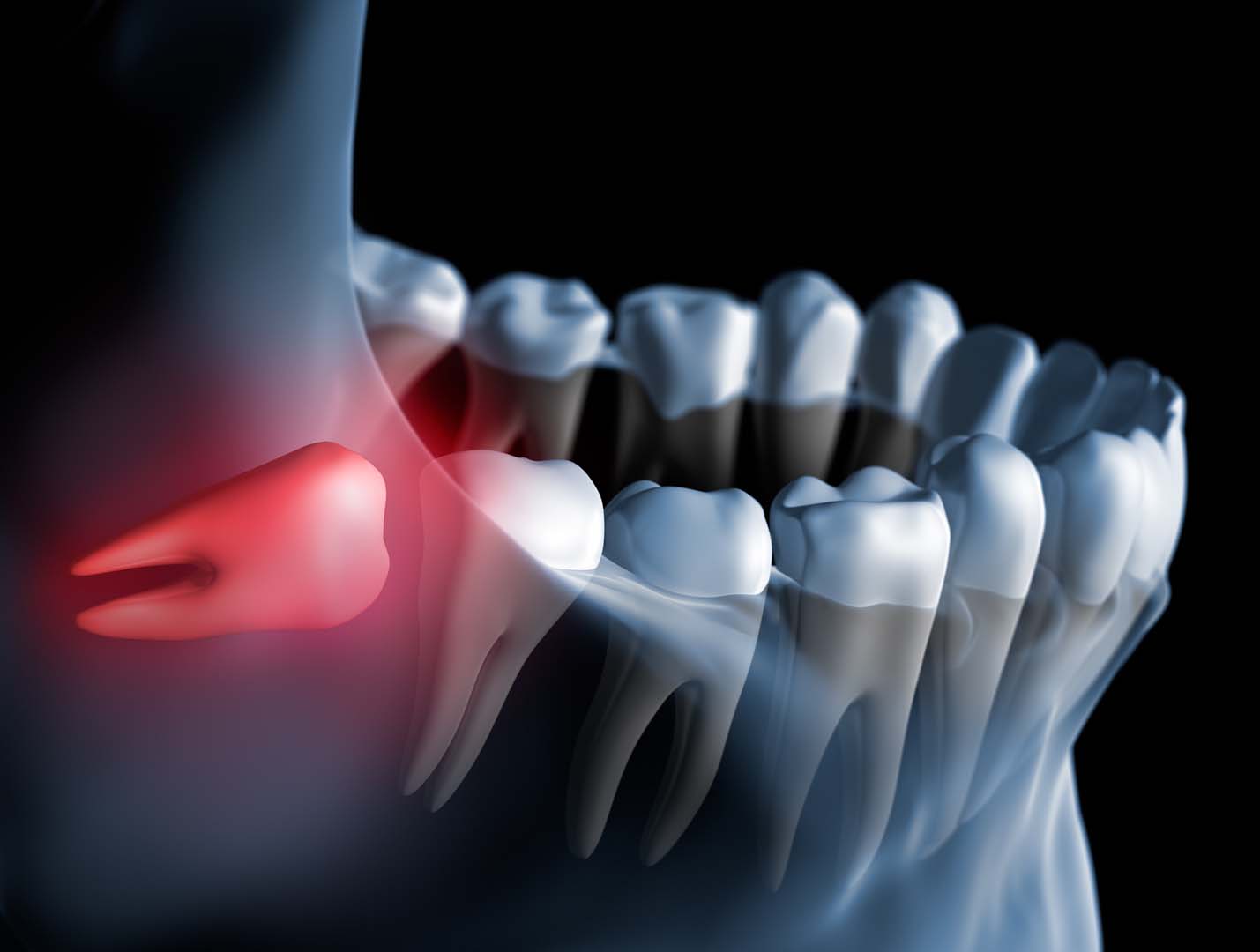
Understanding the Wisdom Tooth Extraction Recovery Timeline
Healing after wisdom tooth removal happens in stages. Although the initial discomfort usually improves within a few days, the extraction site needs more time to heal completely.
The First 24 Hours After Extraction
The first day is important for protecting the blood clot that forms in the empty tooth socket. This clot helps prevent excessive bleeding and protects the underlying bone and nerves during the early stages of healing.
You may experience mild bleeding, swelling, discomfort, and difficulty opening your mouth fully. Your dentist may recommend biting gently on gauze, resting, and applying an ice pack to the outside of your cheek in short intervals.
Avoid vigorous rinsing, spitting, drinking through a straw, or smoking, as these activities may disturb the blood clot and increase the risk of complications.
Days 2 and 3: Swelling and Discomfort
Swelling often becomes more noticeable during the second or third day after extraction. Your cheeks may feel tender, and chewing or talking may be slightly uncomfortable. This is generally a normal part of the body’s healing response.
Soft foods such as mashed potatoes, yogurt, scrambled eggs, soups that are not too hot, and smoothies consumed without a straw can help make eating more comfortable. Continue taking prescribed or recommended medication according to your dentist’s instructions.
What Happens During the First Week of Recovery?
For many patients, the first week brings noticeable improvements. Pain gradually decreases, swelling begins to settle, and everyday activities become easier.
Days 4 to 7: Gradual Improvement
By the fourth day, most people start feeling better. Bruising may appear around the jaw or cheek, but it usually fades naturally. The mouth may still feel stiff, especially if the wisdom tooth was impacted or required surgical removal.
Maintain gentle oral hygiene by brushing carefully around the extraction site. If your dentist recommends saltwater rinses, use them gently to keep the area clean without disturbing healing tissues.
Most patients can return to work, school, and light activities within a few days, depending on how they feel and the type of extraction performed.
When Can You Return to Normal Eating?
Your diet should gradually return to normal as tenderness improves. Start with soft foods and introduce firmer options when chewing becomes comfortable.
Avoid crunchy snacks, hard nuts, seeds, sticky foods, and anything that may become trapped in the socket during the early recovery period. Listen to your body rather than rushing back to your usual meals.
How Long Does Complete Healing Take?
While the visible discomfort often improves within a week, complete healing takes longer than many people expect.
Gum Healing and Bone Recovery
The gum tissue generally takes a few weeks to close and heal significantly. However, the underlying bone continues remodeling for several months. This is a normal biological process and does not usually mean you need to avoid regular activities throughout that period.
If your wisdom tooth was deeply impacted, positioned close to a nerve, or removed through a surgical procedure, your recovery may take longer.
Factors That Affect Recovery Time
Several factors influence how quickly you heal, including:
- Whether the extraction was simple or surgical
- The position and condition of the wisdom tooth
- Your age and general health
- Smoking or vaping habits
- Oral hygiene practices
- Following your dentist’s aftercare instructions
Patients who protect the extraction site, maintain proper hygiene, and avoid smoking often experience a smoother recovery.
Signs Your Wisdom Tooth Extraction Is Not Healing Properly
Although mild pain and swelling are expected, certain symptoms may indicate a complication that needs professional attention.
Contact your dentist if you experience:
- Severe pain that worsens after initially improving
- Persistent or excessive bleeding
- Fever or increasing swelling
- A foul taste or unpleasant smell from the extraction site
- Difficulty swallowing or opening your mouth that becomes worse
One possible complication is dry socket, which occurs when the blood clot is lost or dissolves too early, exposing the underlying tissues. It can cause significant pain, often developing a few days after extraction. Prompt dental care can help relieve symptoms and support healing.
Tips for a Faster and More Comfortable Recovery
Following a few simple precautions can make the healing process easier:
- Rest during the first 24 hours and avoid strenuous exercise.
- Apply cold compresses to reduce swelling.
- Eat soft, nutritious foods and stay hydrated.
- Avoid smoking, vaping, and alcohol during early recovery.
- Keep your mouth clean with gentle brushing and recommended rinsing.
- Follow your dentist’s instructions and attend follow-up appointments if advised.
Conclusion
Wisdom tooth extraction recovery usually takes around three to seven days for the most noticeable discomfort to improve, although complete gum healing may take several weeks and bone healing continues for months. Every patient heals differently, so patience and proper aftercare are essential. By following your dentist’s advice, maintaining oral hygiene, and recognizing warning signs early, you can make your recovery more comfortable and reduce the risk of complications.