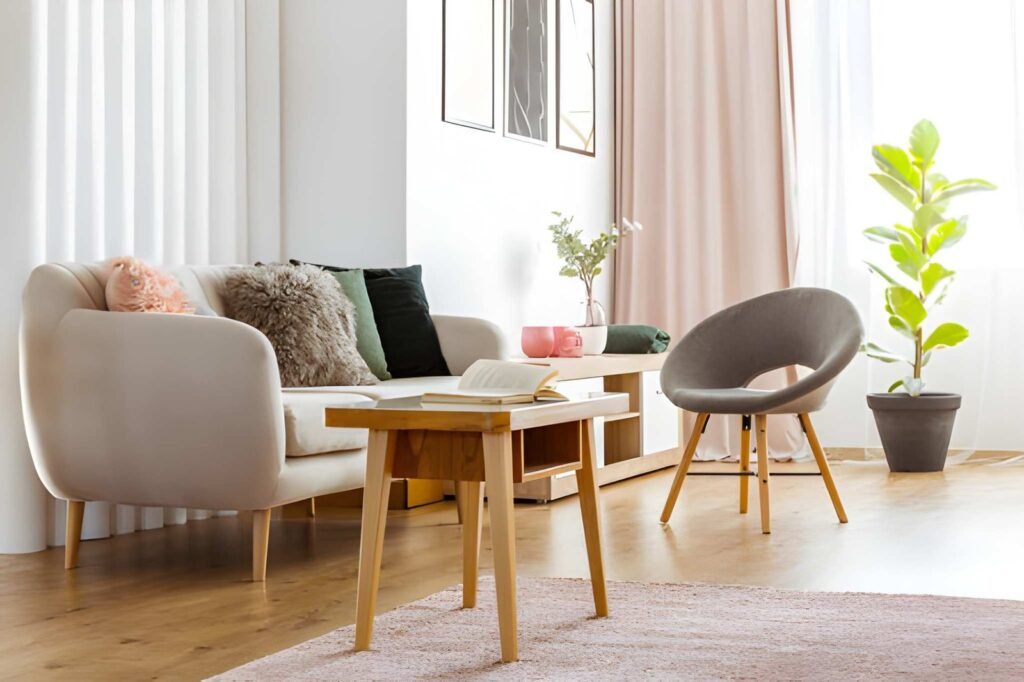
home furniture in Karachi
Karachi has never been a city that whispers. It hums with traffic, sea air, late-night chai and the restless energy of people building lives. So it’s no surprise that the homes inside it have become something else entirely: small sanctuaries, deliberately calm, deliberately personal.
Over the past few years, the way Karachi its think about furniture has shifted. A sofa or a bed is no longer a purchase made in a weekend rush before a wedding or a move. It has become a considered decision about how a home should feel. That shift is the most interesting story in home furniture in Karachi right now, and it’s the one we want to explore here.
From Filling Rooms to Shaping Them
For a long time, furnishing a home in Karachi followed a familiar script. You bought a matching set, placed each piece against a wall, and measured success by how full the room looked. Abundance was the aesthetic.
Today’s homeowners are asking different questions. Does this room let me breathe? Will this piece still feel right in ten years? Does it suit the way my family actually lives? The result is a quieter, more intentional approach: fewer pieces, better made, placed with purpose.
This is especially true in the bedroom, which has quietly become the most important room in the house. It’s where the day ends and begins, and it’s increasingly treated as a retreat rather than just a place to sleep. A well-proportioned bed with a considered headboard, a pair of bedside tables that actually fit, a wardrobe that disappears into the wall: these details add up to a feeling of order that carries into the rest of life.
The Karachi Factor: Furniture That Understands the City
Furniture here has to be practical in ways that catalogue photography rarely admits. Karachi’s coastal humidity is hard on poorly finished wood. Apartments, a growing share of the city’s housing, demand clever use of limited square footage. Joint families need pieces that can handle daily wear without looking tired within a year.
This is where local understanding matters. A brand rooted in Karachi knows these realities. It knows that a finish must withstand salty, humid air, that proportions need to suit the rooms people really live in, and that storage isn’t a luxury but a necessity. Furniture designed with this city in mind simply lives better in it.
What Premium Really Means
“Premium” is one of the most overused words in retail, so it’s worth being precise. In furniture, it isn’t about ornaments or price tags. It shows up in the things you notice slowly:
Construction. Solid joinery, stable frames and well-chosen materials are what separate a piece that lasts from one that loosens, creaks and fades.
Finish. A good finish feels even and smooth to the touch, and it holds its character as the years pass.
Proportion. Great furniture looks effortless because someone is obsessed over the dimensions. A headboard that’s too tall or a dresser that’s too deep can quietly ruin a room.
Restraint. The most elegant pieces rarely shout. Clean lines, soft textures and muted tones let the room, and the people in it, take centre stage.
These are the qualities that define the thoughtful side of the Karachi furniture market, and they’re the principles that guide JF Homes, a brand devoted to the art of the bedroom.
Designing a Bedroom That Feels Like Yours
If you’re furnishing a room in the coming months, a few ideas are worth carrying with you.
Start with the bed. It is the anchor of the room. Choose its size and style first, then let everything else respond to it.
Think in layers. Soft lighting, textured bedding and a restrained colour palette create warmth without clutter. Two or three tones used well will always outperform a busy mix.
Respect negative space. An empty corner is not wasted space. It’s what makes the furniture around it look intentional.
Plan for storage early. The most beautiful bedrooms hide their practicality. Built-in or well-designed wardrobes and under-bed storage keep surfaces clear and the mind clearer.
Buy for the long term. Trends shift quickly, but timeless silhouettes in natural, neutral finishes will outlast any passing fashion.
A Fresh Way to Look at It
Here is the perspective we’d like you to take away: furniture is not decoration. It is the infrastructure for daily life. The bed you sleep in shapes your rest. The wardrobe you open each morning shapes your routine. The room you return to each night shapes your mood.
Seen this way, spending thoughtfully on furniture isn’t indulgence. It’s one of the most practical investments a household can make, one that pays back every single day.
Frequently Asked Questions
How do I choose the right bedroom furniture for a small Karachi apartment?
Begin with measurements, then choose multi-purpose pieces: a bed with built-in storage, slim bedside tables and a wardrobe that uses vertical space. Keep colours light and lines clean so the room feels open rather than crowded.
What type of furniture finish works best in Karachi’s humid climate?
Look for well-sealed, durable finishes applied to quality wood or engineered materials that resist moisture. Proper sealing helps prevent swelling, warping and fading, which are common problems in coastal conditions.
Why is bedroom furniture worth investing in more than other rooms?
Because you spend a third of your life in that room. Comfort, storage and calm all begin there, and well-made pieces improve rest and daily routines while lasting far longer than cheaper alternatives.
How can I tell if furniture is genuinely well made?
Check the stability by gently pressing on the frame, inspect drawers for smooth, even movement, and look closely at edges and joints for clean, precise finishing. Good furniture feels solid and consistent in every detail.
What styles will stay relevant in Karachi homes through 2027?
Clean, timeless silhouettes in warm neutrals and natural textures. Understated design tends to age gracefully, so pieces chosen today will still look right as trends shift.