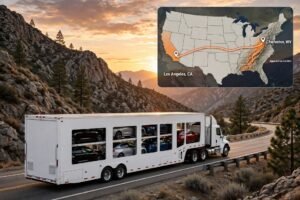
Moving across the United States can be an exciting milestone, whether you’re accepting a new job, heading to college, relocating closer to family, or starting life in a different state. But when your vehicle needs to make the journey too, you have another decision to make: should you drive it yourself or arrange professional transportation? Choosing to ship a car can help simplify a long-distance move by allowing you to focus on your relocation while a carrier handles the vehicle’s journey.
Rapid Auto Shipping is one company to consider when researching nationwide vehicle transportation options. With a little advance planning, you can compare services, prepare your automobile, and organize pickup and delivery without adding unnecessary pressure to moving day.
Your Moving Plan Doesn’t Have to Include Thousands of Miles Behind the Wheel
Driving across America may sound appealing, but the practical side of a long road trip deserves attention. Fuel, accommodation, meals, tolls, and additional mileage can add up, especially when the destination is several states away.
You also need to account for time away from work, family responsibilities, weather conditions, and unexpected vehicle problems. If you’re already coordinating household movers or arranging a new home, managing a lengthy drive may make the transition more demanding.
Professional vehicle shipping offers another route. Your car travels on a transport carrier while you make your own travel arrangements. This can be useful for people purchasing vehicles remotely, families moving between states, military personnel receiving relocation orders, and individuals moving seasonally.
Before deciding, compare the total cost of driving with the shipping quote. The right choice depends on your budget, available time, destination, and personal preferences.
Start With Three Details: Route, Vehicle, and Schedule
Before requesting estimates, establish the basic details of your shipment. These three elements help transportation providers understand what you need and prepare a relevant quote.
- Your route: Identify the pickup and delivery ZIP codes. Shipping between major cities may offer different carrier availability from a journey involving rural or difficult-to-access locations.
- Your vehicle: Provide the year, make, model, approximate dimensions, and operating condition. An oversized SUV, modified sports car, or non-running vehicle may require different arrangements from a standard sedan.
- Your schedule: Decide when you’d prefer the car collected and when you expect it to arrive. If your dates are flexible, mention that when requesting quotes.
When researching Rapid Auto Shipping, share accurate information and ask for the expected pickup window, estimated transit time, and any location-specific requirements. Clear details at the beginning can reduce misunderstandings later.
Choosing a Carrier: Look Beyond the First Price You See
Not every shipping quote represents the same service. A low initial estimate may look attractive, but the details behind the price matter just as much.
Start by comparing written quotes for the same route, vehicle, and transportation method. Ask whether the quoted amount includes all applicable charges, how payment works, and whether additional fees may apply.
You should also investigate the carrier arrangements. Find out who will physically transport the vehicle, what insurance coverage applies, and how the company handles delivery updates or damage claims.
Look for clear communication and written service terms rather than relying on verbal assurances alone. Check relevant customer reviews and verify the carrier’s credentials where applicable.
Rapid Auto Shipping can be part of your research when comparing nationwide car shipping providers. Confirm current availability, pricing, and service conditions directly before making a reservation.
Open Trailer or Covered Carrier: Which Fits Your Plans?
Your vehicle and budget will help determine the appropriate transportation method.
- Open carrier shipping
Cars travel on an open trailer and are exposed to normal outdoor conditions. This is a common option for everyday vehicles and may suit customers looking for a practical transportation arrangement.
- Enclosed vehicle shipping
The vehicle travels inside a covered trailer, providing additional protection from weather and road debris. Owners of luxury, classic, collectible, or specialty vehicles may prefer this option, which generally costs more.
Neither method is automatically best for every shipment. Consider the vehicle’s value, your protection preferences, and the difference in price. Ask about loading procedures and equipment if your car has low ground clearance or special modifications.
Make Your Vehicle Ready Before Pickup Day
A smooth handover begins with a few simple preparations. Rather than rushing through everything when the carrier arrives, set aside time beforehand.
- Clean the exterior: A clean vehicle makes existing dents, scratches, and paint marks easier to document.
- Take photographs: Capture the front, rear, sides, wheels, and any areas with existing damage.
- Remove personal belongings: Many carriers restrict items inside the car, and personal possessions may not be covered by carrier insurance.
- Check basic condition: If the car runs, check the tires, battery, and visible fluid leaks.
- Leave limited fuel: Approximately one-quarter of a tank is often sufficient unless the carrier gives different instructions.
- Disclose special requirements: Tell the provider if the car is inoperable, modified, or difficult to load.
- Keep the keys and paperwork accessible: You’ll need to complete the handover and review the inspection record.
At pickup, carefully examine the vehicle condition report and retain a copy. These records can be useful if a concern arises after delivery.
Delivery Day: Keep Your Plans Flexible
Vehicle transportation involves coordinating routes, traffic conditions, weather, and multiple delivery stops. For this reason, an estimated arrival time should not always be treated as a guaranteed appointment.
Confirm the delivery location in advance. Large carriers may not be able to enter narrow streets, gated neighborhoods, or areas with limited overhead clearance. If necessary, arrange to meet the driver at a nearby accessible location.
Keep your phone available during the delivery window and allow some flexibility in your schedule. If you’re flying to your new state, avoid planning essential appointments immediately after the expected vehicle arrival.
When the car arrives, inspect it in good lighting. Compare its condition with your original photographs and pickup report. Document any concerns and notify the carrier promptly according to the applicable claims process.
The Small Decisions That Make a Big Difference
When you ship a car across America, success often comes down to preparation rather than complicated logistics. Accurate vehicle details, a realistic timeline, a suitable carrier, and clear documentation can help keep the process organized.
Rapid Auto Shipping is one provider you can investigate when comparing vehicle transportation services for an interstate move. Before booking, review the quote, carrier arrangements, insurance terms, and delivery expectations so you understand what the service includes.
With those details settled, you can devote more attention to your new home, your family, or the next chapter of your life instead of worrying about the drive.
Frequently Asked Questions
- How long does it take to ship a car across America?
Transit time depends on the distance, route, weather, traffic, carrier schedule, and pickup arrangements. Request an estimated delivery window for your specific locations.
- What is the cheapest way to ship a car?
Pricing varies by route, vehicle size, season, and service type. Compare written quotes and ask about flexible pickup dates, included services, and possible additional fees.
- Should I book car shipping in advance?
Booking as early as practical gives you more time to compare providers and coordinate your move. Carrier availability and pricing can change with demand.
- Can I ship a car that does not run?
Some carriers accept inoperable vehicles, but specialized equipment may be necessary. Explain whether the car starts, rolls, steers, and brakes before requesting a quote.
- Is my vehicle insured during transportation?
Coverage depends on the carrier’s policy and terms. Ask for documentation covering limits, exclusions, deductibles, and the process for reporting damage.