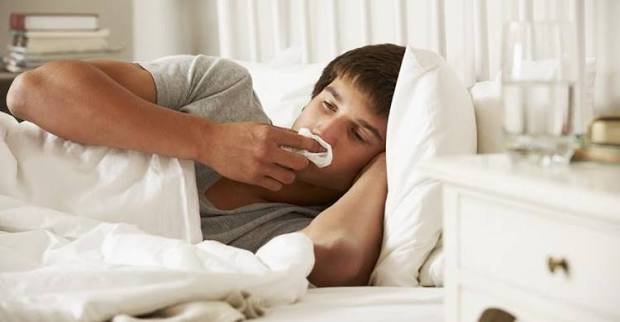
Pneumonia is a respiratory infection that causes inflammation in the air sacs of one or both lungs. It can affect people of different ages and may range from a mild illness to a serious condition requiring hospital care. Recognizing symptoms early, obtaining an accurate diagnosis, and following an appropriate treatment plan are important steps toward recovery. Understanding Pneumonia in dubai can help individuals learn about the condition, recognize warning signs, and understand when medical attention is necessary.
Under the care of Dr Barbara, patients can seek medical guidance regarding respiratory symptoms, diagnostic assessment, and suitable treatment options. A structured approach to pneumonia management focuses on addressing the underlying cause, monitoring symptoms, supporting breathing, and reducing the risk of complications.
Understanding Pneumonia and Its Causes
Pneumonia develops when an infection affects the lung tissue, causing inflammation and sometimes fluid or pus to accumulate within the air sacs. This can interfere with the normal exchange of oxygen and carbon dioxide, leading to symptoms such as coughing, fever, breathlessness, and fatigue.
The condition may be caused by bacteria, viruses, and, less commonly, fungi. The appropriate treatment depends on the likely cause, the severity of the illness, and the patient’s medical history. Pneumonia can also develop after certain respiratory infections, particularly in individuals whose immune systems or general health make them more vulnerable.
Early assessment helps healthcare professionals distinguish pneumonia from other respiratory conditions that can produce similar symptoms.
Recognizing Common Pneumonia Symptoms
Pneumonia symptoms can develop suddenly or gradually over several days. Their intensity varies depending on the infection and the person’s overall health.
Common symptoms include a persistent cough, fever, chills, chest discomfort, shortness of breath, and unusual tiredness. Some individuals may produce mucus when coughing, while others experience a dry cough. Older adults may develop confusion, weakness, or a decline in everyday functioning without having a prominent fever.
Anyone experiencing worsening breathing difficulties, persistent high fever, or significant chest pain should seek prompt medical assessment. Severe breathlessness, blue or grey lips, new confusion, or reduced responsiveness require emergency medical attention.
Diagnosis and Medical Assessment
Accurate diagnosis is an important part of effective pneumonia management. During an assessment, the healthcare professional may ask about the duration of symptoms, recent illnesses, existing medical conditions, medications, and possible exposure to respiratory infections.
A physical examination may include listening to the lungs for abnormal breathing sounds and measuring temperature, heart rate, respiratory rate, and oxygen saturation. Depending on the findings, a chest X-ray, blood tests, or respiratory samples may be recommended.
Not every patient requires every investigation. Testing is guided by symptom severity, clinical findings, and the possibility of complications. The results help determine the most appropriate treatment and whether care at home or in a hospital is necessary.
Pneumonia Treatment in Dubai: Individualized Care
Pneumonia Treatment in dubai depends on the underlying cause and the severity of the infection. Bacterial pneumonia is generally treated with appropriate antibiotics, while antibiotics do not treat viral infections themselves. Some viral infections may require specific antiviral medication when indicated.
Patients should take prescribed medication according to professional instructions and complete an antibiotic course as directed. They should not use leftover antibiotics or take medication prescribed for another person.
For more severe cases, hospital treatment may be necessary. This can include oxygen therapy, intravenous fluids, medication, and closer monitoring of respiratory function. Treatment decisions are individualized to address the patient’s condition and reduce the likelihood of complications.
Supporting Recovery at Home
Many people with mild pneumonia can recover at home when a healthcare professional determines that outpatient care is appropriate. Rest, adequate fluid intake, and following the recommended treatment plan can help support recovery.
Patients should allow sufficient time for rest and gradually return to normal activities as their energy improves. Eating balanced meals may help maintain nutritional intake during illness. Smoking and exposure to second-hand smoke should be avoided because they can irritate the respiratory tract.
Cough and fatigue may continue after the infection begins to improve. Recovery does not always happen at the same pace for every patient. If symptoms worsen, new symptoms develop, or improvement does not occur as expected, a medical reassessment may be needed.
Preventing Pneumonia and Reducing Risks
Although not every case of pneumonia can be prevented, several measures can reduce the risk of respiratory infections and severe illness.
Hand hygiene, appropriate respiratory etiquette, avoiding close contact with people who are acutely ill, and maintaining a smoke-free environment can support respiratory health. Recommended vaccinations, including influenza, pneumococcal, and other relevant vaccines, may help reduce the risk of particular infections according to age, medical history, and local guidance.
People with chronic lung disease, heart conditions, diabetes, weakened immunity, or other significant medical concerns may require additional preventive advice. Regular medical care can help identify individual risk factors and determine which preventive measures are appropriate.
The Importance of Follow-Up Care
Follow-up care helps assess whether pneumonia is resolving as expected and whether additional evaluation is necessary. A healthcare professional may review breathing, fever, cough, energy levels, and any continuing symptoms.
Some patients improve within days of starting appropriate treatment, although complete recovery can take several weeks or longer. Older adults and people with underlying health conditions may need additional time and closer monitoring.
A follow-up assessment may be particularly important when symptoms persist, complications are suspected, or the patient has risk factors for a more difficult recovery. Any new or worsening breathing difficulty should be assessed urgently rather than waiting for a scheduled appointment.
Frequently Asked Questions
How long does pneumonia recovery take?
Recovery varies depending on the cause, severity, age, and general health of the patient. Some symptoms improve within days, while cough and fatigue may continue for several weeks.
Can pneumonia be treated at home?
Mild cases may be managed at home under medical guidance. Severe symptoms, low oxygen levels, significant dehydration, or other complications may require hospital treatment.
Are antibiotics always necessary for pneumonia?
No. Antibiotics are used for bacterial pneumonia but do not treat viral infections directly. Treatment should be based on clinical assessment and the suspected cause.
When should someone seek urgent medical care?
Severe breathlessness, blue or grey lips, new confusion, reduced responsiveness, or severe chest pain require emergency assessment. Worsening symptoms should also prompt timely medical review.
How can pneumonia be prevented?
Hand hygiene, appropriate vaccinations, avoiding smoking, and managing underlying medical conditions can help reduce the risk of pneumonia or severe respiratory illness.
Conclusion
Pneumonia requires timely recognition, appropriate medical assessment, and treatment based on its cause and severity. A steady recovery involves following professional advice, allowing adequate time for rest, monitoring symptoms, and attending follow-up appointments when recommended.
Dr Barbara can help patients understand pneumonia symptoms, diagnostic considerations, and available treatment approaches. With appropriate care and attention to warning signs, patients can work toward recovery while reducing the risk of avoidable complications.