Halloween has a way of sneaking up fast, and if you’re in the embroidery business, or just love stitching seasonal pieces, having a solid game plan makes all the difference between scrambling in October and cruising through the busiest weeks with ease. This guide covers everything you need to know about Halloween Embroidery, from what’s trending this year to practical tips and the designs you really shouldn’t skip.
Whether you’re running a small embroidery shop, selling at craft fairs, or stitching custom pieces for friends and family, this breakdown should help you plan smarter and stitch cleaner all season long.
What’s Trending This Year
Halloween aesthetics shift a little every season, and staying on top of current trends helps designs feel fresh instead of recycled from years past. A few themes standing out this year include:
Muted, vintage color palettes. Instead of bright orange and black, many designs are leaning into softer rust tones, dusty purples, and warm creams for a more retro, autumn-inspired look.
Minimalist line art. Simple, single-line style designs, like a basic outlined cat or pumpkin, are trending for customers who want something subtle rather than bold and busy.
Mixed holiday crossovers. Designs blending Halloween with general fall themes, think pumpkins next to falling leaves, are popular with customers who want something wearable slightly before and after the holiday itself.
Personalized elements. Adding names, initials, or small custom text alongside classic Halloween imagery continues to be a strong seller, especially for family or kids’ apparel.
Keeping an eye on these shifts helps businesses decide where to focus new design development instead of guessing what customers might want.
Practical Tips for Better Halloween Stitching
Good Halloween Embroidery Designs don’t just happen by accident. A few practical habits make a real difference in the final product:
- Match stitch density to fabric weight. Lightweight cotton tees need lighter density than thick fleece hoodies, or you risk puckering.
- Test before bulk production. Always stitch a sample on your actual fabric type before committing to a full order run.
- Simplify where needed. Highly detailed designs can look cluttered at smaller sizes, so scaling down complexity often improves the final result.
- Plan color changes strategically. Fewer unnecessary thread changes mean faster production without sacrificing visual impact.
- Use proper stabilizers. Stretchy or lightweight fabrics almost always need extra stabilizing to prevent shifting during stitching.
These small adjustments add up, especially when producing designs at volume during the busiest part of the season.
Why Quality Digitizing Makes or Breaks Seasonal Designs
Even a beautifully drawn Halloween design can fall apart on fabric if the underlying file isn’t properly prepared. This is where embroidery digitizing plays such a critical role. A skilled digitizer accounts for stitch direction, density, and underlay settings specific to each design element, whether that’s a delicate spiderweb or a bold, blocky “Happy Halloween” text piece.
Poorly digitized files tend to show their flaws exactly where it matters most: puckered fabric around dense areas, thread breaks on intricate shapes, or muddy color blending where fine details get lost. Investing in proper digitizing upfront prevents these issues before they ever reach a customer’s hands.
Must-Have Designs for Any Halloween Collection
While trends shift, a few design categories remain essential for any well-rounded Halloween lineup:
- The classic jack-o’-lantern. Simple, recognizable, and versatile across nearly any product type.
- A friendly ghost design. Works well for kids’ apparel and softer, cuter product lines.
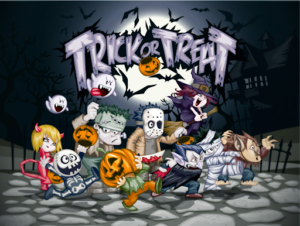
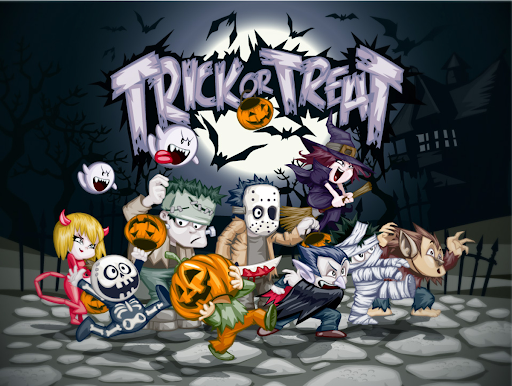
- Bold typography pieces. Phrases like “Trick or Treat” or “Spooky Season” remain reliable sellers year after year.
- A detailed statement design. Something like a haunted house scene or witch silhouette for customers wanting a bigger, bolder piece.
- A minimalist option. A simple outlined bat or cat for customers who prefer subtle, understated seasonal pieces.
Covering this range ensures your Halloween Embroidery Designs collection appeals to a wide variety of customer preferences, rather than leaning too heavily into one specific style.
Building a Season That Runs Smoothly
Preparation is really what separates a smooth Halloween season from a stressful one. Reviewing your existing design library early, testing new pieces ahead of time, and confirming turnaround times with your digitizing provider all help avoid last-minute scrambling once orders start picking up. Teams like AMZ Digitize that specialize in seasonal digitizing work can also help businesses expand their design catalog quickly without sacrificing stitch quality.
Final Thoughts
A strong season of Halloween Embroidery comes down to a mix of good design choices, practical stitching knowledge, and reliable digitizing behind the scenes. Staying aware of current trends, applying a few key production tips, and keeping a well-rounded set of must-have designs on hand sets any embroidery business up for a smoother, more profitable Halloween season.
Frequently Asked Questions
- What are the biggest Halloween embroidery trends this year?
This year’s trends lean toward muted, vintage color palettes, minimalist line-art designs, and fall-Halloween crossover themes that blend pumpkins with autumn leaves. Personalized elements, like adding a name or initials, also continue to grow in popularity. Staying aware of these shifts helps businesses keep their seasonal offerings feeling current rather than repetitive.
- How do I prevent puckering on dense Halloween designs?
Puckering usually happens when stitch density doesn’t match the fabric weight, or when underlay stitching is skipped or applied incorrectly. Using proper stabilizers and testing on your actual fabric before bulk production are the most effective ways to catch this issue early. Adjusting density specifically for heavier or lighter materials also makes a significant difference.
- What Halloween designs sell best for embroidery businesses?
Classic, versatile designs like jack-o’-lanterns, friendly ghosts, and bold typography pieces tend to perform consistently well across different customer types. Having a mix of cute, spooky, and minimalist options helps appeal to a broader audience. Detailed statement pieces also sell well for customers looking for something bolder or more unique.
- Why does digitizing quality matter so much for seasonal designs?
Halloween designs often include fine details like cobwebs, small text, or shading that require careful stitch planning to avoid looking messy on fabric. Poor digitizing can lead to thread breaks, puckered fabric, or blurred details, especially on intricate pieces. Quality digitizing ensures these designs stitch out clean and consistent, even at higher order volumes.