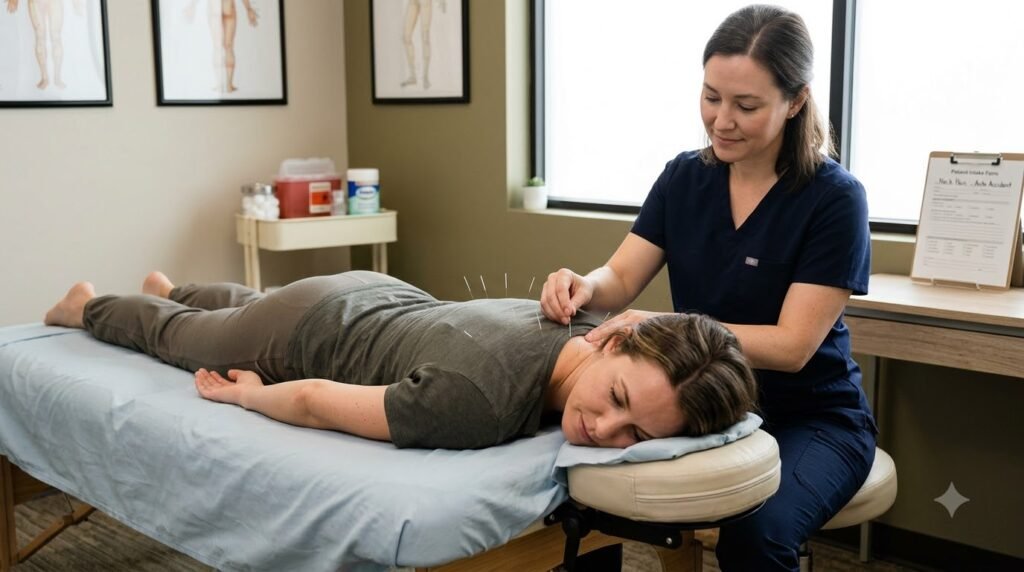
The moments after a car accident are disorienting. Even when injuries appear minor at the scene, the days that follow often tell a different story. Stiffness sets in, pain intensifies, and symptoms that weren’t obvious immediately — headaches, sleep disruption, anxiety, nerve sensitivity — begin to emerge. The body has been through a significant trauma, and recovery rarely happens as quickly or as smoothly as people expect.
If you’re dealing with pain or functional limitations following a collision, exploring acupuncture after car accident treatment with a qualified practitioner may offer meaningful relief that conventional approaches alone don’t fully provide. This article explains how acupuncture addresses accident-related injuries, what the recovery process looks like, and what to consider when choosing care.
Why Car Accident Injuries Are Often More Complex Than They First Appear
Car accidents subject the body to forces it was never designed to absorb. Even at relatively low speeds, the sudden deceleration or impact can strain muscles, compress joints, overstretch ligaments, and send shockwaves through the nervous system. The spine — particularly the cervical region — is especially vulnerable.
What makes accident injuries particularly complicated is the delay in symptom onset. Adrenaline released during and immediately after a collision acts as a natural painkiller, masking pain that only becomes apparent hours or days later. This is why people often report feeling fine at the accident scene and then waking up the next morning barely able to move.
Soft tissue injuries — those involving muscles, tendons, and ligaments rather than bones — don’t show up on X-rays. This means they are frequently underdiagnosed and undertreated in standard emergency evaluations, leaving patients managing ongoing pain without a clear recovery pathway.
The Most Common Injuries Acupuncture Addresses After a Collision
Whiplash and Cervical Strain
Whiplash is the most frequently reported injury following rear-end collisions. It occurs when the neck is suddenly thrown forward and backward — or sideways — beyond its normal range of motion. The result is strained or torn soft tissue in the cervical spine, often accompanied by:
- Neck pain and stiffness
- Headaches originating at the base of the skull
- Shoulder and upper back tension
- Dizziness or visual disturbances
- Difficulty concentrating
Acupuncture after car accident injuries like whiplash works by reducing inflammation in the affected tissue, releasing muscle spasm, improving local circulation, and modulating the pain signals traveling through the nervous system. Many patients notice meaningful improvement in neck mobility and pain levels within several sessions.
Lower Back and Lumbar Injuries
The lower back absorbs considerable force in a collision, particularly in front-impact accidents. Lumbar muscle strain, facet joint irritation, and disc compression are all common outcomes. Chronic low back pain following an accident is one of the most disabling and persistent post-collision complaints.
Acupuncture targets the specific muscles and structures involved, reduces nerve irritation, and supports the natural healing process in damaged tissue. For lumbar injuries, treatment is often combined with recommendations around posture, movement, and activity modification.
Headaches and Migraines
Post-traumatic headaches are extremely common after car accidents and are often linked to cervical muscle tension, nerve compression, or mild traumatic brain injury. They can persist for weeks or months if the underlying tension patterns aren’t addressed.
Acupuncture is one of the better-supported non-pharmacological treatments for chronic headache. By releasing tension in the muscles of the neck, scalp, and shoulders, and by influencing the neurological pathways involved in headache generation, it can significantly reduce both the frequency and severity of post-accident headaches.
Nerve Pain and Radiating Symptoms
When spinal structures are compressed or irritated following a collision, nerve pain can radiate down the arms or legs — a condition often described as radiculopathy. The burning, tingling, or shooting pain that accompanies nerve compression is particularly difficult to treat with medications alone.
Acupuncture’s ability to reduce inflammation along nerve pathways and modulate the nervous system’s pain response makes it a valuable component of nerve pain management after an accident.
How Acupuncture Works on Trauma-Related Pain
Understanding why acupuncture helps requires a brief look at what happens in the body after a physical trauma.
When tissue is damaged, the body initiates an inflammatory response — a necessary and protective process, but one that becomes problematic when it persists beyond the acute phase. Chronic inflammation leads to ongoing pain, restricted movement, and scar tissue formation that can limit function long after the initial injury.
Acupuncture influences this process at several levels:
Local tissue effects. Needle insertion at the site of injury or along affected pathways triggers a micro-healing response — increasing local circulation, promoting the clearance of inflammatory byproducts, and stimulating tissue repair.
Nervous system modulation. Acupuncture activates inhibitory pain pathways in the spinal cord and brain, reducing the amplification of pain signals that often occurs after trauma. This is particularly relevant in post-accident care, where central sensitization — a state where the nervous system becomes hypersensitive — is a significant contributor to ongoing pain.
Muscle release. Trigger points — tight, hypersensitive knots within muscle tissue — are almost universally present after accident-related injuries. Dry needling, a technique closely related to acupuncture, directly targets these points to release spasm and restore normal muscle function.
Acupuncture and the Emotional Impact of Accidents
Physical pain isn’t the only consequence of a car accident. Many people experience psychological effects that are just as disabling — anxiety about driving again, hypervigilance, intrusive memories of the accident, and disrupted sleep. In some cases, these symptoms meet the criteria for post-traumatic stress disorder (PTSD).
Acupuncture’s regulatory effect on the autonomic nervous system makes it relevant here too. By shifting the body from a state of sympathetic dominance — the fight-or-flight response — toward parasympathetic activity, it helps reduce the physiological arousal that underlies anxiety and trauma responses. Many accident patients report that acupuncture sessions are among the first times they feel genuinely calm since the collision.
This doesn’t replace psychological support when that is needed. But it addresses the somatic — bodily — dimension of trauma that talk therapy alone may not fully reach.
When Should You Start Acupuncture After an Accident?
Earlier is generally better. Beginning treatment within the first two to four weeks following an accident allows acupuncture to intervene during the acute inflammatory phase, potentially preventing the development of chronic pain patterns.
Waiting months before seeking treatment means that muscle compensation patterns, scar tissue, and nervous system sensitization have had time to become established — making recovery more complex and time-consuming.
If you’ve already waited and are dealing with chronic post-accident pain, acupuncture is still worth pursuing. Chronic conditions simply require longer treatment timelines and consistent commitment.
What a Typical Treatment Course Looks Like
Your first appointment will involve a detailed intake covering the accident itself, your current symptoms, prior injuries, overall health history, and any imaging or medical reports you have. The more information your practitioner has, the more targeted your treatment will be.
Initial sessions for acute injuries typically occur two to three times per week. As symptoms improve, frequency is reduced — moving to weekly sessions, then bi-weekly, then as-needed maintenance.
Most patients with moderate whiplash or soft tissue injuries notice significant improvement within six to ten sessions. More complex cases involving nerve involvement or chronic pain patterns may require longer courses of care.
Acupuncture and Insurance Coverage After an Accident
In many states, acupuncture is covered under personal injury protection (PIP) insurance or medical payment coverage as part of an auto insurance claim. This is an important practical consideration that many accident patients don’t realize.
If you were not at fault, acupuncture costs may also be recoverable through a third-party liability claim. Keep thorough records of all treatment, costs, and clinical notes — these will be relevant if your case involves legal or insurance proceedings.
Contact your insurance provider directly to clarify what is covered under your specific policy, and ask your acupuncturist whether they have experience working with auto accident claims.
Choosing the Right Practitioner for Accident Recovery
Not all acupuncturists have experience with trauma-related injuries. When evaluating practitioners for post-accident care, look for:
- Experience treating musculoskeletal and neurological injuries
- Familiarity with whiplash, soft tissue trauma, and radiculopathy
- Ability to coordinate with other providers — chiropractors, physical therapists, orthopedic specialists
- Experience working within insurance or legal claim frameworks if applicable
- Clear communication about expected timelines and treatment goals
Avoid practitioners who cannot explain their treatment rationale clearly or who promise complete pain elimination without assessing your specific case.
Frequently Asked Questions
How soon after a car accident can I start acupuncture?
In most cases, you can begin acupuncture within days of the accident, provided there are no acute medical emergencies requiring immediate conventional care. Early intervention during the inflammatory phase is generally more effective than waiting.
Can acupuncture help if my accident was months ago?
Yes. Chronic post-accident pain responds to acupuncture, though treatment timelines are typically longer. The goal shifts from preventing chronicity to reversing established pain and compensation patterns.
Will acupuncture completely eliminate my pain?
Results vary depending on the severity of the injury, how long symptoms have been present, and individual healing capacity. Many patients achieve significant pain reduction and improved function. Complete elimination of all symptoms is possible in some cases but cannot be guaranteed.
Is acupuncture covered by my auto insurance?
Coverage depends on your specific policy and state regulations. PIP and medical payment coverage often include acupuncture. Contact your insurer directly, and ask your practitioner about their experience billing auto insurance claims.
Do I need a referral to see an acupuncturist after a car accident?
In most cases, no. Acupuncturists are primary contact practitioners in most states, meaning you can book directly without a physician referral. However, it is always advisable to have your injuries evaluated medically before beginning any treatment.
Recovery Takes a Team
Acupuncture after car accident injuries works best as part of a coordinated recovery approach. Most practitioners experienced in post-accident care will work alongside chiropractors, physical therapists, and medical doctors to provide the most complete recovery pathway possible.
The goal isn’t to replace any one modality — it’s to address the dimensions of injury that each modality handles best. Acupuncture’s particular strengths in soft tissue repair, pain modulation, and nervous system regulation make it a genuinely valuable part of that team.