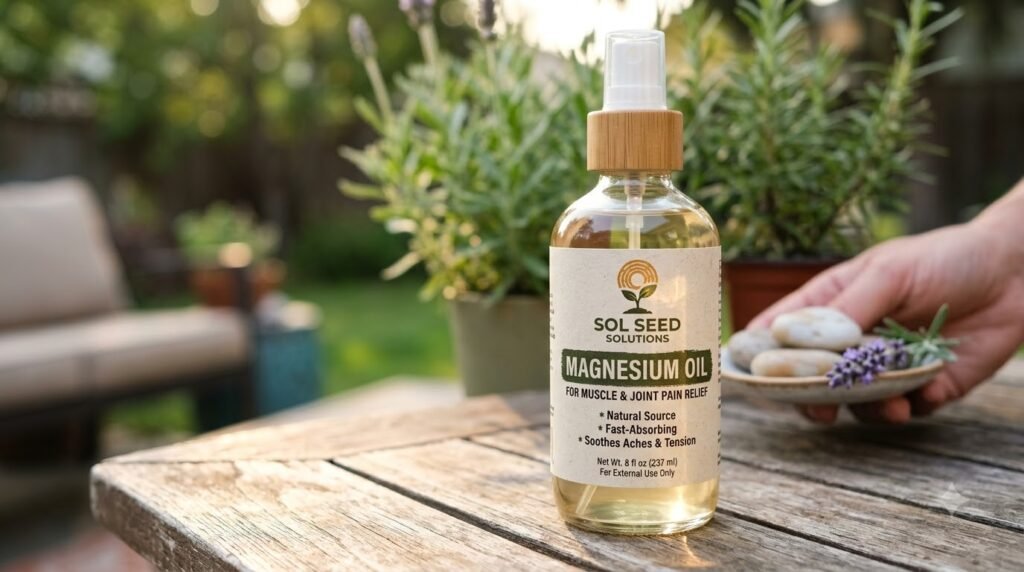
Sore calves after a long run, tight upper back from desk work, or a stubborn hamstring knot—these are the moments people reach for a quick, topical fix. Magnesium “oil” (actually a concentrated magnesium chloride brine that feels oily) is a popular option. Some users report less cramping and tension; others complain about stinging or no noticeable change. So what’s real, what’s hype, and how do you use it effectively?
If your skin is sensitive or you prefer richer textures, you may find a balm or cream easier to tolerate than a spray. You can explore topical magnesium oil for muscle pain in balm format to minimize tingling, lock in moisture, and target specific areas without drip or mess.
Does topical magnesium actually ease sore muscles?
Short answer: It may help some people, especially for mild, activity-related soreness, but it isn’t a guaranteed cure. Topical magnesium can support normal muscle function and ease feelings of tightness, particularly when paired with proven recovery strategies like rest, hydration, and gentle mobility work.
What the science says (in plain language)
- Magnesium is essential for muscle contraction and relaxation. Low levels are associated with cramps and fatigue.
- Evidence for transdermal (through-the-skin) magnesium is promising but mixed. Small trials and observational reports suggest skin application can raise magnesium levels and reduce perceived muscle tension, but large, high-quality studies are limited.
- Practical takeaway: Treat it as a supportive tool, not a standalone solution. If you’re chronically cramping, ask your clinician about assessing dietary intake or blood levels.
Who might benefit—and who should skip it
You may be a good candidate if you:
- Get delayed-onset muscle soreness (DOMS) after workouts
- Experience tightness in the neck, shoulders, or calves from posture or overuse
- Want a non-menthol, non-heating option to pair with stretching or massage
- Have sensitive stomach or prefer not to add another pill
Use caution or avoid if you:
- Have kidney disease or are on dialysis (risk of magnesium buildup—talk to your doctor)
- Have heart block or myasthenia gravis (magnesium can affect neuromuscular function)
- Have broken, irritated, or freshly shaved skin where you plan to apply
- Are pregnant or nursing (topical use appears low risk but discuss with your provider)
- Are taking magnesium-containing laxatives, antacids, or high-dose supplements—avoid stacking without guidance
How to choose a quality topical magnesium product
The label and texture matter. Here’s what to look for:
Oil vs. balm vs. lotion: texture and comfort
- Oil/spray: Fast to apply, dries down quickly, can feel tacky and may tingle. Good for large areas (quads, hamstrings, back).
- Balm: Less drip, less sting, and more occlusive (locks in moisture). Ideal for targeted areas (calves, forearms) and sensitive skin.
- Lotion/cream: Balanced feel with hydrators like aloe or shea. Usually gentler than straight oil.
Concentration and purity
- Magnesium chloride is the common form for “oil.” Look for clear disclosure of concentration (e.g., mg of magnesium per tsp or per mL).
- Sourcing: Some brands reference well-known brines (e.g., Zechstein). Purity claims are useful, but third-party testing or transparent sourcing builds more trust.
Additives and skin comfort
- Sensitive skin tends to prefer balms or creams with soothing oils (tallow, shea, coconut), aloe, or glycerin.
- Fragrance-free or naturally scented options can reduce irritation risk.
Packaging and practicality
- Pumps or sprays are convenient for large areas; tins or sticks excel at portability and precise application.
- If you’ve experienced stinging in the past, choose a balm first.
How to use magnesium oil for muscle pain step-by-step
Start low, go slow, and be consistent for 1–2 weeks before judging results.
- Patch test
- Apply a pea-sized amount to the inner forearm or calf.
- Wait 24 hours to check for redness or irritation.
- Warm up the area
- A warm shower, heating pad (10–15 minutes), or a few mobility drills increase blood flow and may improve comfort during application.
- Apply to targeted muscles
- For sprays: 5–10 sprays per large muscle group (thighs, glutes, back); 2–4 for smaller areas (calves, forearms).
- For balms: Start with a pea-to-dime-sized amount per area. Massage in for 30–60 seconds.
- Timing
- Post-workout and evening use are popular. Many people find bedtime application helpful for nighttime tightness or restless legs sensations.
- Let it sit
- Allow it to absorb for 15–20 minutes. If tackiness or itch persists, rinse and reapply a smaller amount next time or layer with a neutral moisturizer.
- Frequency
- 1–2 times daily on active days for 1–2 weeks; then adjust based on response. Consistency matters more than high single doses.
- Layering
- Oil first, then balm or lotion if you need extra comfort or if skin feels tight after the spray.
Application areas that make sense
- Calves, hamstrings, quads, glutes, lower back, traps/neck, forearms.
- Avoid open cuts, freshly shaved areas, face, and mucous membranes.
Reduce stinging and skin irritation
Tingling is common with high-concentration sprays. You can minimize it:
- Use a balm or cream base instead of straight oil—occlusion reduces sting.
- Apply after a shower when skin is warm and slightly damp (not immediately after shaving).
- Start with smaller amounts and build up.
- Rinse after 15–20 minutes if prickling persists, then moisturize.
- Don’t layer with acid exfoliants or retinoids on the same area.
If irritation continues, discontinue and try a lower concentration or a different texture.
Safety, side effects, and interactions
Topical use is generally well-tolerated. Potential issues include:
- Local skin irritation, itch, or redness
- Temporary stickiness or salt-like residue
- Rarely, systemic effects if used excessively alongside high oral magnesium, especially with kidney impairment
If you develop rash, swelling, or worsening symptoms, stop using and seek advice. For persistent or severe muscle pain—especially with weakness, swelling, fever, or unexplained bruising—get medical evaluation.
Compare your options: oil, balm, Epsom bath, or oral
Different situations call for different tools:
- Spray oil
- Pros: Quick coverage, portable.
- Cons: Can sting; may feel tacky.
- Best for: Large areas after workouts.
- Balm
- Pros: Less drip, gentler feel, targeted application.
- Cons: Slightly slower to cover large regions.
- Best for: Sensitive skin or specific hotspots.
- Epsom salt bath (magnesium sulfate)
- Pros: Relaxing full-body approach; heat and buoyancy ease tension.
- Cons: Requires tub/time; concentration varies by soak.
- Best for: Whole-body soreness and wind-down routines.
- Oral magnesium
- Pros: Addresses dietary insufficiency; forms like glycinate are gentle on the gut.
- Cons: GI upset at high doses; check medication interactions.
- Best for: Confirmed low intake or systemic needs (discuss with a clinician).
If straight spray stings but you still want the benefits of magnesium oil for muscle pain, a balm format offers a good middle ground.
Build a smarter recovery plan around magnesium
Magnesium shines when it’s one piece of a well-rounded routine:
- Hydration and electrolytes: Fluids plus sodium/potassium support normal muscle function.
- Protein: 20–40 g within a few hours post-exercise helps repair.
- Mobility: 5–10 minutes of gentle stretching, foam rolling, or dynamic drills keeps tissues gliding.
- Heat/cold: Warmth before mobility; brief cold exposure for acute inflammation.
- Sleep: 7–9 hours improves adaptation and soreness perception.
- Progression: Increase training volume gradually (no more than 5–10% weekly) to limit DOMS.
If you already use menthol or capsaicin rubs, you can alternate them with magnesium products on different sessions or apply at different times of day to avoid overwhelming the skin.
What to expect and when to seek advice
- First uses: You may feel a mild tingle. Some people notice a sense of relaxation within 20–60 minutes; others need several days of consistent use.
- 1–2 weeks: Evaluate whether soreness windows shorten, nighttime cramping eases, or post-workout tightness feels more manageable.
- If there’s no change after 2 weeks: Reassess dose, timing, and technique; consider switching texture (oil to balm); or talk with a clinician about nutrition, training load, biomechanics, or underlying conditions.
Seek medical care promptly if pain is severe, radiating, or associated with numbness, fever, unexplained swelling, calf warmth/redness (possible clot), or weakness.
FAQs
Can topical magnesium replace oral supplements?
Not necessarily. Topical products are great for targeted comfort, but they don’t always correct a dietary shortfall. If you suspect low intake or take medications that affect magnesium status, ask your clinician about bloodwork and appropriate oral forms/doses.
How fast does it work?
Some users report relief within an hour, especially for mild tightness. For recurring soreness or nighttime cramps, be consistent for 1–2 weeks before judging.
Where should I apply it for best results?
Apply to the muscles that feel tight or worked: calves, thighs, glutes, back, or neck/shoulders. Massage for 30–60 seconds. Avoid broken or freshly shaved skin.
Will it interfere with other topicals?
You can use it alongside moisturizers. If you use strong actives (retinoids, acids), avoid layering on the exact same spot to reduce irritation risk. If you use menthol/capsaicin gels, alternate timing or apply to different areas.
Is it safe during pregnancy?
Topical exposure is generally considered low risk, but personal health varies. Always consult your prenatal provider before starting new supplements or topicals.
What if it stings too much?
Try a balm or cream format, reduce the amount, apply over slightly damp skin, or rinse after 15–20 minutes and moisturize. Persistent irritation is a sign to switch products or stop.
Key takeaways
- Magnesium supports healthy muscle relaxation, and topical forms can be a helpful add-on for mild soreness.
- Texture matters: balms and creams often sting less than sprays and are great for targeted areas.
- For lasting results, pair topical use with sleep, hydration, protein, mobility, and smart training progressions.
- If symptoms persist or are severe, get professional guidance.
Used thoughtfully, magnesium oil for muscle pain can be part of a practical, low-risk routine to keep you moving—and more comfortable—day to day.