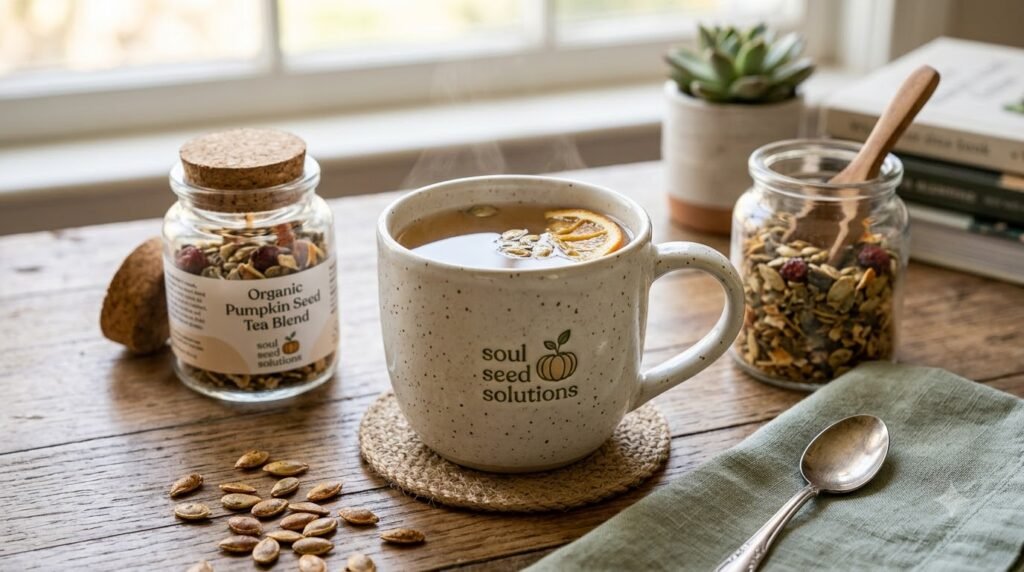
Pumpkin seeds have long been recognised as a nutritional powerhouse — rich in zinc, magnesium, healthy fats, and antioxidants. Most people eat them roasted as a snack or scatter them over salads. But preparing them as a tea is a different approach entirely, one that extracts specific compounds into a drinkable form and delivers them in a way the body can absorb quickly and easily. If you’ve heard about pumpkin seed tea and want to understand what it actually offers, this article gives you a clear and honest picture.
Interest in seed-based teas has grown alongside the broader movement toward functional beverages — drinks consumed not just for hydration or flavour, but for specific wellness purposes. cold-pressed pumpkin seed tea represents a more considered approach to this category, preserving the integrity of the seed’s active compounds through careful processing rather than high-heat methods that can degrade nutritional content. Understanding what you’re drinking, why it works, and how to prepare it properly makes a meaningful difference to the experience and the outcome.
What Makes Pumpkin Seeds Worth Drinking as a Tea?
Before looking at the tea itself, it helps to understand why pumpkin seeds attract so much attention nutritionally.
Pumpkin seeds — botanically known as pepitas when hulled — are one of the most nutrient-dense seeds available. They contain:
- Zinc — critical for immune function, wound healing, and hormone regulation
- Magnesium — involved in over 300 enzymatic processes, including muscle relaxation and sleep regulation
- Cucurbitin — an amino acid unique to pumpkin seeds, studied for its role in bladder and prostate health
- Phytosterols — plant compounds that support healthy cholesterol levels
- Tryptophan — a precursor to serotonin and melatonin, relevant to mood and sleep
- Antioxidants — including vitamin E and carotenoids that help manage oxidative stress
When prepared as a tea, some of these compounds — particularly the water-soluble ones — are extracted into the liquid and become readily available for absorption. The result is a gentle, nourishing drink with a mild, nutty flavour that suits daily use.
The Primary Reasons People Drink Pumpkin Seed Tea
Bladder and Urinary Tract Support
This is probably the most well-documented traditional use. Pumpkin seed extracts have been studied for their role in supporting bladder control and reducing the frequency of urge incontinence, particularly in women. The cucurbitin content is thought to play a role in supporting the muscles of the urinary tract and pelvic floor.
Men dealing with benign prostatic hyperplasia (BPH) — enlargement of the prostate gland — have also used pumpkin seed preparations as a complementary support. Several European countries have included pumpkin seed extract in approved treatments for lower urinary tract symptoms related to BPH.
Sleep and Relaxation
Tryptophan, found in meaningful amounts in pumpkin seeds, is a precursor to both serotonin and melatonin. Drinking pumpkin seed tea in the evening is something many people incorporate into a wind-down routine, finding that the combination of tryptophan, magnesium, and the simple ritual of a warm drink supports more restful sleep.
This isn’t pharmaceutical sleep medication — the effect is gentle and cumulative rather than immediate and sedative. But for people whose sleep is disrupted by tension, racing thoughts, or general difficulty switching off, it can be a useful addition to an evening routine.
Hormonal Balance and Zinc Support
Zinc plays a central role in testosterone production, thyroid function, and reproductive health for both men and women. Many people are mildly zinc deficient without realising it, particularly those eating plant-heavy diets or with digestive absorption challenges. Pumpkin seed tea offers a gentle, food-based way to support zinc intake alongside dietary sources.
Immune and Antioxidant Support
The antioxidants in pumpkin seeds — including vitamin E, carotenoids, and various phenolic compounds — contribute to the body’s defence against oxidative stress. Regular consumption of antioxidant-rich foods and beverages is associated with better long-term immune resilience, reduced inflammation, and protection of cellular structures.
Cold-Pressed vs. Standard Pumpkin Seed Tea: Does Processing Method Matter?
Yes, significantly. This is a detail worth understanding before purchasing any seed-based tea.
Standard preparation methods for seed teas often involve high heat at some stage — either in the initial processing of the seeds or in commercial manufacturing. Heat above certain thresholds degrades heat-sensitive compounds, including some antioxidants, certain vitamins, and delicate fatty acids.
Cold-pressed processing preserves the nutritional integrity of the seed by avoiding excessive heat throughout. The active compounds remain more intact, which means the tea you drink contains a more complete representation of what the seed naturally provides.
For a product specifically chosen for its health-supporting properties, this distinction matters. A cold-pressed pumpkin seed tea is a more nutritionally honest product than one that has been heat-processed and then marketed on the back of the seed’s reputation.
How to Prepare Pumpkin Seed Tea
Preparation varies depending on whether you’re using a loose preparation, a cold-pressed product, or working from whole seeds. Here are the most practical approaches.
Using a Cold-Pressed or Pre-Prepared Tea Product
Follow the specific instructions for the product you have. Cold-pressed tea preparations are often designed to be dissolved or steeped in warm — not boiling — water to protect the active compounds. Using water that’s too hot can undermine the benefit of the cold-pressed processing.
Preparing From Whole or Ground Seeds
- Lightly grind raw, hulled pumpkin seeds — a tablespoon is a reasonable starting amount
- Bring water to approximately 80°C rather than a rolling boil
- Steep the ground seeds in the warm water for 10–15 minutes, stirring occasionally
- Strain through a fine mesh sieve or cheesecloth
- Drink warm, optionally with a small amount of honey or cinnamon
The resulting liquid has a mild, slightly earthy, nutty flavour that most people find pleasant and easy to drink.
Timing and Frequency
- For urinary and bladder support — morning and early afternoon, before fluid intake tends to be reduced for the evening
- For sleep support — 30–60 minutes before bed
- For general nutritional support — once daily at any time that fits your routine
Consistency is more important than timing perfection. Daily use over several weeks provides a much clearer picture of benefit than occasional cups.
What to Expect and How Long It Takes
Pumpkin seed tea is not a fast-acting remedy. It’s a gentle, food-based support that works cumulatively. Setting realistic expectations matters.
Most people who drink it for bladder support notice changes over two to six weeks of consistent use. Sleep-related benefits — particularly around the tryptophan and magnesium content — can sometimes be felt sooner, often within the first week, particularly when combined with a consistent evening routine.
If you’re expecting dramatic change overnight, you’ll likely be disappointed. If you approach it as a nourishing daily ritual with genuine nutritional underpinning, you’re more likely to give it the time it needs to make a difference.
Pairing Pumpkin Seed Tea With Other Wellness Practices
Pumpkin seed tea works well alongside other supportive habits rather than in isolation.
For bladder health, pairing it with pelvic floor exercises, adequate hydration throughout the day, and reduced caffeine intake addresses the issue from multiple angles. For sleep, combining it with consistent sleep and wake times, a dark sleeping environment, and reduced screen exposure in the hour before bed gives the tryptophan and magnesium content a supportive environment in which to work.
For general nutritional support, it sits naturally alongside other mineral-rich teas, a whole food diet, and attention to gut health, which influences how well nutrients are absorbed from all sources.
Are There Any Considerations or Cautions?
Pumpkin seed tea is generally very well tolerated. It’s a food-based preparation, not a pharmaceutical, and adverse reactions are uncommon. A few things worth noting:
Nut and seed allergies. If you have known seed allergies, particularly to pumpkin or related plants in the Cucurbitaceae family, exercise caution and consult a healthcare professional before use.
Medication interactions. If you are taking medication for blood pressure, diabetes, or prostate conditions, speak to your doctor before using pumpkin seed preparations regularly, as there may be interactions worth considering.
Pregnancy. Pumpkin seeds are generally considered safe in food amounts during pregnancy, but concentrated preparations should be discussed with a midwife or doctor.
Existing urinary conditions. If you have a diagnosed urinary tract infection or other active urinary condition, pumpkin seed tea is not a substitute for appropriate medical care.
Frequently Asked Questions
Does pumpkin seed tea taste pleasant?
Most people find it mild and slightly nutty with an earthy undertone. It’s much less bitter than many herbal teas and is generally easy to drink without sweetener.
Can men and women both benefit from pumpkin seed tea?
Yes. While some of the research focuses on prostate health in men and bladder control in women, the nutritional benefits — zinc, magnesium, antioxidants, tryptophan — are relevant across the board.
How much pumpkin seed tea should I drink per day?
One to two cups daily is a reasonable starting point for most people. Follow any specific guidance provided with the product you’re using.
Can I drink pumpkin seed tea if I’m already taking a zinc supplement?
Yes, but be mindful of total zinc intake. Excessive zinc supplementation can interfere with copper absorption. If you’re taking high-dose zinc supplements, check with a healthcare professional about combining sources.
Is cold-pressed pumpkin seed tea significantly better than a regular seed infusion?
The cold-pressed method better preserves heat-sensitive nutrients and active compounds. For general nourishment, a standard preparation is still useful. For maximising the specific beneficial compounds in the seed, cold-pressed processing makes a meaningful difference.
Can children drink pumpkin seed tea?
In small, diluted amounts it’s generally well tolerated, but consult a healthcare professional before giving any functional tea preparation to young children regularly.
Pumpkin seed tea is a quietly powerful addition to a daily wellness routine — not a dramatic intervention, but a consistent, nourishing practice with genuine nutritional logic behind it. Choose a quality preparation, drink it regularly, and pair it with the lifestyle factors relevant to your specific goals.