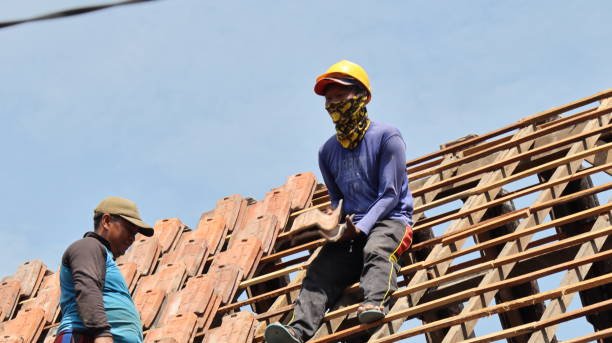
Roofing Contractors
Roofing Contractors – A roof rarely announces its own decline. It wears down in silence until a trained eye catches the clues. Homeowners walk past warning signs every day and miss what those signs mean. Trained crews read a roof the way a doctor reads an X-ray. They spot trouble long before a flood soaks the living room carpet. This blog digs into the methods experts use to judge a roof’s true condition and the moment replacement becomes the smart call.
What Do Contractors Look For During An Inspection?
A proper inspection starts at ground level and climbs upward from there. Crews scan the roof line hunting for dips or waves that betray structural sag. They check flashing around chimneys and vents for gaps or creeping rust. Shingle edges get a close look for curling or brittle cracks that flake apart under a light touch. Attic checks carry just as much weight as the outside walk. Beams reveal water stains long before a ceiling ever drips. A trained eye catches these clues within minutes while an untrained homeowner might overlook them for years.
How Does Shingle Condition Reveal A Roof’s Age?
Shingles tell their story through texture and hue. Fresh shingles lie flat and grip their granule coating tight. Aging shingles shed granules and bare the asphalt layer underneath. Once that layer sits exposed under harsh sun the material dries out fast. Cracks fan across the surface like a parched riverbed. Crews often drag a palm across a section to test for brittleness. A shingle that snaps instead of bends has already crossed into failure territory.
Why Does Water Damage Signal More Than A Simple Leak?
Water rarely stays put where it enters. It follows the path of least resistance and often surfaces far from the original breach. A stain on a bedroom ceiling might trace back to a crack near the chimney clear across the house. Contractors trace these paths using moisture meters and thermal cameras. Wood swells and darkens as it soaks up water over time. Left unchecked this pattern breeds mold and weakens the frame beneath the surface. Spotting the true source separates a lasting fix from a band aid patch.
Can Granule Loss In Gutters Predict Roof Failure?
Gutters hold clues most homeowners toss aside without a glance. Granules from asphalt shingles wash into gutters as a roof ages. A light dusting counts as normal during the first few years. Heavy piles of granules signal a roof shedding its protective skin at speed. Trusted Roofing Contractors London homeowners call often check gutter debris as one of the earliest steps in any inspection. This simple habit reveals a roof’s true age faster than a glance from the street ever could.
How Do Contractors Judge Structural Integrity?
Structural checks reach beyond the surface. Crews test the roof deck by walking sections and feeling for soft spots underfoot. A springy or spongy patch beneath the boot often means rot has spread beneath the shingles. Rafters and trusses get a visual sweep for cracks or bowing. Nail pops and loose fasteners hint at movement inside the frame over time. A roof that flunks these deeper checks needs more than a patch job. It needs a full teardown and rebuild before the frame buckles entirely.
What Role Does Roof Age Play In The Final Decision?
Age alone rarely seals the outcome yet it shapes the conversation. A fifteen year old roof with minor wear might earn a repair recommendation. That same wear on a thirty year old roof tips the scale toward full replacement instead. Materials degrade at different rates depending on climate and installation quality. Seasoned Roofing Contractors London residents hire cross reference the roof’s age against its current condition before handing down a final verdict. This blend of factors paints a sharper picture than age or condition could ever offer alone.
Why Do Contractors Use Technology During Assessments?
Modern tools sharpen the accuracy of every inspection. Drones capture footage of steep or hazardous roof sections without putting a worker in harm’s way. Infrared cameras detect trapped moisture invisible to the naked eye. Moisture meters pull exact readings from inside wood and insulation. These tools strip guesswork from the equation. A contractor armed with hard data delivers a verdict rooted in fact rather than a hunch formed on a quick glance from a ladder.
How Do Contractors Explain Their Findings To Homeowners?
Clear communication separates a trustworthy contractor from a pushy salesperson. Good crews walk homeowners through photos and readings gathered during the inspection. They point toward specific trouble spots rather than lobbing vague claims about general wear. They break down the gap between a cosmetic flaw and a structural threat using plain language. Skilled Roofing Contractors London teams often hand over written reports alongside verbal explanations so homeowners can mull findings at their own pace before committing to any decision.
Final Thoughts On Trusting The Experts
A roof hides its damage well until a professional eye catches the pattern. Contractors blend visual inspection with hands on testing and modern technology to land on an accurate verdict. They study shingles gutters attics and structural frames before recommending repair or replacement. Homeowners who welcome regular inspections dodge nasty surprises during storm season. Placing trust in experts who read these signs early protects both the home and the wallet for years down the road.
Frequently Asked Questions
How often should a homeowner schedule a roof inspection?
Most experts suggest one inspection each year plus a check after any major storm rolls through the area.
Can a contractor tell roof condition from ground level alone?
A ground level glance offers a rough hunch but a full inspection demands a closer look at the attic and roof surface itself.
What tools do contractors use beyond a simple ladder?
Many crews lean on drones infrared cameras and moisture meters to gather accurate readings during a thorough inspection.
Does a roof always need full replacement after storm damage?
Not always. Minor storm damage often allows for a targeted repair while severe damage across large sections usually points toward full replacement.
How long does a standard roof inspection typically take?
A standard inspection usually spans thirty minutes to two hours depending on roof size and the complexity of the structure.