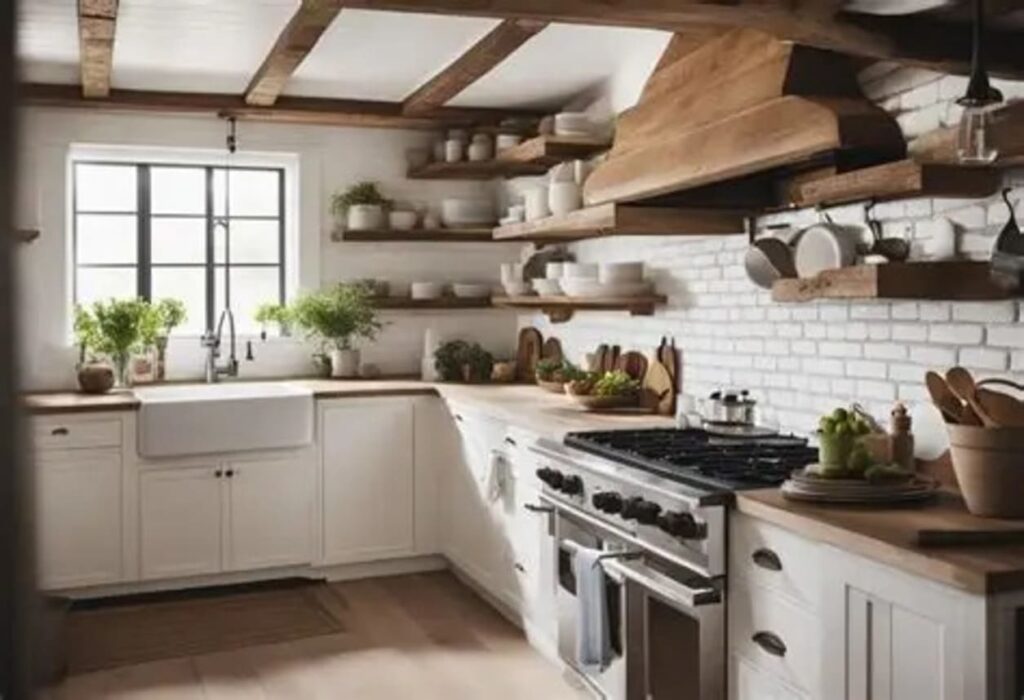
A cozy farmhouse interior is known for its warmth, simplicity, and timeless appeal. While furniture, color palettes, and decorative accents often receive the most attention, wall texture plays an equally important role in creating an authentic farmhouse atmosphere. The right wall texture adds depth, character, and a handcrafted appearance that perfectly complements rustic décor and natural materials.
Whether you’re building a new home or renovating an existing space, selecting the ideal wall texture can transform plain walls into beautiful design features. Gstarboard explores the most popular wall textures for farmhouse interiors and offers practical tips to help you choose the perfect finish.
Why Wall Texture Matters
Wall texture is more than just a decorative element. It influences how light interacts with a room, affects the visual size of a space, and contributes to the overall ambiance. In farmhouse design, textured walls create a welcoming environment by introducing subtle imperfections that feel natural rather than manufactured. Unlike perfectly smooth walls, textured finishes provide visual interest while highlighting the rustic charm that defines farmhouse interiors. Benefits of textured walls include:-
- Enhanced visual depth
-
- Better concealment of minor wall imperfections
-
- Added warmth and character
-
- Greater compatibility with natural materials like wood and stone
-
- Timeless appeal that never feels outdated
Characteristics of Farmhouse Wall Textures
Farmhouse walls are generally inspired by traditional country homes where materials were handcrafted and practical. Instead of glossy or highly polished finishes, farmhouse interiors favor textures that appear soft, weathered, and authentic. Some defining characteristics include:-
- Matte finishes
-
- Soft, irregular textures
-
- Natural-looking surfaces
-
- Neutral color compatibility
-
- Rustic yet elegant appearance
Popular Wall Texture Options
1. Smooth Matte Finish
Although technically not heavily textured, a smooth matte finish remains one of the most popular farmhouse choices. Its non-reflective surface creates a calm atmosphere while allowing architectural details, exposed beams, and vintage furniture to become the focal points. Smooth matte walls pair beautifully with:-
- White shiplap
-
- Wooden shelving
-
- Antique décor
-
- Linen fabrics
-
- Natural stone fireplaces
2. Light Orange Peel Texture
Orange peel texture features tiny raised bumps resembling the surface of an orange peel. Unlike heavier textures, this finish provides subtle depth without overpowering the room. It also hides small wall imperfections while maintaining a clean appearance. Light orange peel works well in:-
- Living rooms
-
- Hallways
-
- Bedrooms
-
- Home offices
3. Skip Trowel Texture
Skip trowel is one of the most attractive choices for rustic homes. Applied by hand using a trowel, this finish creates irregular patterns that resemble aged plaster. Each wall has a unique appearance, reinforcing the handcrafted quality associated with farmhouse design. Advantages include:-
- Artistic appearance
-
- Excellent depth
-
- Soft rustic character
-
- Compatible with neutral paint colors
4. Venetian Plaster
For homeowners seeking a more refined farmhouse aesthetic, Venetian plaster offers exceptional elegance. This finish creates subtle movement and depth while maintaining a natural appearance. Depending on the application, it can resemble limestone or polished stone. Venetian plaster is particularly effective in:-
- Dining rooms
-
- Entryways
-
- Accent walls
-
- Master bedrooms
5. Limewash Walls
Limewash has become increasingly popular in modern farmhouse interiors. Unlike ordinary paint, limewash creates soft variations in tone that give walls an aged, weathered appearance. The result feels organic and timeless. Popular limewash colors include:-
- Warm white
-
- Beige
-
- Soft taupe
-
- Light gray
-
- Muted sage
Combining Texture with Farmhouse Materials
The best farmhouse interiors combine textured walls with natural building materials. Consider pairing your walls with:Reclaimed Wood
Weathered wood beams, floating shelves, or barn doors enhance textured surfaces while adding authentic rustic charm.Natural Stone
Stone fireplaces or accent walls provide visual balance against softer wall textures.Brick Accents
Exposed brick complements farmhouse textures by introducing additional warmth and historical character.Woven Textiles
Linen curtains, cotton throws, and woven baskets soften textured walls and complete the cozy atmosphere.Choosing Colors for Textured Walls
Color selection is just as important as texture. Farmhouse interiors typically feature neutral shades that maximize natural light and create a relaxing environment. Popular choices include:-
- Warm white
-
- Cream
-
- Greige
-
- Light taupe
-
- Soft gray
-
- Sand
-
- Sage green
-
- Dusty blue
Room-by-Room Recommendations
Living Room
Choose skip trowel or light orange peel textures to create warmth while complementing wood furniture and fireplaces.Kitchen
Smooth matte walls combined with subway tile backsplashes create a clean yet rustic atmosphere.Bedroom
Limewash or Venetian plaster provides a peaceful backdrop that encourages relaxation.Entryway
A slightly heavier texture creates a welcoming first impression while resisting visible wear.Dining Room
Textured plaster paired with vintage lighting creates an elegant farmhouse dining experience.Maintenance Tips
One concern homeowners often have is whether textured walls require additional maintenance. Fortunately, most farmhouse textures are relatively easy to care for. Helpful maintenance practices include:-
- Dust walls occasionally using a microfiber cloth.
-
- Clean stains gently with a damp sponge.
-
- Touch up damaged areas promptly.
-
- Use high-quality paint for longer-lasting finishes.
-
- Avoid harsh abrasive cleaners.
Common Mistakes to Avoid
When selecting wall textures, avoid these common errors:-
- Choosing textures that are too heavy for small rooms.
-
- Using glossy paint over rustic finishes.
-
- Mixing too many texture styles within one space.
-
- Ignoring lighting conditions before selecting texture.
-
- Pairing farmhouse textures with overly modern materials that clash visually.