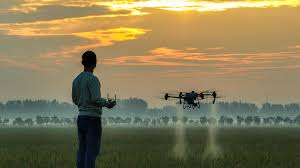
Farming has always been an important part of human life because it provides the food we eat every day. Over time, farming methods have changed a lot. In the past, farmers depended only on manual labor and basic tools. Today, modern technology is helping farmers grow crops more efficiently and manage their land more effectively.
One of the most important modern innovations in agriculture is agricultural drone services. These services use flying drones equipped with cameras, sensors, and smart technology to help farmers monitor crops, analyze soil conditions, and improve productivity.
Agricultural drone services are becoming more popular because they save time, reduce costs, and provide accurate information about farmland. Instead of walking through large fields or guessing crop conditions, farmers can now get real-time data from above.
This article provides a complete guide to agricultural drone services and explains how they benefit farmers in simple and practical ways.
Understanding Agricultural Drone Services in Modern Farming
Before understanding the benefits, it is important to know what agricultural drone services actually are and how they work in farming environments.
What Are Agricultural Drone Services?
Agricultural drone services refer to the use of drones for farming-related tasks. These drones are operated remotely and are equipped with advanced tools that help collect useful agricultural data.
They are commonly used for:
- Crop monitoring
- Field mapping
- Soil analysis
- Pest detection
- Irrigation planning
- Yield estimation
These services help farmers make better decisions by providing detailed information about their land and crops.
How Agricultural Drones Work
Agricultural drones fly over farmland and capture images and data using built-in sensors and cameras. This information is then processed and analyzed to provide useful insights.
The process usually includes:
- Flying over fields in a planned pattern
- Capturing high-resolution images
- Collecting data using sensors
- Analyzing crop health and soil conditions
- Providing reports to farmers
This allows farmers to understand their farm conditions without physically inspecting every area.
Why Technology Is Important in Farming Today
Modern farming faces many challenges such as:
- Climate change
- Limited water resources
- Increasing demand for food
- Need for higher productivity
Agricultural drone services help farmers overcome these challenges by improving efficiency and reducing guesswork.
Growth of Drone Use in Agriculture
In recent years, more farmers have started using drone technology because it:
- Saves time
- Improves accuracy
- Reduces labor costs
- Helps detect problems early
As a result, agricultural drone services are becoming an important part of smart farming.
Benefits of Agricultural Drone Services for Farmers
Agricultural drone services offer many advantages that help farmers improve productivity and manage their farms more effectively. These benefits are changing the way farming is done around the world.
Better Crop Monitoring
One of the biggest benefits of agricultural drone services is improved crop monitoring.
Drones allow farmers to:
- Check crop health from above
- Identify weak or damaged areas
- Monitor large fields quickly
- Detect early signs of disease
Instead of walking through entire fields, farmers can view their crops in real time from aerial images.
This helps in:
- Saving time
- Reducing manual effort
- Improving crop care
Early Pest and Disease Detection
Pests and diseases can destroy crops if not detected early. Agricultural drone services help identify these problems before they spread.
Drones can detect:
- Color changes in plants
- Unusual growth patterns
- Affected crop areas
Early detection allows farmers to take action quickly, reducing crop loss and improving yield.
Improved Irrigation Management
Water is very important for farming, but overwatering or underwatering can harm crops.
Agricultural drones help farmers:
- Identify dry areas in fields
- Monitor soil moisture levels
- Plan efficient irrigation systems
This leads to better water usage and healthier crops.
Higher Crop Yields
When farmers have better information about their crops, they can make smarter decisions.
Agricultural drone services help increase yield by:
- Improving crop health monitoring
- Reducing pest damage
- Optimizing irrigation
- Supporting timely intervention
Better farm management leads to more productive harvests.
Reduced Farming Costs
Traditional farming methods often require more labor and time.
Agricultural drones help reduce costs by:
- Lowering labor needs
- Reducing crop loss
- Improving resource efficiency
- Minimizing unnecessary treatments
Over time, this results in significant savings for farmers.
Faster Field Mapping and Surveying
Mapping large farmland manually takes a lot of time and effort.
Drones can:
- Map entire fields quickly
- Create accurate land models
- Provide detailed field data
This helps farmers plan farming activities more effectively.
Better Soil Analysis
Healthy soil is essential for good crop growth.
Agricultural drone services help farmers understand:
- Soil condition
- Nutrient levels
- Problem areas in fields
This information helps in improving soil management practices.
Efficient Fertilizer Use
Using too much fertilizer can harm crops and waste money.
Drones help farmers:
- Identify areas that need fertilizer
- Apply fertilizers more precisely
- Reduce waste
This improves both crop health and cost efficiency.
Time-Saving Technology
Farming requires a lot of time and effort. Agricultural drones help save time by:
- Reducing field inspection time
- Automating data collection
- Providing quick reports
Farmers can focus more on decision-making rather than manual inspections.
Environment-Friendly Farming
Agricultural drone services support sustainable farming practices.
They help reduce:
- Excess chemical use
- Water wastage
- Unnecessary field activity
This makes farming more environmentally friendly.
Better Decision-Making
With accurate data from drones, farmers can make better decisions about:
- Planting schedules
- Irrigation planning
- Pest control methods
- Harvest timing
This leads to more efficient and successful farming operations.
Useful for Large Farms
Large farms are difficult to manage manually.
Drones make it easier to:
- Monitor vast areas
- Track crop conditions
- Identify problem zones
This improves overall farm management.
Support for Precision Farming
Agricultural drone services are a key part of precision farming.
Precision farming means using data to make accurate decisions.
Drones help by providing:
- Real-time field data
- Accurate mapping
- Targeted treatment options
This improves efficiency and reduces waste.
Weather Impact Assessment
Weather can greatly affect farming outcomes.
Drones help farmers:
- Assess storm damage
- Monitor drought conditions
- Evaluate flood impact
This helps in planning recovery and future farming strategies.
Faster Harvest Planning
Knowing the right time to harvest is important.
Drones help farmers:
- Track crop maturity
- Monitor growth stages
- Plan harvesting schedules
This ensures better quality produce.
Challenges Solved by Agricultural Drone Services
Agricultural drone services help solve many common farming problems such as:
- Lack of real-time data
- Inefficient resource use
- Crop loss due to late detection
- High labor requirements
By solving these challenges, drones make farming more productive and reliable.
Conclusion
Agricultural drone services are transforming modern farming by making it smarter, faster, and more efficient. They provide farmers with valuable information about crops, soil, water usage, and field conditions. This helps improve productivity while reducing costs and manual labor.