A prefab house in the Philippines is built using factory-made sections transported to the final location for assembly. These sections include walls, roof panels, flooring, and structural frames prepared before delivery. The process shortens on-site construction work and creates a more organized installation process.
Workers follow a planned sequence during assembly. Each section connects based on approved layouts and measurements. The system depends on proper coordination between transportation teams, installers, engineers, and site workers. Every stage focuses on fitting prepared components together into a complete residential structure.
Site Preparation
Site preparation starts before the prefab sections arrive. Workers clear the land from debris, rocks, plants, and uneven surfaces. The exact house position is measured using layout markers and reference points based on the approved construction plan.
The area is leveled to support the structure properly. Drainage lines and utility pathways are also prepared during this stage. Ground preparation helps support safe installation and keeps the prefab house in the Philippines aligned correctly during the next construction phases.
Foundation Setup
The foundation supports the weight of the entire structure. Concrete slabs or footing systems are created according to the house design and soil condition. Steel reinforcements are added to strengthen the base and improve long-term structural support. After pouring concrete, workers wait for the material to harden completely. This process creates a stable platform for incoming prefab sections. Utility pipes and electrical conduits are often installed before full assembly starts on the foundation area.
Transport of Prefab Sections
The prefab house in the Philippines arrives on-site in separate sections transported through trucks or trailers. These parts include wall systems, flooring panels, roof components, and support frames prepared inside manufacturing facilities before delivery. Each component is labeled to match installation drawings. Workers unload the materials carefully to avoid surface damage or alignment problems. Organized delivery helps crews identify the correct sequence during assembly and reduces confusion during structural installation.
Material Inspection
Workers inspect all delivered materials before assembly starts. Each prefab section is checked for cracks, dents, surface damage, or missing connection parts. The inspection process confirms that every component matches the approved design specifications.
Fasteners, brackets, bolts, and support materials are also reviewed during this stage. Construction teams prepare lifting tools and installation equipment nearby. Early inspection helps reduce delays and keeps the prefab house in the Philippines installation process organized.
Structural Frame Installation
The structural frame forms the main support system of the building. Steel or engineered wood sections are connected based on layout drawings prepared before construction begins. These frames define the shape and layout of the house structure. Workers secure each frame section using bolts, welding points, or reinforced connectors. Alignment measurements are checked after every installation stage. A properly assembled frame supports the walls, roof systems, and internal sections installed during later phases.
Wall Panel Installation
Wall panels are attached after the structural frame is completed. A prefab house in the Philippines commonly uses insulated wall systems prepared with exact measurements before transport to the construction site. Workers lift each panel into place using cranes or support equipment. Openings for doors and windows are already included in the wall sections. The panels are secured using brackets and fasteners that connect directly to the main structural frame.
Roof Assembly
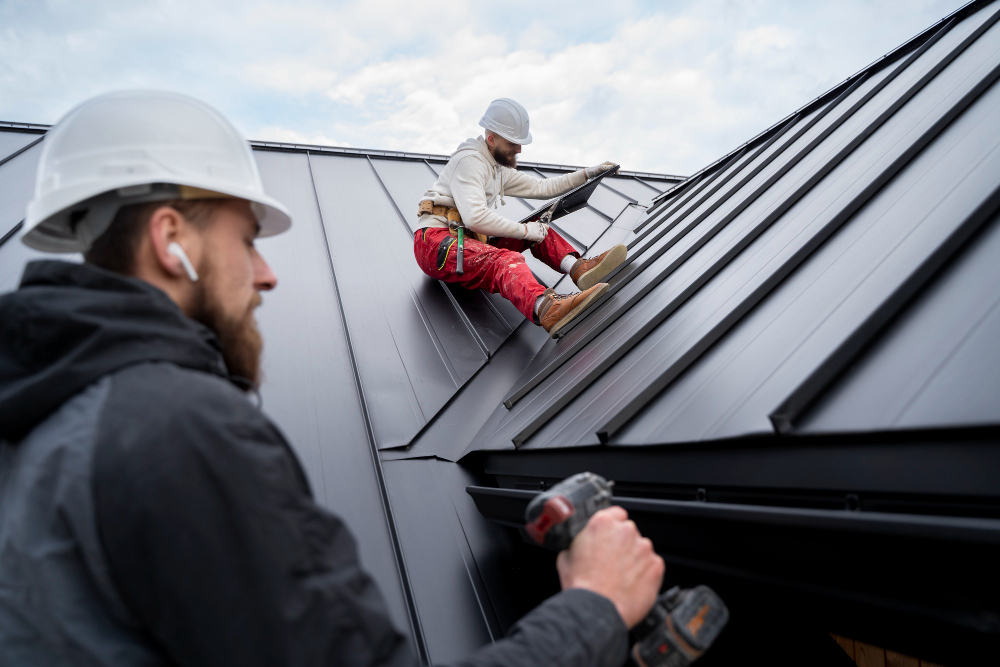
Roof installation begins after wall panels are secured properly. Prefabricated roofing sections are lifted and attached to the upper structural supports. These roof systems are designed to fit the prepared dimensions of the prefab structure. Workers install weatherproofing materials after securing roof panels. Fasteners and locking systems keep the roof stable during strong weather conditions. This stage covers the main structure and protects interior areas from rain, sunlight, and outside debris.
Electrical Installation
Electrical systems are installed after the structure becomes weather-protected. Wiring layouts follow the original building plan prepared before fabrication. Channels inside wall panels help workers place electrical lines more efficiently during installation.
Switches, outlets, circuit breakers, and lighting connections are added during this stage. Electricians test each connection before closing wall sections completely. Proper electrical setup supports safe operation of household appliances and lighting systems inside the home.
Plumbing Installation
Plumbing work begins after the structural sections and utility pathways are ready. Pipes for water supply and drainage systems are connected based on kitchen, bathroom, and laundry area layouts prepared during planning stages. Workers connect pipelines carefully to avoid leaks and pressure problems. Water flow and drainage systems are tested after installation. This process supports proper sanitation and water distribution inside the prefab house in the Philippines after occupancy begins.
Interior Finishing
Interior finishing improves the appearance and function of indoor spaces. Workers install flooring materials, ceiling panels, wall coatings, and room partitions after electrical and plumbing systems are completed successfully. Paint, tiles, vinyl flooring, and decorative finishes are added during this phase. Surface adjustments are also completed before final cleaning begins. Interior finishing gives each room a polished appearance and prepares the house for regular residential use.
Window and Door Installation
Doors and windows are installed after wall systems and interior sections are completed. Pre-sized frames fit directly into prepared wall openings created during the manufacturing stage before transport to the site. Workers secure locks, hinges, handles, and glass panels carefully. Each door and window is tested for proper movement and alignment. Proper installation supports airflow, lighting access, privacy, and secure entry points throughout the house structure.
Exterior Finishing
Exterior finishing improves the outer appearance of the prefab structure. Protective coatings and paint are applied to outside surfaces to reduce exposure to rain, sunlight, and moisture commonly experienced in different Philippine locations. Workers may also complete pathways, drainage channels, and small landscape sections during this stage. Final exterior work improves the overall appearance of the prefab house in the Philippines and completes the visible structure before turnover.
Final Inspection
The final inspection reviews all installed systems and structural sections before occupancy. Workers examine roofing connections, wall alignment, plumbing systems, electrical components, and interior finishes for possible issues or adjustments.
Minor corrections are completed if needed before project completion. Functional tests are also performed on lighting, drainage, and water systems. This final stage confirms that the prefab house in the Philippines is fully assembled and ready for residential use.
Key Takeaway
A prefab house in the Philippines follows a step-by-step assembly process beginning with site preparation and ending with final inspection. The system uses factory-made sections connected on location using planned installation methods. Each construction stage focuses on organized assembly, structural stability, and proper installation of residential systems and finishing materials.