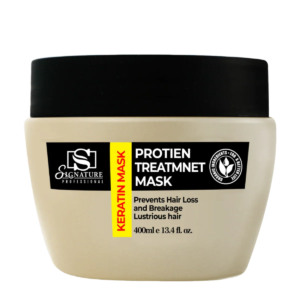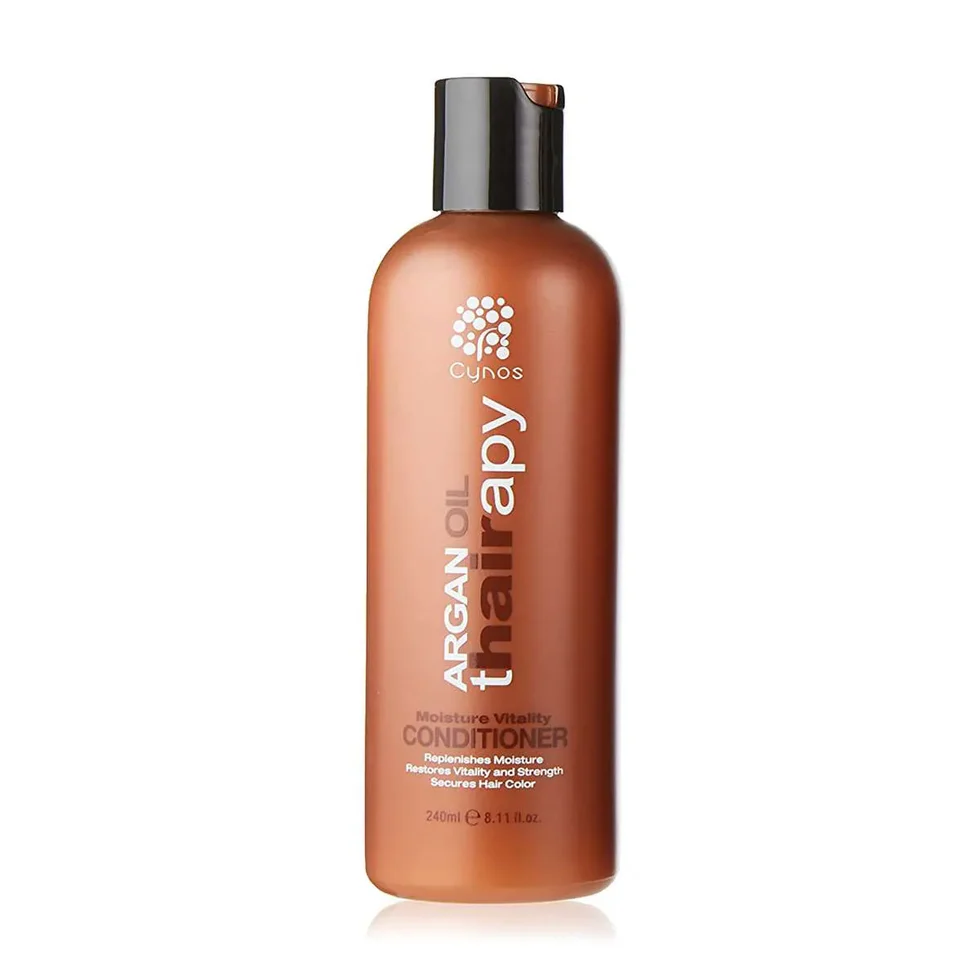
Split ends are one of the most common hair problems faced by people of all ages. They make hair look dry, rough, and unhealthy, and if left untreated, they can travel up the hair shaft and cause even more damage. Many people believe that split ends can only be fixed with frequent haircuts, but the truth is that proper conditioning and consistent hair care can significantly reduce and even prevent them from forming in the first place.
In 2026, haircare science has shifted toward prevention-based treatment rather than damage control. Instead of waiting for split ends to appear, modern routines focus on maintaining strong, hydrated, and protected hair through effective conditioning techniques.
This guide explains how proper conditioning plays a key role in preventing split ends and how you can build a routine that keeps your hair smooth, strong, and healthy.
Understanding What Causes Split Ends
Before learning how to prevent split ends, it is important to understand why they happen. Split ends occur when the outer protective layer of the hair, called the cuticle, becomes weak or damaged. Once the cuticle breaks, the inner structure of the hair is exposed and begins to fray.
Common causes include:
- Excessive heat styling (straighteners, curlers, blow dryers)
- Chemical treatments such as coloring, bleaching, or rebonding
- Lack of proper conditioning and moisture
- Rough brushing or towel-drying
- Environmental damage from sun, pollution, and wind
When hair loses moisture and strength, it becomes brittle, making split ends more likely.
Why Conditioning Is the Key to Prevention
Conditioning is the most important step in preventing split ends because it restores moisture, smooths the cuticle, and strengthens the hair fiber. Without proper conditioning, hair becomes dry and more vulnerable to breakage.
A good conditioner works in three main ways:
- It hydrates the hair shaft
- It smooths the outer layer (cuticle)
- It reduces friction between strands
When hair is well-conditioned, it is more flexible and less likely to split under stress.
Step 1: Choose the Right Conditioner for Your Hair Type
Not all conditioners are the same. Choosing the right formula is essential for preventing split ends effectively.
For dry or damaged hair, look for conditioners rich in:
- Argan oil
- Shea butter
- Keratin protein
- Coconut oil
- Aloe vera
For fine hair, lightweight conditioners are better to avoid buildup while still providing moisture.
The goal is to match your conditioner with your hair’s specific needs to ensure proper nourishment.
Step 2: Apply Conditioner Correctly
Even the best conditioner will not work properly if it is not applied correctly. Many people make the mistake of applying conditioner directly to the scalp, which can lead to buildup and oily roots.
The correct method is:
- Apply conditioner from mid-length to ends
- Avoid direct application on the scalp
- Leave it for 2–5 minutes for absorption
- Rinse thoroughly with cool or lukewarm water
This ensures that the driest parts of your hair receive maximum hydration and protection.
Step 3: Deep Conditioning for Extra Protection
Regular conditioning is essential, but deep conditioning provides intensive repair that helps prevent split ends more effectively.
Deep conditioning treatments penetrate deeper into the hair fiber, restoring lost moisture and strengthening weak areas.
Use a deep conditioning mask once or twice a week, especially if your hair is:
- Chemically treated
- Heat-styled frequently
- Naturally dry or frizzy
This extra step significantly reduces the risk of split ends forming.
Step 4: Avoid Over-Washing Your Hair
Washing hair too frequently removes natural oils that protect and nourish the strands. When hair becomes overly dry, it becomes more prone to splitting.
The ideal routine is to wash hair 2–3 times per week using a gentle, sulfate-free shampoo. This helps maintain the natural balance of oils while still keeping the scalp clean.
Step 5: Combine Conditioning With Leave-In Care
Leave-in conditioners are an excellent way to extend hydration throughout the day. They create a protective layer around the hair, reducing friction and preventing dryness.
They are especially useful for:
- Detangling hair
- Reducing frizz
- Protecting against environmental damage
Using a leave-in conditioner after washing helps maintain softness and prevents split ends caused by daily wear and tear.
Step 6: Reduce Heat Styling Damage
Heat is one of the biggest enemies of healthy hair. Frequent use of hot tools weakens the hair structure and leads to split ends over time.
To minimize damage:
- Use heat styling tools only when necessary
- Always apply a heat protectant spray
- Keep heat settings on low or medium
- Allow hair to air-dry whenever possible
Reducing heat exposure gives your conditioned hair a better chance to stay strong and intact.
Step 7: Be Gentle While Handling Hair
Rough handling is another major cause of split ends. Wet hair is particularly fragile, so it should always be treated with care.
Best practices include:
- Using a wide-tooth comb instead of a brush on wet hair
- Detangling from ends to roots gently
- Avoiding towel rubbing; instead, pat dry
- Using silk or satin pillowcases to reduce friction
These small habits play a big role in preventing damage.
Step 8: Maintain Regular Trimming
Even with perfect conditioning, occasional trimming is necessary. Split ends cannot be repaired once they form, but regular trims prevent them from spreading.
Trimming every 6–8 weeks keeps hair healthy, neat, and more resistant to future damage.
Step 9: Protect Hair From Environmental Stress
Environmental factors such as sun exposure, pollution, and humidity weaken the hair cuticle and increase the risk of split ends.
To protect your hair:
- Cover it during strong sunlight
- Use protective hairstyles in windy conditions
- Rinse hair after heavy exposure to dust or pollution
This helps maintain the integrity of conditioned hair.
Step 10: Use High-Quality Haircare Products
Product quality plays a huge role in preventing split ends. Harsh chemicals, low-quality ingredients, and heavy buildup products can weaken hair over time.
Look for products that focus on hydration, protein balance, and natural nourishment.
Freecia’s Role in Hair Protection
Freecia is dedicated to providing advanced haircare solutions designed to strengthen, hydrate, and protect hair from damage. By combining nourishing ingredients with modern formulation techniques, Freecia products help reduce dryness and improve hair resilience, making it easier to prevent split ends naturally.
The brand focuses on long-term hair health rather than temporary cosmetic results, supporting users in building stronger and smoother hair over time.
Conclusion
Preventing split ends is not about one quick fix it is about consistent care, proper conditioning, and gentle handling. By choosing the right conditioner, applying it correctly, reducing heat damage, and maintaining hydration, you can significantly reduce the chances of split ends forming.
Healthy hair is built through daily habits, not occasional treatments. With the right routine and quality products, long-lasting results are absolutely achievable.
Brands like Freecia are helping people achieve stronger and healthier hair by offering advanced conditioning solutions designed for real-life hair challenges. For many users, these solutions are becoming essential, especially when looking for the Best Argan Oil Conditioners in Pakistan.