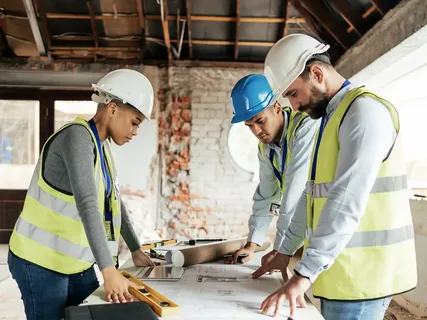
Construction projects involve many moving parts, from planning and scheduling to execution and delivery. Without proper coordination, even small issues can lead to delays, cost overruns, or quality concerns. This is where construction task management plays a central role.
This field guide explains how construction task management works in practice and answers a common question: What does construction management include? The goal is to provide clear, practical insight into how tasks are planned, tracked, and completed efficiently on a construction project.
What Is Construction Task Management?
Construction task management refers to the process of organizing, assigning, tracking, and completing tasks throughout a construction project. It ensures that each activity is completed on time, within budget, and according to specifications.
At its core, construction task management focuses on:
- Breaking down the project into manageable tasks
- Assigning responsibilities to teams or individuals
- Monitoring progress in real time
- Adjusting plans when issues arise
This structured approach helps maintain control over complex workflows and improves coordination across teams.
What Does Construction Management Include?
To understand construction task management fully, it is important to look at the broader scope of construction management.
Key Components of Construction Management
Construction management includes several essential functions that work together:
1. Project Planning
Planning sets the foundation for the entire project. It involves:
- Defining project scope
- Setting timelines and milestones
- Identifying required resources
A clear plan helps teams understand what needs to be done and when.
2. Cost Management
Managing costs ensures the project stays within budget. This includes:
- Estimating expenses
- Tracking actual spending
- Adjusting allocations when needed
Cost control is closely linked to task management, as delays or inefficiencies can increase expenses.
3. Scheduling
Scheduling focuses on organizing tasks in a logical sequence. It helps teams:
- Understand task dependencies
- Avoid conflicts between activities
- Meet deadlines
Effective scheduling tools often support construction task management by providing visual timelines.
4. Quality Control
Quality management ensures that all work meets required standards. This involves:
- Regular inspections
- Compliance with specifications
- Correcting defects promptly
Each task must meet quality expectations before moving to the next phase.
5. Risk Management
Construction projects often face uncertainties. Risk management includes:
- Identifying potential issues
- Planning preventive measures
- Responding quickly to problems
Task management plays a role here by tracking risks linked to specific activities.
6. Communication and Coordination
Clear communication keeps all stakeholders aligned. This includes:
- Sharing updates with teams
- Coordinating between contractors and suppliers
- Documenting decisions
Without proper communication, task execution can become inconsistent.
How Construction Task Management Works in Practice
Construction task management is not just about assigning work. It involves continuous monitoring and adjustment.
Breaking Down the Project
The first step is dividing the project into smaller tasks. For example:
- Site preparation
- Foundation work
- Structural construction
- Finishing tasks
Each of these can be further divided into detailed activities.
Assigning Responsibilities
Every task should have a clear owner. This ensures accountability and avoids confusion. Responsibilities may be assigned to:
- Contractors
- Subcontractors
- Site supervisors
Clear roles help streamline execution.
Tracking Progress
Progress tracking is essential for identifying delays early. Common methods include:
- Daily site reports
- Task checklists
- Progress tracking tools
This helps project managers compare planned vs. actual performance.
Managing Dependencies
Many construction tasks depend on others. For example, structural work cannot begin until the foundation is complete.
Managing these dependencies helps:
- Prevent workflow interruptions
- Maintain project timelines
- Reduce rework
Tools and Techniques for Effective Task Management
Modern construction projects often use tools to improve efficiency and accuracy.
Digital Project Management Tools
Software solutions help teams:
- Assign tasks digitally
- Track progress in real time
- Store project documentation
These tools reduce manual errors and improve visibility.
Gantt Charts
Gantt charts provide a visual representation of the schedule. They help:
- Understand task sequences
- Identify overlapping activities
- Monitor deadlines
Checklists and Standard Procedures
Checklists ensure consistency in task execution. They are useful for:
- Safety inspections
- Quality checks
- Routine site activities
Standard procedures help maintain uniform performance across teams.
Common Challenges in Construction Task Management
Even with proper systems in place, challenges can arise.
Delays in Task Completion
Delays may occur due to:
- Weather conditions
- Material shortages
- Labor issues
Regular monitoring helps address delays quickly.
Miscommunication
Lack of clear communication can lead to:
- Incorrect task execution
- Rework
- Confusion among teams
Clear reporting systems reduce this risk.
Resource Constraints
Limited resources can affect productivity. This includes:
- Equipment availability
- Skilled labor shortages
Proper planning helps allocate resources efficiently.
Practical Tips for Improving Construction Task Management
Improving construction task management does not always require complex systems. Simple steps can make a difference.
Focus on Clear Planning
Start with a well-defined plan. Ensure all tasks are:
- Clearly described
- Properly scheduled
- Realistically timed
Maintain Regular Updates
Frequent updates keep everyone informed. This includes:
- Daily progress reports
- Weekly review meetings
Use Simple Tracking Methods
Even basic tools like spreadsheets or checklists can improve tracking if used consistently.
Encourage Team Coordination
Strong coordination between teams helps avoid delays and confusion.
Conclusion
Construction task management is a critical part of delivering successful projects. It ensures that each task is planned, assigned, and completed in a structured way. By breaking down work, tracking progress, and maintaining clear communication, teams can manage complex construction processes more effectively.
Understanding what construction management includes—from planning and scheduling to cost and quality control—provides a complete picture of how projects are executed. When these elements work together, construction task management becomes more efficient and reliable.
A practical, organized approach helps reduce risks, improve coordination, and keep projects on track from start to finish.