How to Manage Bee Activity Near Outdoor Dining Areas
Outdoor dining spaces create inviting environments where families gather, conversations flow, and meals feel connected to nature. However, these pleasant settings sometimes attract unexpected visitors, particularly pollinating insects searching for food or shelter. When homeowners notice increased bee activity near patios or backyard tables, understanding the causes becomes essential before considering any solutions. Bees naturally seek environments where nectar sources, water availability, and sheltered surfaces combine to support their daily survival patterns. Outdoor dining areas often unintentionally provide these resources through sweet beverages, fruit leftovers, floral centerpieces, and water condensation from cold containers. Consequently, managing bee activity requires thoughtful awareness rather than reactive actions that might disturb important ecological balance.
Environmental conditions significantly influence how insects behave around residential spaces designed for relaxation or entertainment purposes. For example, sunlight reflecting from metallic surfaces or glassware can attract curious pollinators investigating potential nectar sources. Similarly, fragrances from flavored drinks, sauces, or desserts may signal accessible sugars that sustain their energy needs. Once these insects associate a dining location with easy nourishment, repeated visits become increasingly common throughout warmer seasons. Understanding the underlying motivations behind bee activity allows homeowners to respond calmly and responsibly without unnecessary alarm or disruption.
Another important factor involves seasonal patterns that shape pollinator movement across gardens, neighborhoods, and urban landscapes. During warmer months, flowering plants produce abundant nectar, encouraging bees to explore diverse locations within short flight distances. Outdoor dining areas positioned near gardens, flowering shrubs, or fruit trees naturally fall within these travel paths. Consequently, increased bee activity around tables may reflect healthy ecological dynamics rather than problematic infestations. By recognizing these patterns, homeowners can shift focus toward prevention strategies that maintain comfort without harming beneficial pollinators.
Environmental Factors Influencing Bee Activity Near Dining Spaces
Environmental conditions surrounding residential patios often shape insect movement more strongly than homeowners initially realize. Temperature, sunlight exposure, and nearby vegetation create microhabitats influencing how frequently pollinators explore specific locations. When these elements align favorably, increased bee activity may naturally occur around outdoor dining arrangements during warmer daylight hours. Understanding these environmental influences enables homeowners to adapt their surroundings without compromising landscape beauty or ecological balance.
Vegetation represents one of the most significant contributors to insect visitation patterns across residential properties. Flowering plants located close to patios often provide nectar sources that attract pollinators throughout blooming seasons. While gardens enhance visual charm and biodiversity, they can also increase bee activity near nearby dining furniture. Strategic placement of flowering species farther from seating areas helps maintain pollination benefits while reducing direct interactions with dining guests.
Water sources also play subtle yet important roles in shaping pollinator behavior across backyard environments. Bees require small amounts of water to regulate hive temperatures and support colony functions during warm seasons. Condensation from cold beverage containers or small puddles near dining areas may inadvertently provide hydration opportunities. When these sources remain consistently available, repeated visits increase visible bee activity during peak daytime hours.
Lighting conditions further influence insect navigation patterns within outdoor residential spaces. Reflective surfaces such as polished tables, glassware, or decorative fixtures sometimes mimic visual cues associated with natural nectar sources. Pollinators investigating these reflections may temporarily hover around dining areas before recognizing the absence of flowers. Although harmless, this exploratory behavior contributes to perceived increases in bee activity that homeowners might find unsettling during meals.
Practical Strategies to Reduce Bee Activity During Outdoor Meals
Once homeowners understand environmental influences, implementing practical adjustments becomes the next step toward comfortable outdoor dining experiences. Effective prevention strategies focus primarily on reducing attractants rather than disrupting beneficial pollinators unnecessarily. Small habit changes can significantly reduce bee activity near tables while preserving the natural charm of backyard environments.
One effective approach involves promptly covering beverages and food items whenever possible during outdoor gatherings. Sweet drinks, fruit platters, and dessert plates release aromas that pollinators recognize instantly from considerable distances. By using lids or protective covers, homeowners minimize scent signals that encourage exploratory bee activity around dining areas. This simple adjustment often produces noticeable improvements in comfort levels during shared meals.
Another helpful strategy involves adjusting decorative choices that may influence insect curiosity within backyard spaces. Bright floral table arrangements sometimes mimic nectar-rich blossoms, drawing pollinators toward dining tables unexpectedly. Replacing these displays with neutral greenery or subtle decorative elements reduces visual signals associated with natural nectar sources. Consequently, perceived bee activity often decreases gradually without sacrificing aesthetic appeal.
Homeowners should also consider the placement of waste containers or recycling bins within proximity to outdoor dining setups. Food remnants stored nearby continue releasing scents that attract insects searching for nutrition sources. Keeping waste containers sealed and positioned farther from seating areas prevents unnecessary bee activity during gatherings. These small logistical adjustments create noticeable improvements in outdoor comfort while maintaining responsible waste management practices.
Encouraging Safe Relocation When Bee Activity Persists
Despite preventive efforts, certain situations may still result in consistent pollinator presence near residential dining spaces. Nearby structural cavities, garden features, or landscaping elements occasionally provide attractive nesting opportunities for colonies. When persistent bee activity suggests possible nesting nearby, homeowners should consider professional relocation assistance rather than attempting risky interventions independently.
Humane relocation methods protect both homeowners and pollinators while preserving the essential ecological services bees provide globally. Specialists trained in pollinator behavior can evaluate nesting locations carefully and recommend safe relocation solutions. In communities seeking responsible assistance, contacting a trusted bee removal service in Studio City, LA often ensures experienced professionals handle relocation using environmentally respectful techniques. These experts prioritize colony preservation while addressing homeowner concerns regarding recurring bee activity near living spaces.
Professional evaluation also helps identify hidden structural features that might inadvertently encourage nesting within residential properties. Gaps beneath rooflines, wooden beams, or hollow decorative structures occasionally provide sheltered environments suitable for colony establishment. By identifying these features early, relocation specialists can address root causes contributing to ongoing bee activity around outdoor dining areas. Preventive repairs then reduce the likelihood of future nesting occurrences.
Long-Term Outdoor Dining Design for Balanced Bee Activity
Designing outdoor spaces thoughtfully can significantly influence how insects interact with residential environments over extended periods. Homeowners planning new patios or renovations should consider subtle design principles that naturally discourage concentrated bee activity near dining furniture. By anticipating pollinator behaviors early, outdoor living areas remain inviting without sacrificing ecological harmony.
Landscape planning represents one of the most influential design factors shaping pollinator movement around residential dining zones. Placing flowering plants strategically across garden borders encourages bees to remain focused on natural nectar sources away from seating areas. This thoughtful arrangement supports healthy pollination while limiting noticeable bee activity near tables during gatherings.
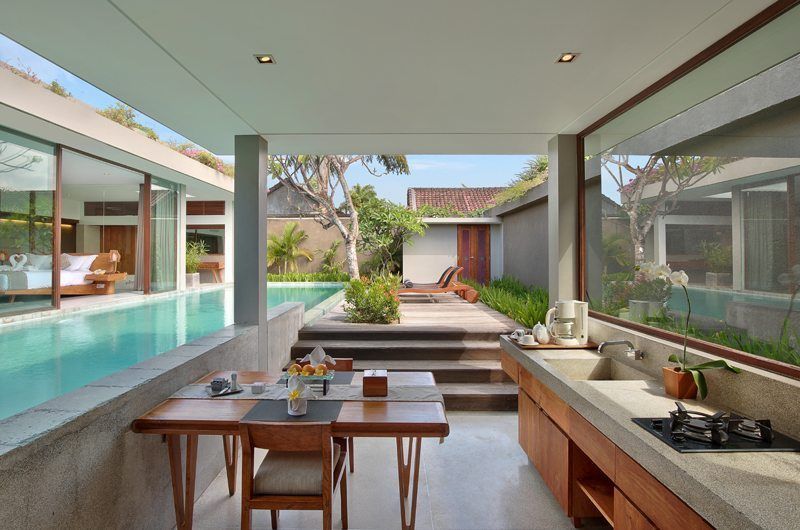
Material selection also influences how insects perceive various outdoor surfaces within residential spaces. Natural wood, stone, or matte finishes typically generate fewer reflective cues that might attract exploratory pollinators. Avoiding highly reflective metals or glass surfaces around dining setups helps reduce curiosity-driven bee activity during daylight hours. Subtle design adjustments therefore contribute meaningfully to comfortable outdoor experiences.
Water feature placement deserves equal attention when designing balanced backyard environments that support wildlife responsibly. Small fountains or birdbaths placed farther from dining areas provide hydration opportunities without drawing pollinators toward meal locations. Maintaining this spatial separation minimizes unintentional encouragement of bee activity where people gather most frequently