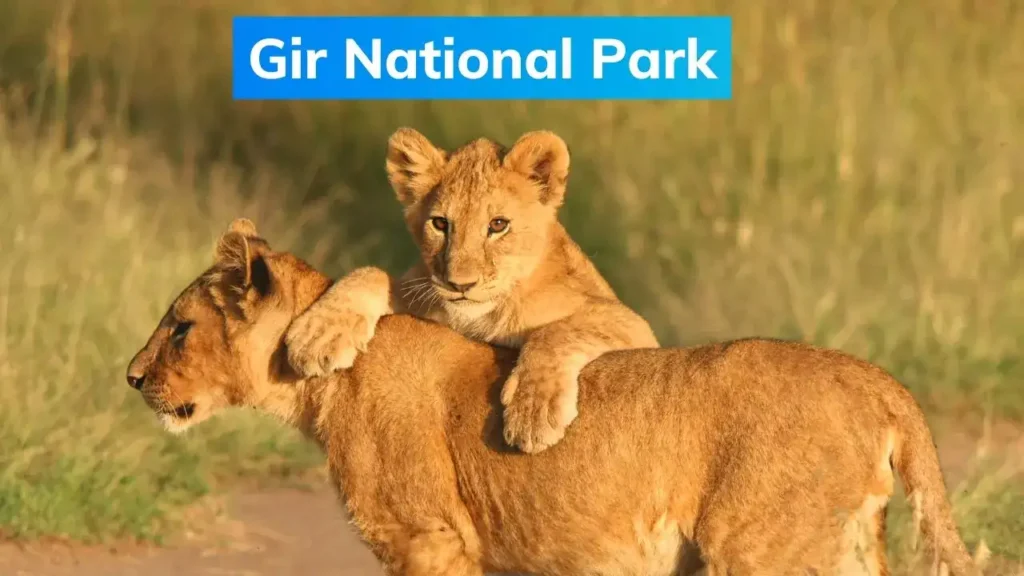
Gir National Park, located in Gujarat, India, is the only natural habitat of the Asiatic lion. Spread across 1,412 square kilometers, it is a paradise for wildlife enthusiasts, photographers, and nature lovers. When travelers search for Wildlife Safari in Gir National Park, they are seeking an immersive experience that combines adventure, conservation, and the thrill of spotting rare species in their natural environment.
Why Gir National Park is Special
- Exclusive Habitat: The only place in the world where Asiatic lions roam free.
- Biodiversity: Home to leopards, hyenas, jackals, antelopes, crocodiles, and over 300 bird species.
- Conservation Success: A global model for wildlife preservation.
- Safari Adventure: Jeep rides, interpretation zones, and guided tours make it accessible for all.
Types of Safaris in Gir National Park
| Safari Type | Features | Best For | Duration |
| Jeep Safari | Most popular, covers core zones, guided by experts | Wildlife enthusiasts & photographers | 3 hours |
| Canter Safari | Larger vehicle, budget option, group tours | Families & budget travelers | 3 hours |
| Devalia Safari Park (Interpretation Zone) | Controlled environment, guaranteed lion sightings | Short trips & beginners | 1.5 hours |
Safari Timings
- Morning Safari: 6:00 AM – 9:00 AM (best for lion sightings).
- Afternoon Safari: 3:00 PM – 6:00 PM (ideal for bird watching and evening activity).
- Booking: Online permits are mandatory; peak season requires advance reservations.
Wildlife You Can Spot
- Asiatic Lions: The star attraction, often seen near waterholes.
- Leopards: Elusive but frequently spotted in summer.
- Hyenas & Jackals: Scavengers that play a vital ecological role.
- Deer & Antelopes: Chital, sambar, nilgai, and chinkara roam freely.
- Birds: Over 300 species, including crested serpent eagles, vultures, and migratory waterfowl.
- Reptiles: Marsh crocodiles and monitor lizards thrive near rivers and lakes.
Best Time for Wildlife Safari
- Winter (Nov–Feb): Pleasant weather, comfortable safaris, peak tourist season.
- Summer (Mar–Jun): Hot but excellent for lion sightings near water sources.
- Monsoon (Jul–Oct): Park closed for regeneration; safaris unavailable.
Safari Experience: What to Expect
- Adventure: Dusty trails, teak forests, and thorn scrublands create a rugged landscape.
- Guided Tours: Naturalists explain animal behavior and conservation efforts.
- Photography: Dramatic shots of lions, leopards, and birds against dry forest backdrops.
- Community Interaction: Maldhari tribes coexist with wildlife, offering cultural insights.
Suggested Itinerary
Day 1
- Arrival at Sasan Gir.
- Evening safari in Devalia Interpretation Zone.
Day 2
- Morning jeep safari in the core zone.
- Afternoon visit to crocodile breeding center.
- Evening cultural program showcasing Maldhari traditions.
Day 3
- Bird‑watching safari.
- Departure after breakfast.
Travel Tips
- Book Early: Safaris fill up quickly in winter.
- Carry Essentials: Water, hats, sunscreen, binoculars, and cameras.
- Respect Wildlife: Maintain silence, avoid littering, and follow guide instructions.
- Stay Options: From budget lodges to luxury resorts near Sasan Gir.
- Health Precautions: Summers can be harsh; stay hydrated.
Risks and Considerations
- Heat in Summer: Safaris can be exhausting; plan early morning rides.
- Crowds in Winter: Advance booking is essential.
- Monsoon Closures: Safaris unavailable; plan alternative eco‑tourism destinations.
- Wildlife Safety: Never step out of vehicles; follow park rules strictly.
Conclusion
A wildlife safari in Gir National Park is more than just an adventure—it is a journey into the heart of India’s conservation success story. From the majestic Asiatic lions to the vibrant birdlife, every safari offers unforgettable encounters. The best time to visit is winter for comfort and festivals, while summer rewards patient wildlife enthusiasts with rare sightings. Whether you’re a photographer, a family traveler, or a nature lover, Gir National Park promises an experience that blends thrill, culture, and ecological awareness.