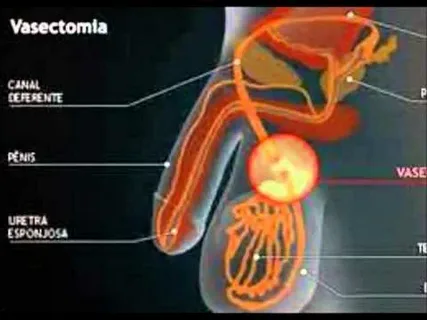
Vasectomy is a safe, effective, and widely performed surgical procedure designed to provide permanent male contraception. While the surgery itself is typically quick—often completed within 20 to 30 minutes—many patients are most concerned about what happens afterward. Understanding recovery timelines can help reduce anxiety, improve outcomes, and ensure a smooth transition back to daily activities. Recovery from vasectomy varies from person to person, but most individuals experience a predictable sequence of healing stages. This article explores vasectomy recovery timelines in detail, including immediate post-operative care, short-term milestones, long-term healing expectations, and factors that influence recovery speed.
Understanding the Basics of Vasectomy Recovery
Recovery after vasectomy is generally straightforward because the procedure is minimally invasive. Modern techniques, especially the no-scalpel method, reduce tissue trauma and allow for faster healing. However, even with advanced techniques, the body still needs time to recover from surgical manipulation of the vas deferens and surrounding tissues. Most patients return home the same day and begin their recovery process immediately.
The main goals during recovery are to minimize swelling, prevent infection, manage discomfort, and allow proper wound healing. Following medical advice during the early phase plays a crucial role in determining how quickly patients can return to normal routines.
Immediate Recovery: The First 24–48 Hours
The first two days after vasectomy are considered the acute recovery phase. During this period, patients may experience mild pain, swelling, and bruising around the scrotal area. These symptoms are normal and typically manageable with rest, ice packs, and over-the-counter pain medications recommended by a healthcare provider.
Doctors usually advise patients to avoid strenuous activity and remain off their feet as much as possible. Wearing supportive underwear helps reduce movement and minimize discomfort. Applying cold compresses intermittently—usually 15 to 20 minutes at a time—can significantly decrease swelling.
During this early stage, patients should monitor for warning signs such as excessive bleeding, fever, or severe pain, which could indicate complications. Fortunately, serious issues are rare when post-operative instructions are followed carefully.
Early Healing Phase: Days 3–7
By the third day, most individuals begin to notice a reduction in swelling and pain. Many patients feel well enough to resume light activities, such as desk work or gentle walking. However, heavy lifting, intense exercise, and sexual activity are generally discouraged during this time.
The incision site or puncture wound typically starts to close and heal during this phase. Mild tenderness may persist, especially when standing for long periods or moving abruptly. Some men may experience small lumps known as sperm granulomas, which are usually harmless and resolve on their own.
Hygiene is important during early healing. Patients are often advised to avoid soaking in baths or swimming pools until the wound has sufficiently healed. Gentle showers are usually permitted after the first day, depending on the surgeon’s recommendations.
Short-Term Recovery: Weeks 2–3
Most men experience significant improvement by the second or third week after vasectomy. Normal daily routines, including moderate exercise, can usually be resumed gradually. Discomfort becomes minimal or disappears entirely for many patients during this stage.
Sexual activity is often allowed after about one to two weeks, but it is essential to understand that vasectomy does not provide immediate contraception. Sperm may still be present in the reproductive tract for several weeks or even months after surgery. Alternative birth control methods must be used until follow-up semen analyses confirm the absence of sperm.
Some patients may notice occasional mild aching or sensitivity during this phase, particularly after physical exertion. These sensations typically fade as tissues continue to heal and inflammation subsides.
Intermediate Recovery: One to Three Months
The intermediate phase marks the transition from healing to full recovery. By one month, most men feel completely normal and have resumed all usual activities, including sports and heavy physical labor. Any lingering swelling or tenderness generally resolves during this period.
Follow-up appointments are an important part of recovery timelines. Healthcare providers often request semen samples approximately 8–12 weeks after the procedure to verify the success of the vasectomy. Only after receiving medical confirmation of sterility should patients consider discontinuing other forms of contraception.
Emotionally, this period can also involve adjustment. Some men experience relief from pregnancy concerns, while others may need time to adapt psychologically to the permanence of the procedure. Open communication with partners and healthcare professionals can help address emotional aspects of recovery.
Long-Term Recovery and Adaptation
Long-term recovery extends beyond the physical healing process. Months after vasectomy, most individuals report no ongoing discomfort or functional limitations. Sexual function, testosterone levels, and overall health are generally unaffected by the procedure.
In rare cases, some men may develop chronic post-vasectomy pain syndrome, characterized by persistent discomfort. Although uncommon, this condition highlights the importance of discussing potential risks with a healthcare provider before undergoing surgery.
Long-term adaptation also includes lifestyle normalization. Patients can engage in all activities, including high-impact sports, without restrictions once healing is complete. Regular medical check-ups and awareness of reproductive health remain essential components of long-term wellness.
Factors That Influence Recovery Timelines
Recovery speed can vary widely depending on individual circumstances. Several factors may influence how quickly a patient heals after vasectomy:
- Surgical Technique: No-scalpel vasectomy often results in faster recovery compared to traditional incisional methods due to reduced tissue damage.
- Age and General Health: Younger individuals or those in good physical condition may heal more quickly.
- Activity Level: Resuming strenuous activities too soon can prolong recovery or lead to complications.
- Post-Operative Care Compliance: Following medical instructions closely significantly improves healing outcomes.
- Pre-Existing Medical Conditions: Conditions such as diabetes or immune disorders may slow wound healing.
- Individual Pain Tolerance: Perception of discomfort varies, affecting how patients interpret recovery progress.
Managing Common Post-Procedure Symptoms
Most recovery symptoms are mild and temporary. Swelling and bruising usually subside within a week or two, while tenderness may last slightly longer. Applying ice packs, wearing supportive garments, and avoiding unnecessary strain are effective ways to manage symptoms.
Patients may also notice minor discharge or scabbing at the incision site. Keeping the area clean and dry helps prevent infection. If unusual symptoms develop—such as persistent fever, severe swelling, or worsening pain—medical evaluation is essential.
Returning to Work and Physical Activity
One of the most common concerns after vasectomy is how soon patients can return to work. Many men with sedentary jobs resume work within two to three days. Those involved in physically demanding occupations may need a week or more before returning safely.
Exercise should be reintroduced gradually. Light walking can begin within a few days, but high-impact activities like running, cycling, or weightlifting should be postponed until the surgeon provides clearance. Rushing back into intense exercise can increase the risk of bleeding or delayed healing.
Emotional and Psychological Recovery
While physical healing is often straightforward, emotional recovery is equally important. Some men feel a sense of relief and freedom from contraception worries, while others may experience anxiety or second thoughts. Counseling or educational resources can help patients process their feelings and adjust to the permanent nature of the procedure.
Partners may also benefit from open conversations about expectations and experiences during recovery. Mutual understanding and support can strengthen relationships and contribute to overall satisfaction with the decision.
Tips for a Smooth Recovery Timeline
- Rest adequately during the first few days.
- Follow all medical instructions carefully.
- Wear supportive underwear to minimize discomfort.
- Use ice packs to control swelling.
- Avoid strenuous activities until cleared by a healthcare provider.
- Attend follow-up appointments and semen testing.
- Communicate with healthcare professionals about any concerns.
Conclusion
Vasectomy and post-procedure recovery timelines are generally predictable and manageable, especially when patients understand what to expect at each stage. From the initial 48 hours of rest to the gradual return to normal activities within a few weeks, most individuals experience a smooth and uncomplicated recovery. Long-term outcomes are overwhelmingly positive, with minimal impact on daily life or overall health.
By adhering to medical guidance, maintaining realistic expectations, and monitoring symptoms carefully, patients can ensure a comfortable recovery journey. Awareness of recovery timelines empowers individuals to make informed decisions, plan their schedules effectively, and approach vasectomy with confidence.
FAQs
- How long does it take to fully recover after a vasectomy?
Most men recover enough to resume normal daily activities within one to two weeks, while complete internal healing may take several weeks. Full confirmation of sterility typically requires follow-up testing after two to three months. - When can I return to exercise after a vasectomy?
Light activities such as walking can begin within a few days, but strenuous exercise should usually be avoided for at least one to two weeks or until a healthcare provider gives approval. - Is it normal to feel discomfort weeks after a vasectomy?
Mild tenderness or occasional aching can occur during the healing process and typically resolves within a few weeks. Persistent or severe pain should be evaluated by a medical professional to rule out complications.