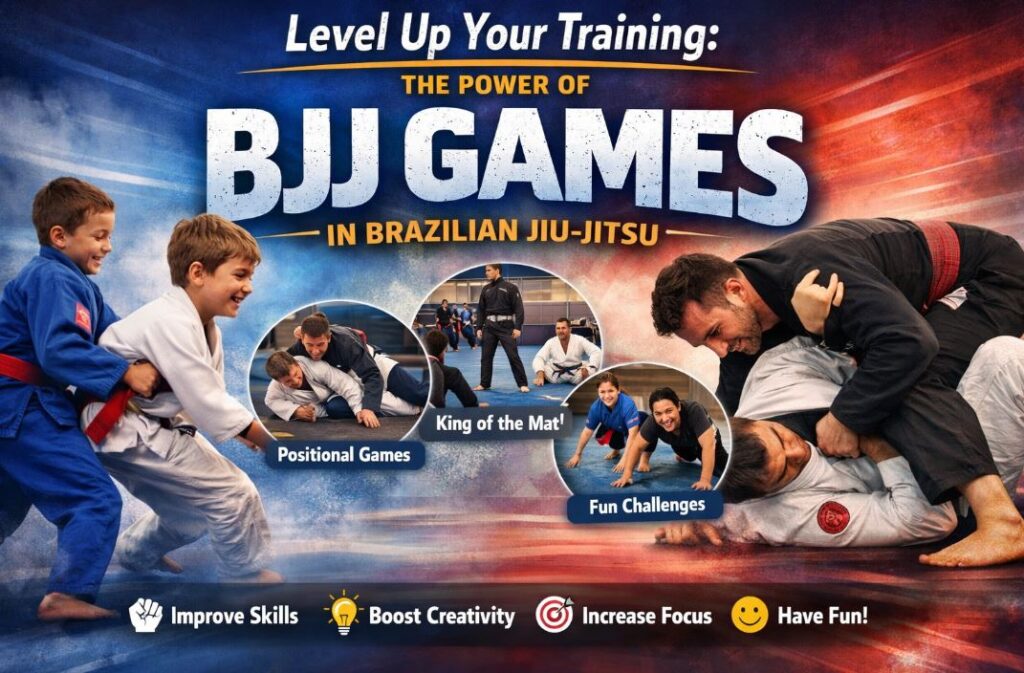
Brazilian Jiu-Jitsu is more than just a martial art — it’s a lifelong journey of personal growth, physical conditioning, technical refinement, and mental fortitude. Whether you’re stepping onto the mats for the first time or you’ve been training for years, how you approach jiu jitsu training can make all the difference in your progress. This article explores the key principles, habits, and strategies that can elevate your training and help you achieve your goals, no matter your skill level.
The Foundation of Consistency
When people first start jiu jitsu training, many expect rapid changes — a new technique mastered every week, belt promotions in the blink of an eye, or instant success in sparring. The reality, however, is that progress in Brazilian Jiu-Jitsu is cumulative. It’s built through consistency, not intensity. Showing up regularly — even two to three times a week — allows you to internalize movement patterns and build muscle memory that becomes invaluable on the mats.
One of the most frequent pieces of advice from instructors and veteran grapplers alike is simply to keep training. Improvement is often slow and subtle, but sticking with it over months and years yields noticeable changes in ability, confidence, and strategy.
Mastering the Fundamentals
Brazilian Jiu-Jitsu is rich with complex techniques, but the heart of effective jiu jitsu training lies in mastering the basics. Beginners are often tempted to learn flashy moves — flying submissions or advanced sweeps — before they have locked down solid fundamentals. While these flashy techniques are fun and exciting, they are low percentage and often hard to execute under pressure.
Solid fundamentals include control positions, escapes, guard retention, and basic submissions like armbars and triangles. Prioritizing these basics builds a stable foundation that supports more advanced techniques later on.
Train With Purpose
Showing up on the mats is one thing — training with purpose is another. Quality often trumps quantity when it comes to jiujitsu training. Before each session, set clear goals: focus on a single technique, work on maintaining posture under pressure, or improve your transitions.
During drills, repetition builds muscle memory, and in rolling (sparring), focus on applying what you’ve learned rather than just trying to win. Intentional training sharpens your skills faster and helps you develop deeper technical understanding.
Embracing Sparring and Learning from Rolls
Sparring — commonly called “rolling” — is where theory meets reality. It’s a live environment where your reactions, timing, and instincts are truly tested. For many practitioners, this is where the greatest progress happens.
Approach rolling with the mindset of learning instead of winning. Don’t be afraid to get submitted. Tapping is not a sign of weakness, but an opportunity to discover what you need to improve. Every roll, every scramble, and every mistake is a lesson.
Listen to Your Body and Avoid Injury
In any martial art, injuries can set you back months or even years. Jiu jitsu training pushes the body hard — joints are twisted, grips are strong, and scrambles happen fast. It’s vital to warm up thoroughly, listen to your body, and rest when needed. Overtraining can lead to unnecessary injuries that stall progress.
Hydration, nutrition, and sleep should be considered part of your training program. The stronger and healthier your body is, the more you can absorb each session and the longer you can train consistently.
Training With Variety: Partners and Styles
Rolling with a variety of partners is one of the best ways to become a well-rounded grappler. Training only with partners of similar size and skill limits your exposure to different styles and strategies. Higher belts often bring unique challenges — they force you to adapt, refine timing, and learn new approaches.
Adapting to different body types, speeds, and tactics improves your ability to handle unpredictable situations — both in competition and everyday training.
Track Progress and Set Goals
Growth in jiu jitsu training is easier to sustain when you track it. Whether it’s logging attendance, noting techniques learned, or recording key moments from rolls, keeping a training journal helps you see patterns and progress over time. This reflective practice helps you identify areas for improvement and celebrate milestones.
Set short-term goals (like mastering a sweep) and long-term goals (like earning a belt promotion). Goals provide direction and motivation during plateaus — those periods when progress feels slow.
The Mental Game and the Jiu Jitsu Mindset
Brazilian Jiu-Jitsu is as much mental as it is physical. Patience, discipline, and resilience are essential traits for consistent training. A growth mindset — focusing on improvement rather than comparing yourself to others — helps you stay engaged and positive. Celebrate your progress, embrace challenges, and remember that growth often happens outside your comfort zone.
Conclusion: The Journey Is the Reward
Being successful in jiu jitsu training isn’t about reaching one destination. It’s about the journey — the countless hours of drilling, rolling, learning, and reflecting. Every training session adds another layer to your skill set, conditioning, and mindset.
By mastering fundamentals, training with purpose, listening to your body, and maintaining a consistent routine, you’ll not only improve on the mats but also cultivate discipline and confidence that transcend the gym. Whether your goal is self-defense, competition, fitness, or personal growth, effective jiu jitsu training empowers you to evolve both as a martial artist and as an individual.