Mass Image Compressor Compressed this image. https://sourceforge.net/projects/icompress/ with Quality:60
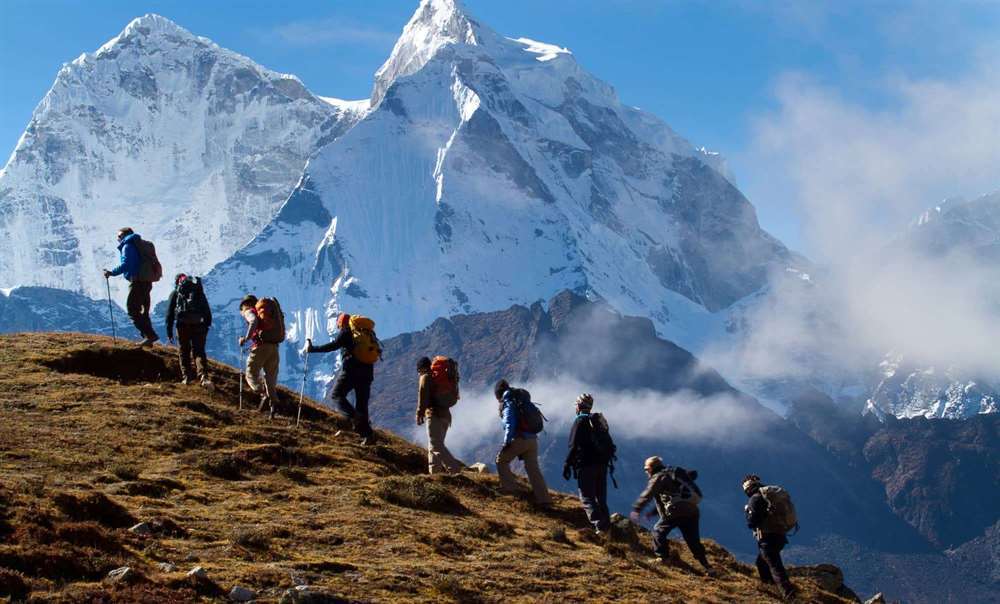
Ladakh, often called the “Land of High Passes,” is one of India’s most spectacular destinations for trekking. For adventure seekers, Trekking in Ladakh is not just about conquering mountains—it’s about immersing yourself in a unique blend of nature, culture, and resilience. With its barren yet beautiful landscapes, snow-capped peaks, glacial rivers, and Buddhist monasteries, Ladakh offers trails that are both physically challenging and spiritually uplifting.
🌍 Introduction to Trekking in Ladakh
Located in the northernmost region of India, Ladakh lies between the Karakoram and Himalayan ranges. Its high-altitude terrain, ranging from 2,700 meters to over 6,000 meters, makes it a paradise for trekkers. The region is known for stark deserts, turquoise lakes, and ancient Buddhist monasteries perched on cliffs. Trekking here is a test of endurance, but it rewards travelers with unmatched beauty and cultural immersion.
🕉️ Why Choose Ladakh for Trekking?
- Unique Terrain: High-altitude deserts, glaciers, and alpine meadows.
- Cultural Immersion: Trails pass through Buddhist villages and monasteries.
- Adventure: Challenging treks with passes above 5,000 meters.
- Scenic Beauty: Lakes like Pangong and Tso Moriri, plus views of Karakoram peaks.
- Accessibility: Connected by air to Leh and by road via Manali and Srinagar.
🏞️ Popular Treks in Ladakh
1. Markha Valley Trek
- One of the most popular treks in Ladakh.
- Passes through villages, monasteries, and high-altitude passes like Kongmaru La.
- Offers views of Kang Yatse peak.
- Best time: June–September.
2. Chadar Trek (Frozen Zanskar River)
- A unique winter trek across the frozen Zanskar River.
- Famous for its icy terrain and caves.
- Best time: January–February.
- Extremely challenging due to sub-zero temperatures.
3. Stok Kangri Trek
- A high-altitude trek leading to Stok Kangri peak (6,153 meters).
- Offers panoramic views of the Himalayas and Karakoram.
- Requires acclimatization and prior trekking experience.
4. Lamayuru to Alchi Trek
- A cultural trek passing through ancient monasteries.
- Famous for its lunar-like landscapes.
- Best time: June–September.
5. Snow Leopard Trek (Hemis National Park)
- Focused on spotting the elusive snow leopard.
- Best time: November–March.
- Combines wildlife adventure with cultural immersion.
6. Sham Valley Trek
- Known as the “Baby Trek” of Ladakh.
- Easy trails suitable for beginners and families.
- Passes through villages and monasteries.
7. Rumtse to Tso Moriri Trek
- A high-altitude trek leading to the stunning Tso Moriri Lake.
- Crosses several passes above 5,000 meters.
- Best time: July–September.
8. Nubra Valley Trek
- Famous for sand dunes, double-humped camels, and monasteries.
- Offers views of Karakoram peaks.
- Best time: June–September.
9. Spituk to Stok Trek
- A short trek near Leh.
- Passes through Hemis National Park.
- Suitable for beginners seeking cultural and natural experiences.
10. Zanskar Valley Treks
- Includes routes like Padum to Darcha.
- Famous for remote villages and rugged terrain.
- Best time: July–September.
🌱 Types of Trekking Experiences in Ladakh
Beginner Treks
- Sham Valley, Spituk to Stok.
- Easy gradients, suitable for families.
Moderate Treks
- Markha Valley, Lamayuru to Alchi.
- Require fitness but manageable for most.
Challenging Treks
- Chadar, Stok Kangri, Rumtse to Tso Moriri.
- Demanding trails with high altitudes and extreme weather.
🧭 Essentials for Trekking in Ladakh
- Best Time to Visit: Summer (June–September) for most treks; winter (January–February) for Chadar.
- Clothing: Layered clothing for varying temperatures.
- Gear: Trekking shoes, sleeping bags, and eco-friendly camping gear.
- Acclimatization: Spend 2–3 days in Leh before starting treks.
- Permits: Some treks require Inner Line Permits.
- Sustainability: Avoid plastic, respect local customs, and support village homestays.
🌐 Modern Trends in Ladakh Trekking
- Eco-Tourism: Focus on sustainable practices and community involvement.
- Digital Booking: Online reservations for treks and guides.
- Luxury Adventure: Boutique eco-resorts offering trekking packages.
- Global Appeal: Increasing interest from international trekkers seeking Himalayan experiences.
🏔️ Challenges in Trekking Tourism
- High Altitude: Risk of Acute Mountain Sickness (AMS).
- Extreme Weather: Sub-zero temperatures in winter treks.
- Infrastructure: Remote areas need improved facilities for visitors.
- Preservation Needs: Fragile ecosystems require careful conservation.
📈 Future of Trekking in Ladakh
- Government Initiatives: Promoting eco-tourism and adventure circuits.
- Global Branding: Positioning Ladakh as India’s trekking hub.
- Technology Integration: Smart apps for navigation and cultural learning.
- Community Involvement: Local participation in tourism and conservation.
✨ Conclusion
Exploring Trekking in Ladakh is a journey into India’s Himalayan beauty and cultural richness. From the frozen Zanskar River to the vibrant Markha Valley, from spotting snow leopards in Hemis National Park to conquering Stok Kangri, Ladakh offers treks for every kind of traveler. As eco-tourism grows, the region continues to inspire trekkers, offering paths of discovery, adventure, and inner peace.