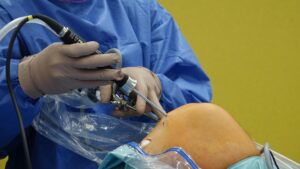
Trauma surgery is a specialized field dedicated to the urgent surgical management of life-threatening injuries caused by events such as road collisions, industrial accidents, and violent incidents. These injuries often involve multiple organ systems and demand rapid, coordinated intervention to stabilize the patient, control bleeding, and prevent organ failure.
In parallel, cases involving severe injuries frequently intersect with legal pathways, particularly in fatal accident claims, where medical documentation, surgical decisions, and recovery outcomes become central to determining liability and compensation.
Immediate Response: From Emergency Scene to Operating Room
The first phase of trauma care begins at the incident site and continues through emergency department resuscitation.
Primary Survey and Stabilization
Trauma teams follow a structured protocol:
- Airway management with cervical spine protection
- Breathing assessment and oxygenation
- Circulation control, including hemorrhage management
- Disability evaluation (neurological status)
- Exposure and environmental control
Rapid imaging (CT scans, X-rays) and laboratory tests guide the urgency and type of trauma surgery required.
Surgical Decision-Making
Emergency trauma surgery may include:
- Damage control surgery for severe bleeding
- Exploratory laparotomy for internal injuries
- Thoracotomy for chest trauma
- Orthopedic fixation for fractures
The primary goal is survival definitive repairs may be delayed until the patient stabilizes.
Types of Trauma Surgery Procedures
Damage Control Surgery
A staged approach used in critically unstable patients:
- Initial operation to stop bleeding and contamination
- Intensive care stabilization
- Definitive surgical repair once physiology improves
Neurosurgical Intervention
Severe head injuries may require:
- Craniotomy to relieve pressure
- Hematoma evacuation
- Monitoring intracranial pressure
Orthopedic Trauma Surgery
Common procedures include:
- Internal fixation using rods, plates, or screws
- External fixation for unstable fractures
- Joint reconstruction
Vascular Surgery
Critical in restoring blood flow:
- Arterial repair or grafting
- Control of life-threatening hemorrhage
Postoperative Intensive Care and Monitoring
After trauma surgery, patients are transferred to the ICU for continuous monitoring.
Key Focus Areas
- Hemodynamic stability
- Oxygenation and ventilation
- Infection prevention
- Organ function monitoring
Advanced support may include ventilators, dialysis, or vasopressor medications.
Recovery Timeline After Major Trauma Surgery
Recovery is highly individualized, depending on injury severity, age, and overall health.
Acute Phase (Days to Weeks)
- Pain management
- Wound care
- Prevention of complications such as infections or blood clots
Subacute Phase (Weeks to Months)
- Gradual mobilization
- Physical therapy initiation
- Nutritional support for healing
Long-Term Recovery (Months to Years)
- Rehabilitation programs
- Psychological support (PTSD, anxiety)
- Return to work and daily activities
Rehabilitation and Functional Recovery
Rehabilitation is a cornerstone of recovery following trauma surgery.
Physical Rehabilitation
- Strength and mobility training
- Gait re-education
- Range-of-motion exercises
Occupational Therapy
- Relearning daily tasks
- Adaptive equipment training
- Workplace reintegration
Psychological Support
- Trauma counseling
- Cognitive behavioral therapy
- Support for emotional resilience
Complications After Trauma Surgery
Even with optimal care, complications may arise:
- Surgical site infections
- Organ failure
- Chronic pain
- Nerve damage
- Post-traumatic stress disorder
Early detection and management are essential to improve outcomes.
Legal Considerations: Role in Fatal Accident Claims
In cases of severe or fatal injuries, trauma surgery records become critical evidence in fatal accident claims.
Key Medical Documentation
- Surgical reports
- ICU records
- Imaging and diagnostic findings
- Cause of death (if applicable)
These documents help establish:
- Extent of injuries
- Standard of care provided
- Link between accident and outcome
Expert Witness Contribution
Trauma surgeons may serve as expert witnesses, offering:
- Professional opinions on injury causation
- Evaluation of surgical decisions
- Clarification of recovery expectations
Multidisciplinary Trauma Care Model
Effective trauma management relies on collaboration:
- Trauma surgeons
- Emergency physicians
- Anesthesiologists
- Critical care specialists
- Rehabilitation therapists
This integrated approach ensures continuity from emergency intervention to long-term recovery.
Optimizing Recovery Outcomes After Trauma Surgery
Patients achieve better recovery through:
- Early intervention and rapid surgery
- Consistent rehabilitation adherence
- Strong social and psychological support
- Continuous medical follow-up
Conclusion
Trauma surgery represents the critical intersection of life-saving intervention and long-term recovery planning. From emergency response to rehabilitation, every phase plays a decisive role in survival and quality of life. In parallel, comprehensive medical documentation supports legal processes such as fatal accident claims, ensuring accountability and appropriate compensation where applicable.


![GAURANGI[1]](https://topnewstoday.uk/wp-content/uploads/2026/03/GAURANGI1-300x200.jpg)