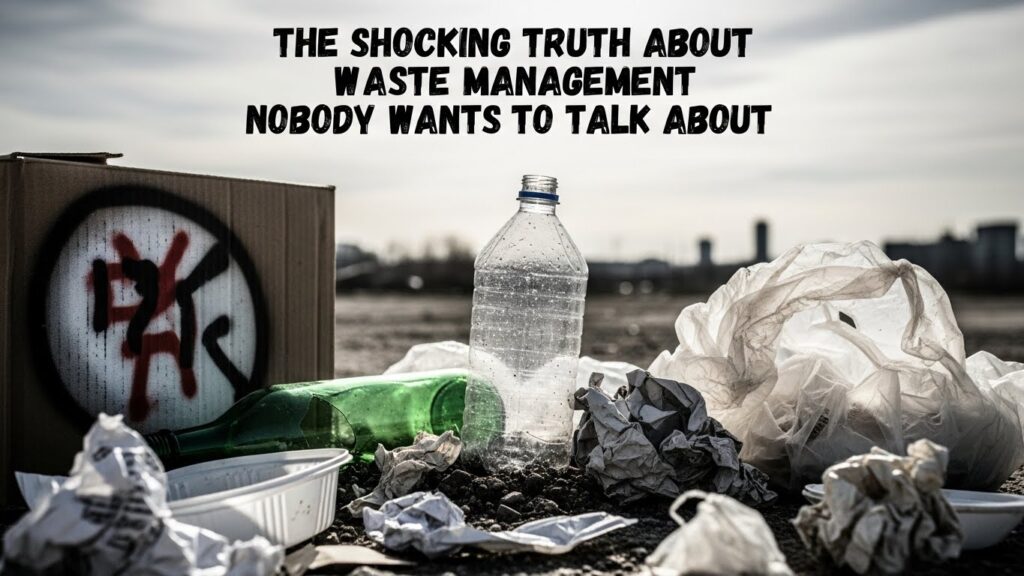
Waste Management is often treated as a background service-something people only notice when it goes wrong. Trash disappears, bins get emptied, and life moves on. But behind this everyday routine lies a system that directly affects public health, environmental sustainability, business efficiency, and even economic growth. The shocking truth is that poor waste management practices are silently creating long-term problems that many individuals, businesses, and governments prefer to ignore.
In today’s fast-paced world, waste generation is increasing at an alarming rate. From households to commercial spaces and industrial facilities, the volume of waste produced daily is overwhelming outdated systems. Effective waste management is no longer optional-it is essential for a cleaner, safer, and more sustainable future.
The Hidden Impact of Poor Waste Management
Improper waste management doesn’t just look bad; it causes serious consequences. Overflowing bins, illegal dumping, and unsegregated waste lead to pollution of air, soil, and water. Hazardous waste that is not handled correctly can contaminate groundwater and spread toxic substances into ecosystems.
For businesses, poor waste management can result in regulatory fines, health code violations, and damaged reputations. Customers today are more environmentally conscious than ever. A business that neglects proper waste disposal risks losing trust and credibility.
Why Waste Management Systems Are Failing
One of the most uncomfortable truths about waste management is that many systems are outdated and inefficient. Rapid urbanization and population growth have outpaced infrastructure development. Waste collection methods that worked decades ago are no longer sufficient for modern demands.
Another issue is lack of waste segregation at the source. When recyclable, organic, and hazardous waste are mixed together, recycling becomes difficult and costly. This leads to more waste ending up in landfills instead of being reused or recycled.
The Environmental Cost No One Talks About
Landfills are not just piles of trash-they are major contributors to environmental damage. Decomposing waste releases methane, a greenhouse gas far more potent than carbon dioxide. Inefficient waste management accelerates climate change while draining natural resources.
Recycling and sustainable waste management practices can significantly reduce environmental harm. However, many communities still lack access to proper recycling facilities or education on waste reduction.
Waste Management and Public Health
Poor waste disposal directly affects public health. Accumulated waste attracts pests such as rodents and insects, which spread diseases. Inadequate handling of medical and hazardous waste poses severe risks to sanitation workers and nearby residents.
Professional waste management services follow strict safety protocols, ensuring that waste is collected, transported, and disposed of without endangering human health. This is especially critical for hospitals, restaurants, and industrial facilities.
The Business Case for Professional Waste Management
Businesses often view waste management as an expense, but the reality is quite different. Efficient waste management reduces operational costs, improves workplace safety, and supports sustainability goals. Recycling programs can lower disposal fees, while waste audits help identify areas of inefficiency.
Commercial waste management services also ensure compliance with environmental regulations, protecting businesses from legal and financial risks. In the long run, proper waste management is an investment, not a burden.
The Role of Technology in Modern Waste Management
Technology is transforming waste management in powerful ways. Smart bins, automated sorting systems, and data-driven waste tracking are improving efficiency and reducing waste volumes. These innovations help cities and businesses optimize collection routes, reduce fuel consumption, and increase recycling rates.
Sustainable waste management solutions are no longer futuristic ideas-they are practical tools that can be implemented today to create measurable impact.
The Responsibility We All Share
One of the most ignored truths about waste management is that responsibility does not lie with service providers alone. Individuals, businesses, and governments must work together. Simple actions like waste segregation, reducing single-use plastics, and choosing eco-friendly products can significantly reduce waste generation.
Education and awareness play a critical role. When people understand the long-term impact of waste mismanagement, they are more likely to adopt responsible behaviors.
Frequently Asked Questions (FAQs)
What is waste management?
Waste management is the process of collecting, transporting, processing, recycling, and disposing of waste materials in a safe and sustainable manner.
Why is proper waste management important?
Proper waste management protects the environment, improves public health, reduces pollution, and supports sustainable development.
What are the main types of waste management?
The main types include solid waste management, hazardous waste disposal, recycling, composting, and industrial waste management.
How can businesses improve waste management?
Businesses can improve waste management by partnering with professional services, implementing recycling programs, reducing waste at the source, and conducting regular waste audits.
What happens if waste is not managed properly?
Poor waste management can lead to environmental pollution, health risks, legal penalties, and increased operational costs.
Conclusion
The shocking truth about waste management is that ignoring it comes at a far greater cost than addressing it. From environmental damage to public health risks and business losses, poor waste management affects everyone, whether we realize it or not. Choosing professional and sustainable solutions is the only way forward.
By adopting smarter waste practices and working with trusted service providers like perfettocleaning, businesses and communities can ensure cleaner spaces, regulatory compliance, and long-term sustainability. perfettocleaning stands as a reliable solution for modern waste management needs, helping create a healthier and more responsible future.