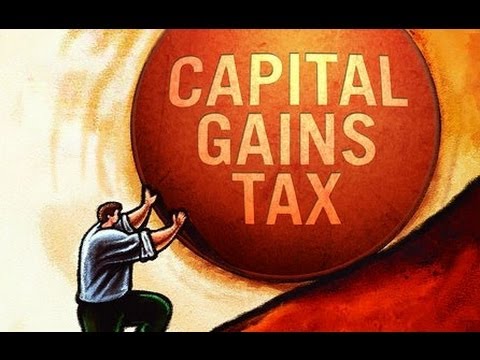
Capital Gains Tax (CGT) has long been a cornerstone of the UK’s taxation system, affecting individuals and businesses that realise profits from selling assets such as property, shares, or other investments. With shifting political landscapes and growing debate over economic fairness, the future of CGT is increasingly in the spotlight especially under a Labour government that has signalled potential reforms.
What Is Capital Gains Tax and Why It Matters
Capital Gains Tax is levied on the profit made when an asset is sold for more than it was purchased. Unlike Income Tax, which applies to wages and salaries, CGT targets gains from investments and asset sales. CGT is a powerful tool in the UK’s tax policy toolkit because it affects decisions on investment, savings, and long-term financial planning.
Historically, CGT rates have been lower than Income Tax rates. This has prompted debates about fairness and whether the tax system unduly benefits wealthier taxpayers who derive more income from investments than from wages. For many individuals, especially those holding significant assets like second homes or investment portfolios, CGT can be one of the largest annual tax liabilities outside of income tax.
Political Context: Labour and Capital Gains Tax
The connection between Labour and capital gains tax reform has grown stronger in recent years. Labour politicians have increasingly argued that the current system is inequitable and fails to capture a fair share of revenue from those with substantial investment income.
This focus, often referenced in discussions of labour capital gains tax, has two main dimensions:
- Rate Alignment: Many within Labour support aligning CGT rates more closely with Income Tax rates. Currently, higher-rate taxpayers pay significantly less on capital gains than on earned income, which critics argue encourages tax avoidance and benefits high-net-worth individuals.
- Threshold Adjustments: Labour has also discussed lowering the CGT allowance (the amount of gains one can realise tax-free each year), with the intention of increasing tax receipts and funding public services.
These proposals are not without controversy. Opponents warn that steep increases in CGT could deter investment, slow economic growth, and even reduce overall tax revenues if investors defer sales to avoid higher taxation.
Economic and Social Implications
Reforming CGT under a Labour government could have far-reaching effects:
- Investment Behavior: Higher CGT rates or lower allowances might encourage longer-term asset holding or push investors toward alternative tax-efficient vehicles. However, some economists argue that excessive taxation could discourage investment in UK businesses and property markets.
- Housing Market Impact: Since CGT applies to second homes and rental properties, changes could influence homeowner behaviour. A higher tax burden might discourage speculative buying but could also reduce the supply of rental properties if investors pull back.
- Revenue Generation: Adjustments to CGT are often pitched as a way to tackle fiscal shortfalls. With increasing demands on the UK’s public services and pressures on the national budget, policymakers are keen to explore all avenues of taxation that can sustainably boost revenue.
- Perceptions of Fairness: A central argument for reform is fairness. Many believe that the wealthy benefit disproportionately from lower CGT rates, especially when coupled with inheritance tax reliefs and other tax planning opportunities.
International Comparisons
Globally, countries handle capital gains in varied ways. Some, like the United States, also tax capital gains at preferential rates compared to income, while others integrate them fully into income taxation. Any reform in the UK will also take into account the need to remain competitive internationally, ensuring that foreign investors still find the UK an attractive destination.
What Might Change Next?
While no definitive policy has been enacted yet, several key trends point toward possible futures:
- Rate Convergence: A gradual alignment of CGT and Income Tax rates may be introduced, narrowing the gap between earnings and investment gains.
- Bracket Revisions: The annual tax-free allowance might be reduced to increase the number of taxable gains.
- Tapered Reliefs: New relief schemes could be introduced that incentivise long-term investment while taxing short-term speculation more heavily.
- Targeted Exemptions: To protect small investors and first-time property sellers, exemptions or reliefs might be introduced, balancing equity with growth incentives.
Preparing for Change
For individuals and businesses alike, the evolving debate around CGT highlights the importance of proactive planning:
- Review Portfolios: Regularly reviewing asset portfolios with tax advisers can help anticipate potential liabilities and opportunities.
- Understand Thresholds: Staying informed about current and proposed CGT thresholds ensures better financial planning.
- Long-Term Strategy: Investors may consider holding periods and alternative investment structures to mitigate future tax impacts.
Conclusion
The future of Capital Gains Tax in the UK is likely to be shaped by political priorities, economic pressures, and public demand for a fairer taxation system. With labour capital gains tax reform proposals gaining traction, businesses and individuals must stay informed and agile. As the debate continues, understanding the role of CGT in both personal finances and broader economic policy will be crucial for navigating change.