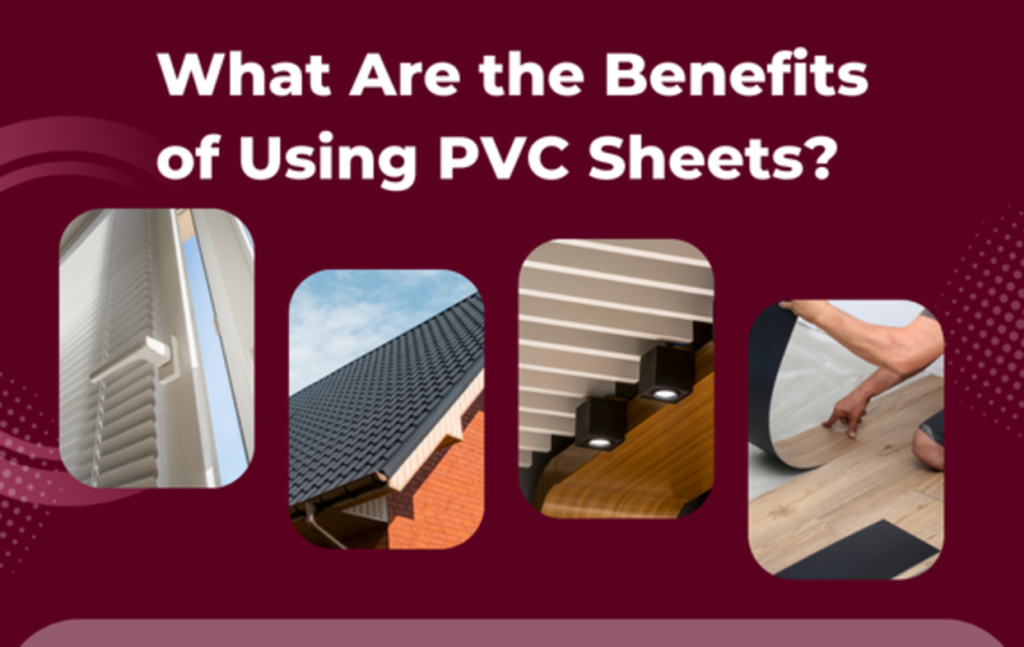
PVC boards have become a preferred material in construction, furniture making, signage, and interior applications. Their durability, stability, and versatility are well-known, but what often gets overlooked is how significantly they reduce long-term costs. For businesses looking to manage budgets without compromising quality, understanding the advantages of using PVC boards can lead to smarter purchasing decisions.
Below is a clear, practical breakdown of how PVC boards deliver long-term savings and why they continue to gain traction in global markets.
1. Longer Lifespan Means Fewer Replacements
One of the biggest advantages of using PVC boards is their lifespan. Traditional materials like wood and plywood tend to wear down due to moisture, insects, and natural degradation. PVC boards don’t face these issues.
- They resist rot and swelling.
- They don’t warp under humidity or temperature changes.
- They are not affected by termites or other pests.
This stability means you replace them far less often. For businesses that regularly build displays, furniture, or interior fittings, reducing the replacement cycle can eliminate thousands in recurring costs over time.
2. Minimal Maintenance Lowers Ongoing Expenses
Maintenance is a hidden cost that adds up quickly. Wood needs sanding, repainting, and occasional antifungal treatment. Metal may require rust protection. In contrast, PVC boards need almost no upkeep.
A simple wipe-down restores their surface. They don’t require special coatings or frequent repairs. Because they don’t absorb moisture, they stay clean longer and are easier to maintain in environments such as hospitals, commercial kitchens, laboratories, and retail interiors.
This low maintenance requirement directly supports long-term cost efficiency.
3. Lightweight Material Reduces Labor and Installation Costs
PVC boards are much lighter than wood or composite boards of similar thickness. This lowers costs in several ways:
- Faster installation: Teams can move and install panels quickly.
- Lower labor hours: Less time spent handling material.
- Reduced transport fees: More boards can be shipped in one load.
- Ease of on-site cutting: Simple tools are enough; no need for heavy machinery.
For companies managing large fit-out projects, the difference in handling time becomes a major financial advantage. Even small reductions in hourly labor costs multiplied across dozens or hundreds of boards deliver measurable savings.
4. Inherent Water and Chemical Resistance Avoids Damage Costs
Water damage is a major cause of material failure in many industries. Once plywood absorbs moisture, the swelling is irreversible. PVC boards are naturally waterproof. This prevents expensive problems such as:
- Layer separation
- Mold growth
- Structural weakness
- Surface bubbling
For environments exposed to chemicals or cleaning agents, PVC also holds up better than traditional boards. It doesn’t react, corrode, or weaken. This resilience lowers the risk of costly replacements and repairs.
5. Versatility Reduces Material Waste
Because PVC boards are adaptable, one material can serve multiple functions. They can be used for:
- Cabinetry and shelving
- Wall and ceiling panels
- Decorative interior panels
- Outdoor signage
- Exhibits and displays
- Partitions and workspaces
This broad usability means businesses can standardize material purchasing instead of stocking a wide range of products. Using one material for different applications cuts waste, simplifies inventory, and offers better pricing through bulk orders.
6. Stable Pricing Protects Budgets From Market Fluctuations
Wood prices often fluctuate due to availability, shipping issues, or environmental conditions. This makes it difficult for businesses to plan yearly budgets. PVC board pricing tends to remain more stable, thanks to controlled manufacturing processes that don’t rely on inconsistent natural resources.
Predictable pricing lets companies forecast expenses more accurately. When you know what the material will cost next quarter, you can schedule projects and manage cash flow with less risk.
7. High Durability Reduces Total Cost of Ownership
The total cost of ownership (TCO) looks beyond the purchase price. It includes installation, maintenance, repairs, replacement frequency, and disposal. PVC boards score well in each area:
- Low maintenance
- High lifespan
- Good chemical and weather resistance
- Less chance of damage
- Ease of cleaning
- Slow aging and color stability
Even if the upfront cost is slightly higher than basic plywood, PVC boards often end up being the cheaper option over the product’s full life cycle.
8. Consistent Quality Helps Avoid Rework
Natural materials vary from sheet to sheet, which can lead to defects, rework, or mismatched finishes. PVC boards offer uniformity across production. Their density, color, and surface texture remain consistent. This:
- Reduces installation mistakes
- Saves time on surface finishing
- Improves the final appearance
- Lowers customer complaints and warranty claims
For manufacturers and builders, this level of consistency creates smoother workflows and fewer costly project delays.
9. Ideal for Branding and Customization
PVC boards take printing, lamination, and routing very well. For signage and branding applications, this means:
- No need for additional coating layers
- Faster turnaround
- Less chance of damage during finishing
The smoother workflow translates to lower production costs and happier clients.
Conclusion: Why PVC Boards Deliver True Long-Term Value
The advantages of using PVC boards go beyond surface-level benefits. For companies seeking durability, design flexibility, predictable performance, and reduced long-term spending, PVC boards offer a strong return on investment.
They last longer, require less care, simplify installation, and eliminate many of the risks associated with traditional materials. When you account for the full life cycle—from purchase to installation to eventual replacement—PVC boards consistently prove to be the more cost-effective choice.
If you’re evaluating materials for your next project, consider how PVC boards can help you reduce expenses while maintaining high standards of quality and performance. The long-term savings speak for themselves.