Are you struggling to find room for a water tank on your property? Have you written off rainwater harvesting because your backyard just isn’t big enough? What if there was a water storage option that fits snugly against your house without eating into your precious outdoor space?
You’re not alone in facing these challenges. Across Australia, homeowners are discovering that traditional round water tanks simply don’t work for modern properties. With block sizes shrinking and urban density increasing, clever storage options have become essential. That’s where slimline steel water tanks come into play they’re changing the game for Aussie households everywhere.
In this guide, we’ll explore everything you need to know about slimline steel water tanks. From understanding their unique design to calculating the right size for your home, we’ve got you covered. You’ll learn about installation requirements, costs, maintenance tips, and how to choose the perfect tank for your property. Whether you’re building a new home or retrofitting an existing one, this information will help you make a smart decision about your water storage needs.
What Are Slimline Steel Water Tanks?
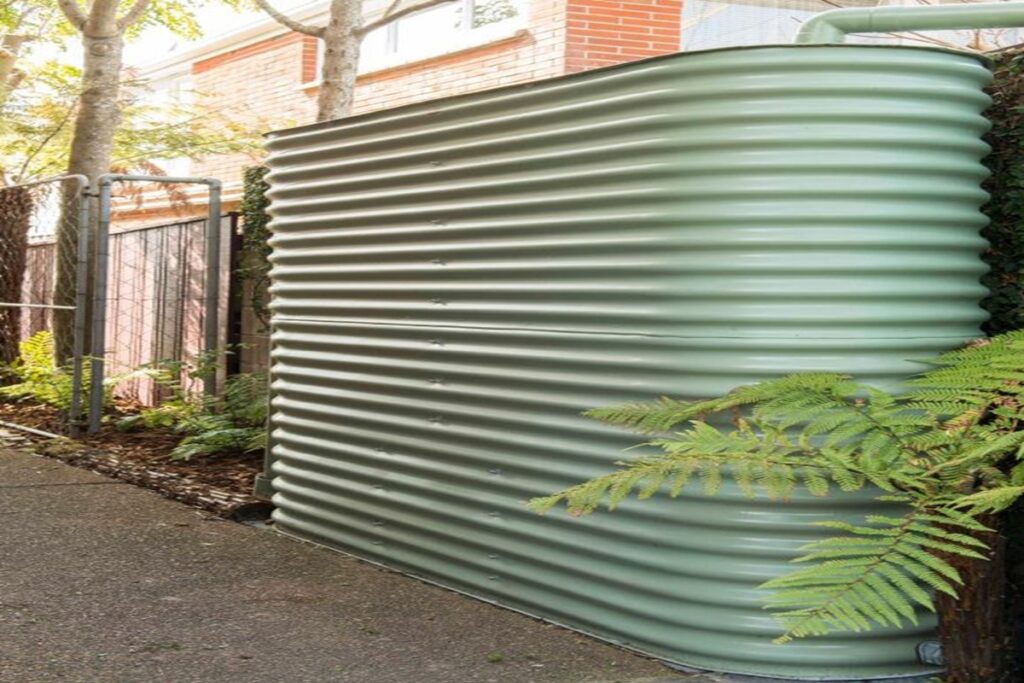
Slimline steel water tanks are exactly what they sound like narrow, tall tanks designed to maximise storage while minimising their footprint. These clever tanks typically measure between 600mm to 900mm in width, making them perfect for tight spots like side passages, along fences, or against walls.
Key Features and Design Specifications
The beauty of slimline steel water tanks lies in their thoughtful engineering. Most feature a rectangular or slightly curved profile that sits flush against walls or fences. They’re constructed from high grade Colorbond or Zincalume steel, giving them strength without excessive bulk.
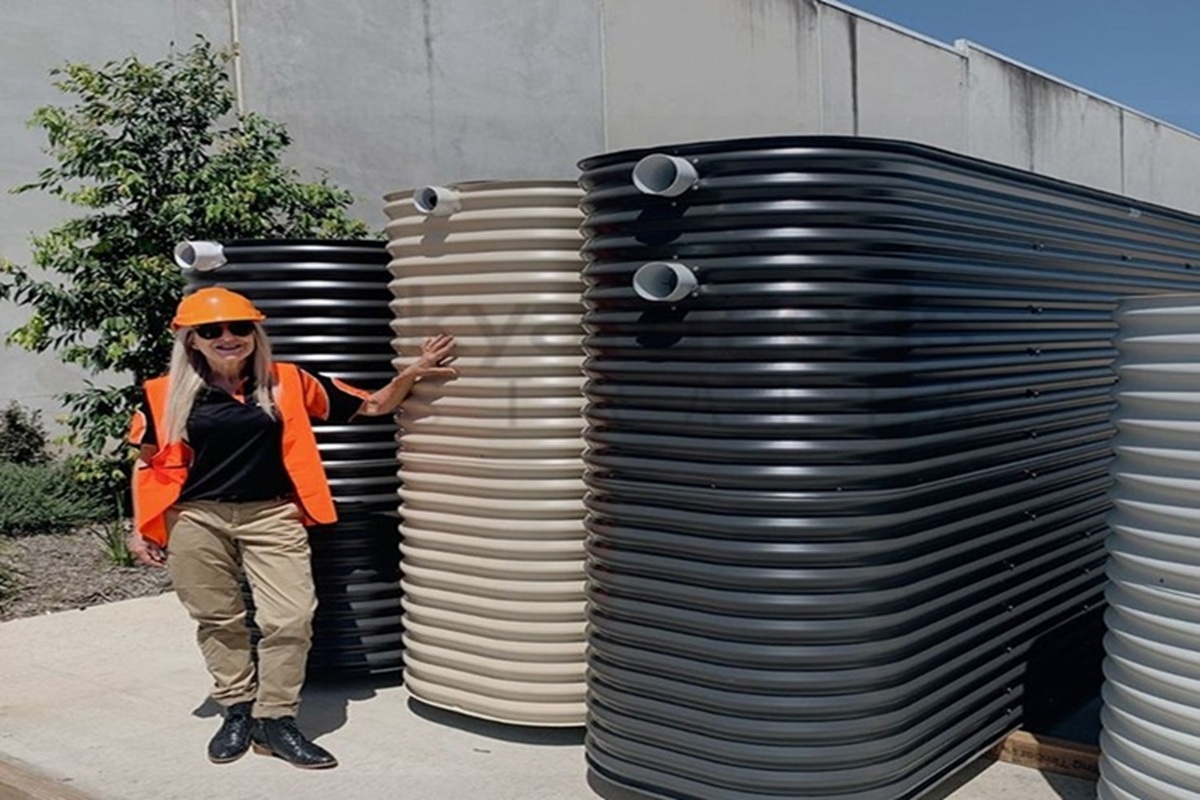
Standard heights range from 1.5 to 2.5 metres, while lengths vary depending on capacity. Many manufacturers offer customisation options, so you can get a tank that fits your specific space perfectly. Features like inlet strainers, overflow outlets, and multiple tap positions come standard with most quality models.
How Do Slimline Tanks Differ from Traditional Round Tanks?
Round tanks dominate the market for good reason they’re efficient and cost effective. However, they need significant clear space around them. A 5,000 litre round tank might have a diameter of 2 metres or more, making it impossible to fit in narrow areas.
Slimline steel water tanks offer the same capacity in a fraction of the width. They utilise vertical space rather than horizontal, making them ideal for properties where every square metre counts. Plus, their flat backs mean they sit neatly against existing structures without wasting space.
Why Choose Steel Over Other Tank Materials?
When shopping for water tanks, you’ll encounter various materials including plastic, concrete, and fibreglass. Steel stands out for several compelling reasons that make it worth considering.
Steel vs Plastic Water Tanks: Which Is Better?
Plastic tanks are popular due to their lower upfront cost, but steel offers advantages that matter over time. Steel tanks resist UV degradation far better than plastic alternatives, which can become brittle and crack after years in the harsh Australian sun. They’re also more resistant to fire a critical consideration in bushfire prone areas.
On the flip side, steel tanks typically cost more initially. However, their longer lifespan often makes them more economical over the long haul. They’re also fully recyclable at end of life, which matters if environmental impact is important to you.
Durability and Longevity of Steel Construction
Quality steel tanks are built to last. Modern manufacturing techniques mean today’s tanks feature protective coatings that prevent corrosion for decades. Many manufacturers offer warranties of 20 years or more, reflecting confidence in their products’ longevity.
Steel construction also means these tanks can handle Australian conditions. They won’t warp, sag, or lose shape under heat. They resist impact damage better than plastic alternatives too.
Are Steel Water Tanks Safe for Drinking Water?
Absolutely! Steel water tanks are perfectly safe for storing drinking water when properly lined. Most quality tanks feature food grade polyethylene liners that prevent any contact between water and metal. This ensures your water stays fresh and clean.
The liner also adds another layer of protection against corrosion from the inside, extending your tank’s useful life even further.
The Benefits of Slimline Water Tanks for Compact Spaces
Urban properties present unique challenges for water storage. Slimline steel water tanks address these head on with their space savvy design.
Space Saving Options for Urban Properties
In cities and suburbs, outdoor space is precious. You want room for entertaining, gardening, or simply relaxing. Slimline steel water tanks let you have your water storage without sacrificing usable yard space. They tuck away neatly, often becoming almost invisible once installed.
Perfect Fit for Side Passages and Narrow Areas
That dead space along the side of your house? It’s perfect for a slimline tank. These areas typically measure 600mm to 1 metre wide exactly the dimensions slimline tanks are designed for. What was wasted space becomes valuable water storage.
Maximising Rainwater Harvesting in Small Backyards
Even modest roof areas collect substantial rainwater. A 100 square metre roof in Sydney can harvest around 85,000 litres annually. Without adequate storage, most of this goes down the drain. Slimline tanks let you capture and use this free resource, even with limited space.
What Size Slimline Steel water Tank Do I Need?
Choosing the right capacity matters. Too small, and you’ll run out during dry spells. Too large, and you’ve overspent on something you don’t need.
Calculating Your Household Water Requirements
Consider what you’ll use tank water for. Garden irrigation, toilet flushing, laundry, or drinking water all have different demands. A household using tank water for the garden might need 2,000 to 3,000 litres. If you’re connecting to toilets and laundry as well, 5,000 litres or more makes sense.
Popular Capacity Options: From 1,000L to 5,000L
Slimline steel water tanks commonly come in capacities from 1,000 to 5,000 litres. Smaller tanks suit basic garden watering needs, while larger options support more comprehensive household use. Some manufacturers offer tanks up to 10,000 litres for properties with space and demand.
How Much Rainwater Can I Collect from My Roof?
Here’s a quick formula: roof area (square metres) × annual rainfall (mm) × 0.85 = litres collected yearly. The 0.85 accounts for losses from evaporation and initial flush. Check your local rainfall averages to estimate potential collection.
Installation Considerations
Proper installation ensures your tank performs well and lasts long. Getting the basics right from the start saves headaches later.
Do Slimline Water Tanks Need a Concrete Base?
Most manufacturers recommend a compacted crusher dust or concrete base. The key requirement is a level, stable surface that won’t shift or settle over time. Concrete pads work brilliantly but aren’t always essential for smaller tanks on stable ground.
Site Preparation and Positioning Tips
Choose a location close to downpipes to simplify connection. Ensure adequate clearance for maintenance access. Consider overflow direction you don’t want excess water flooding towards your house.
Connecting Your Tank to Gutters and Downpipes
Professional installation typically includes fitting a first flush diverter, which removes initial dirty runoff from your roof. The tank connects to your existing downpipe system with minimal modification. Most installations take just a few hours.
Maintenance and Care
Steel tanks require minimal maintenance, but some basic care extends their life and keeps water quality high.
How Long Do Steel Water Tanks Last?
With proper care, quality steel tanks last 20 to 30 years or longer. The protective coatings and liners used in modern tanks resist degradation far better than older designs.
Preventing Rust and Corrosion
Inspect your tank annually for any coating damage. Address scratches or chips promptly with appropriate touch up paint. Keep vegetation away from the tank to prevent moisture retention against surfaces
Cleaning and Inspection Best Practices
Clean your tank every two to three years by draining and removing sediment. Inspect inlet screens and first flush diverters regularly. Check fittings for leaks and ensure overflow outlets remain clear.
Choosing the Right Slimline Steel Water Tanks for Your Property
With many options available, selecting the right tank requires careful consideration.
Colour Options and Aesthetic Considerations
Colorbond tanks come in a wide range of colours to match your home. Popular choices include Woodland Grey, Monument, and Surfmist. Choosing a colour that complements your property keeps your tank looking integrated rather than intrusive.
Top Australian Slimline Steel Water Tanks Brands to Consider
Look for established manufacturers with strong warranties and local support. Brands like Tankworks, Kingspan, and Bushmans have solid reputations. Reading reviews and asking for local references helps you choose confidently.
What to Look for When Buying a Slimline Steel Water Tanks
Prioriise quality materials, comprehensive warranties, and good after sales support. Ensure the tank meets Australian Standards (AS/NZS 4766). Ask about delivery and installation options many suppliers offer complete packages that simplify the process.
Making the Smart Choice for Modern Water Storage
Slimline steel water tanks represent a brilliant option for Australian homeowners facing space constraints. They combine the durability and safety of steel construction with a design that works in even the tightest spots. From side passages to narrow backyards, these tanks open up water harvesting possibilities that traditional tanks simply can’t match.
The investment makes sense from multiple angles. You’ll reduce your water bills, decrease reliance on mains water, and contribute to more sustainable water management. With government rebates often available, the financial case becomes even stronger. The environmental benefits add another layer of value to your decision.
If you’re ready to take the plunge into rainwater harvesting, start by measuring your available space and calculating your water needs. Get quotes from reputable suppliers, check current rebate programs, and choose a quality tank that’ll serve you well for decades. Your future self and your wallet will thank you for making this smart investment in modern water storage.