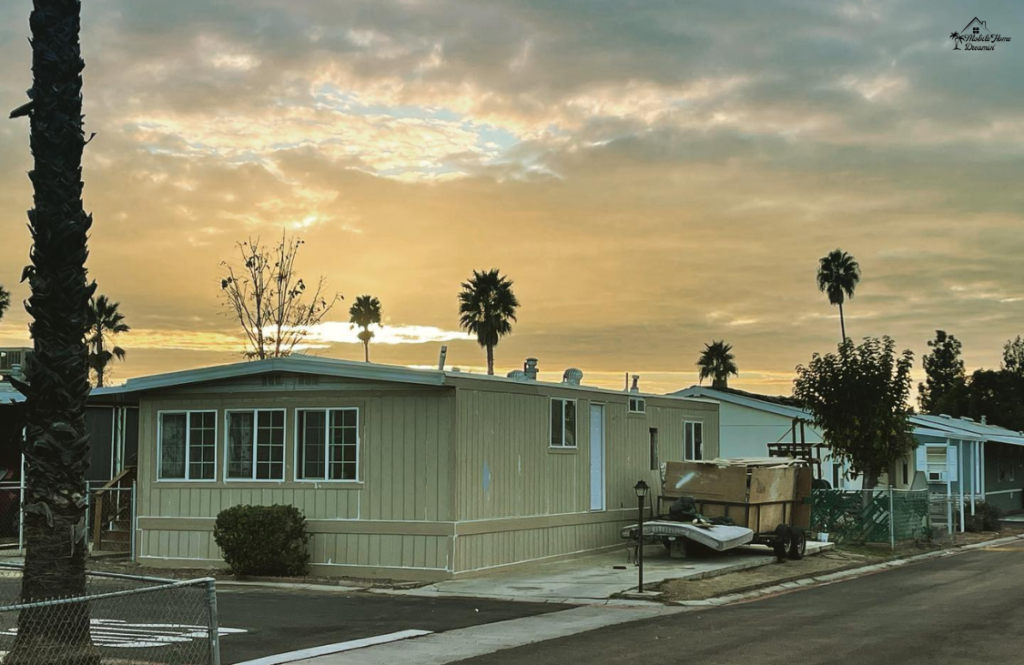
A devastating fire recently made headlines on Denise Drive in Newport, North Carolina, where a mobile home and 2 sheds were completely leveled. While the resident was away, the community mourned the loss of a beloved pet, and the homeowner was left to rebuild from nothing. Investigators believe the blaze was unintentional, a stark reminder that even a small oversight can lead to a total loss.
For mobile home owners in San Diego, this story is a wake-up call. The unique climate, characterized by dry Santa Ana winds and high wildfire risks, means that fire-proofing is critical. The strategy is a safety precaution and is necessary for protecting your equity as well.
Furthermore, if you want to sell to “we buy mobile homes for cash” companies, a fire-hardened home is significantly more attractive.
The Importance of Fire-Proofing Your San Diego Mobile Home
As mentioned, San Diego has a unique climate and geography that creates a high-risk environment for fires. The prevalence of wildland-urban interface areas also increases this risk.
Unlike traditional stick-built homes, older mobile homes can be more vulnerable to rapid fire spread if they haven’t been retrofitted with modern, fire-resistant materials. By hardening your home now, you’re adapting to the local climate and ensuring that your property remains a safe, insurable asset despite California’s strict fire safety regulations.
How to Enhance Your Mobile Home’s Safety and Protection?
Hardening Your Home
Home hardening refers to using construction materials and installation techniques that resist ignition from flying embers or radiant heat. Specific vulnerabilities to be addressed include:
- Ember-resistant venting: Most older mobile homes have standard vents that allow embers to get sucked into the crawlspace or attic. Upgrading to ⅛-inch metal mesh screening is a low-cost way to block these sparks.
- Class A roofing: If you’re due for a roof replacement, opt for Class A-rated materials like metal or fiberglass-based asphalt shingles. In California’s wildfire zones, these are often the difference between a standing home and a pile of ash.
- Skirting and decks: Never store combustible materials directly against your home. Use non-combustible skirting like fiber cement or brick to seal the unit’s underside.
Creating a Defensible Space
The fire on Denise Drive spread rapidly from the mobile home to outbuildings. To prevent this in a park setting or on private land, you must manage your defensible space.
Fire officials recommend a non-combustible zone immediately surrounding the home. This means clearing away firewood, plastic bins, dead leaves, wooden mulch, and dry brush. Replace these with gravel or river rock to create a natural firebreak that keeps the flames at a distance. You don’t need a massive yard to create this firebreak:
- Manage the first 5 feet around your home. Remove and replace all combustible items.
- Use non-combustible skirting to protect your home.
Why Fire Safety Matters to Mobile Home Buyers?
If you’re considering “sell my mobile home for cash,” you might be looking for a quick sale.
Cash buyers, like Mobile Home Dreamin, specialize in purchasing homes in various conditions, but they are also risk-averse investors. A home that has been upgraded with fire-resistant features offers several advantages that can drive up your offer:
- Lower insurance barriers: Getting insurance for mobile homes in high-risk zones in California is difficult. A home that’s already fire-hardened is much easier for a buyer to insure, making the deal close faster.
- Reduced liability: San Diego mobile home cash buyers often look for turn-key rentals or quick flips. If they don’t have to spend $10,000 retrofitting the home for fire safety, they will be eager to complete the deal.
- Peace of mind: Highlighting your fire-proofing efforts (smart smoke detectors, dual-pane tempered glass windows, and clear defensible space) signals to a buyer that the home has been meticulously maintained.
The tragedy on Denise Drive reminds us that fire doesn’t wait for a convenient time. While it might be winter and not the wildfire season in California, when or where tragedy might strike is hard to predict.
Moreover, you might plan to live in your San Diego home for decades, or sell it to a cash buyer tomorrow. Either way, fireproofing is the smartest investment you can make. It protects your life, your pets, and your financial future.
FAQs:
- What is the most fireproof material for a house?
Concrete is the most fireproof material for a house. For mobile homes, fire-resistant materials like mineral wool or fiberglass are the best option.
- What is the most common cause of mobile home fires?
The most common causes of mobile home fires include heating system issues and malfunctioning electrical systems.
- What is the 30/30/30 rule for fire?
The 30-30-30 rule is a simple way to gauge wildfire risk: when it’s 30°C+ (86°F), humidity is 30% or lower, and winds are blowing over 30 km/h (19 mph), high-risk conditions are brewing. Fuels dry out fast, fires spread quickly, and control gets tough.