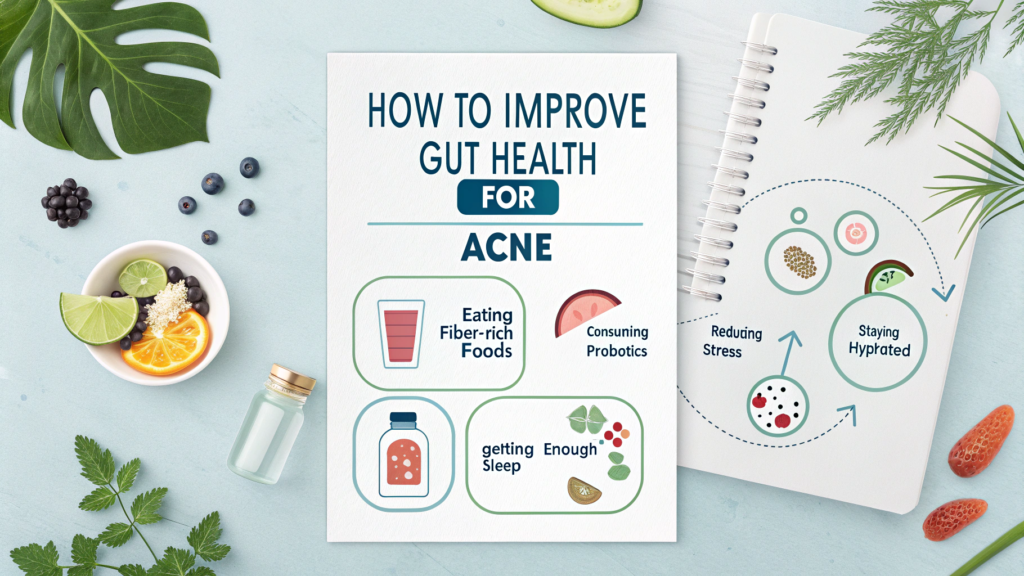
Gut health plays a crucial role in skin conditions like acne, as imbalances in the digestive system can trigger inflammation that manifests on the face. Improving your gut microbiome through diet, lifestyle changes, and professional guidance can lead to clearer skin over time. This guide explores practical steps, backed by science, and highlights why consulting a gastroenterologist in Noida could be your next best move for personalized care.
Understanding the Gut-Skin Connection
The gut-skin axis links your digestive tract to skin health via the microbiome—trillions of bacteria influencing immunity and inflammation. Poor gut health, such as leaky gut or dysbiosis, allows toxins to enter the bloodstream, promoting acne-causing inflammation and excess sebum production.
Studies show that 70-80% of the immune system resides in the gut, where imbalances like low beneficial bacteria contribute to hormonal acne. In India, where diets high in processed foods exacerbate this, addressing gut issues often clears stubborn breakouts.
Probiotics and prebiotics restore this balance, reducing acne lesions by up to 30% in clinical trials. If symptoms persist, a gastroenterologist in Noida can diagnose underlying issues like IBS or GERD, common triggers for skin woes.
Dietary Changes for Better Gut Health
Start with a fiber-rich, anti-inflammatory diet to feed good gut bacteria. Include fermented foods like yogurt, kefir, and idli daily—these deliver live probiotics that combat harmful bacteria linked to acne.
Cut sugar and refined carbs, which feed bad bacteria and spike insulin, worsening acne. Opt for whole grains, vegetables (broccoli, spinach), and fruits (berries, apples) high in prebiotic fibers.
A sample daily meal plan:
- Breakfast: Oats with chia seeds and curd.
- Lunch: Dal, brown rice, and leafy greens.
- Snack: Buttermilk or kimchi.
- Dinner: Grilled fish or paneer with quinoa salad.
Hydrate with 3-4 liters of water daily to support digestion. Avoid triggers like dairy if lactose intolerant, as it disrupts gut flora.
Probiotics and Supplements
Supplement with high-quality probiotics containing Lactobacillus and Bifidobacterium strains, proven to reduce acne by modulating inflammation. Aim for 10-50 billion CFUs daily, taken with meals for better absorption.
Prebiotic supplements like inulin from chicory root nourish existing gut bacteria. Omega-3s from fish oil calm systemic inflammation, linking gut repair to smoother skin.
Combine with zinc (15-30mg/day) and vitamin D, as deficiencies impair gut barrier function and exacerbate acne. Always consult a doctor before starting, especially if you have digestive disorders.
Lifestyle Habits to Support Gut Repair
Prioritize 7-9 hours of sleep nightly—poor sleep disrupts the gut microbiome, increasing acne flare-ups. Practice stress management via yoga or meditation, as cortisol harms gut lining.
Exercise moderately, like 30-minute walks, to boost gut motility and diversity. Chewing food thoroughly aids digestion, reducing bloating that indirectly affects skin.
Eliminate smoking and limit alcohol, both of which damage gut bacteria. Track progress with a 4-week journal noting diet, skin changes, and bowel habits.
When to See a Gastroenterologist
Persistent acne despite lifestyle tweaks signals deeper gut issues like SIBO, IBS, or H. pylori infection, best diagnosed by a specialist. A gastroenterologist in Noida can perform endoscopies, stool tests, or breath tests for accurate insights.
Experienced gastroenterologists in Noida offer advanced diagnostics for gut disorders commonly linked to acne, providing tailored treatments like customized probiotics.
Other renowned options include specialists with expertise in ERCP, EUS, colonoscopies, and IBD management, integrating gut care with skin health advice.
Step-by-Step Gut Health Protocol for Acne
Follow this 30-day plan for visible results:
- Days 1-7 (Detox): Eliminate sugar, gluten, dairy. Introduce bone broth for gut lining repair.
- Days 8-14 (Rebuild): Add 2 probiotic servings daily + fiber from psyllium husk.
- Days 15-21 (Balance): Incorporate intermittent fasting (12-14 hours) to reset microbiome.
- Days 22-30 (Maintain): Test spices like turmeric (curcumin) for anti-inflammatory effects.
Monitor acne via weekly photos. If no improvement, book with a gastroenterologist in Noida for tests like Fibroscan or biopsies.shardacare+1
| Gut Issue | Acne Link | Specialist Fix |
| IBS | Inflammation spikes | Endoscopy diagnostics |
| GERD | Toxin leakage | Routine OPD management |
| SIBO | Bacterial overgrowth | Advanced procedures |
| Leaky Gut | Systemic irritation | Targeted supplements |
Common Myths Debunked
Myth: Acne is purely topical—ignore gut. Fact: Gut dysbiosis drives 40% of cases; heal inside for lasting results.
Myth: Antibiotics fix everything. Fact: They worsen gut imbalance, prolonging acne—use sparingly.
Myth: All probiotics work. Fact: Strain-specific ones (e.g., L. rhamnosus) target acne best.
Long-Term Maintenance Tips
Sustain gains with seasonal gut resets, like monsoon detoxes using neem. Rotate probiotics quarterly to avoid resistance.
Partner with a gastroenterologist in Noida for annual check-ups, especially if family history includes GI issues. Local experts provide holistic care, blending modern diagnostics with personalized plans.
Track biomarkers like calprotectin via stool tests for ongoing monitoring. Combine with topical care (salicylic acid) for synergy.
Final Thoughts on Transformation
Improving gut health isn’t overnight magic but yields radiant, acne-free skin through consistent effort. From dietary shifts to expert intervention by a gastroenterologist in Noida, embrace this gut-first approach for skin that glows from within.