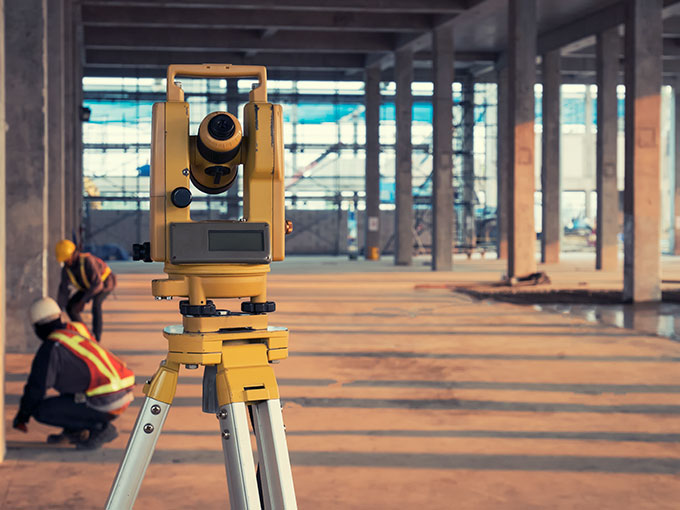
Measured building surveying is often seen as a purely technical discipline, focused on dimensions, drawings, and data accuracy. Yet behind the laser scanners and floor plans lies a surprisingly human impact. The work of measured building surveyors influences not only financial outcomes but also emotional responses such as confidence, stress, and trust. From property developers and architects to homeowners and investors, the quality of a survey can shape both mood and money in powerful ways.
Understanding the Role of Measured Building Surveyors
Measured building surveyors are responsible for capturing precise spatial data of buildings and structures. Their surveys form the foundation for renovations, extensions, restorations, valuations, and even legal disputes. Every decision that follows, including design feasibility, budgeting, and compliance, depends on the reliability of their measurements. When survey data is accurate and clearly presented, it creates a sense of control and clarity for all stakeholders involved.
Accuracy and Psychological Confidence
One of the strongest psychological effects of a professional measured survey is confidence. Accurate drawings reduce uncertainty, which is a major source of stress in construction and property projects. Architects feel more assured when designing, contractors trust the specifications, and clients feel calmer knowing fewer surprises lie ahead. This confidence translates into smoother communication, fewer conflicts, and a more positive overall experience.
On the other hand, poor or incomplete surveys can trigger anxiety. When measurements are questioned or inconsistencies arise, doubts spread quickly. Stakeholders may worry about hidden costs, design errors, or project delays. This mental strain can erode trust and damage professional relationships long before any physical work begins.
The Financial Impact of Precision
From a financial perspective, the value of measured building surveyors is significant. Accurate surveys help prevent costly mistakes such as misaligned designs, incorrect material quantities, or planning rejections. Even small measurement errors can lead to expensive redesigns or on-site alterations, inflating budgets and timelines.
Investors and developers rely on survey data to assess viability and return on investment. A clear understanding of usable space, structural constraints, and layout efficiency directly influences property value. By providing reliable information upfront, surveyors help clients make smarter financial decisions and avoid unnecessary risk.
Reducing Conflict and Hidden Costs
One overlooked benefit of measured building surveying is its role in conflict prevention. Many disputes in construction and property development stem from unclear or inaccurate documentation. When survey drawings are detailed and transparent, there is less room for misinterpretation. This clarity reduces disagreements between designers, contractors, and clients, saving both money and emotional energy.
In legal or insurance cases, measured surveys can also serve as objective evidence. Their neutrality and accuracy help resolve disputes more quickly, lowering legal expenses and emotional stress for all parties involved.
Emotional Influence on Homeowners and End Users
For homeowners, measured building surveys can be deeply personal. A home renovation or extension is often tied to emotional goals such as comfort, security, and lifestyle improvement. A professional survey reassures homeowners that their vision is achievable within the existing structure. This reassurance can replace fear of the unknown with excitement and optimism.
Conversely, unexpected findings from a survey, such as space limitations or structural irregularities, can initially cause disappointment. However, when communicated clearly and constructively, these insights allow homeowners to adjust expectations early, preventing greater frustration later in the project.
Trust, Communication, and Professional Perception
The way surveyors communicate their findings plays a major role in shaping mood. Clear explanations, well-organized drawings, and timely delivery foster trust and satisfaction. Clients feel respected and involved when technical information is translated into understandable insights.
Surveyors who fail to communicate effectively may unintentionally create tension, even if their measurements are correct. This highlights the psychological aspect of surveying, where interpersonal skills are just as important as technical expertise.
Long-Term Value Beyond the Project
The influence of measured building surveyors often extends beyond a single project. Accurate surveys become long-term assets, reused for future renovations, valuations, or sales. This ongoing usefulness enhances their financial value and reinforces positive perceptions of the surveying process.
From a psychological standpoint, knowing that reliable documentation exists provides long-term peace of mind. Property owners feel more secure about their asset, while professionals appreciate having dependable reference material.
Why Mood and Money Are Closely Linked
Mood and money are deeply connected in property projects. Stress, uncertainty, and mistrust often lead to rushed decisions and financial inefficiencies. Measured building surveyors help break this cycle by replacing guesswork with facts. Their work creates a stable foundation where rational decision-making can thrive, benefiting both emotional wellbeing and financial outcomes.
Conclusion:
Measured building surveyors do far more than measure spaces. They influence confidence, reduce stress, prevent conflict, and protect financial investments. By delivering accurate data and clear communication, they positively affect both the mood of stakeholders and the monetary success of projects. In a world where property decisions carry high emotional and financial stakes, the psychological value of professional Measured Survey Brighton is just as important as its technical precision.