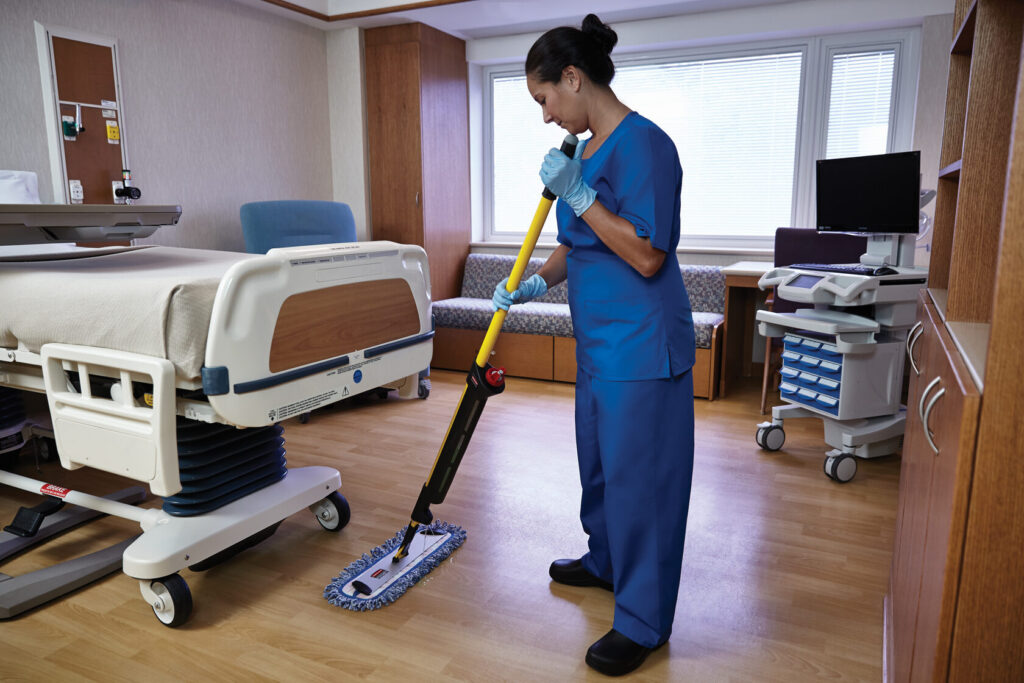
Hospital cleaning
Hospitals never truly rest. Patients arrive at all hours staff move quickly between rooms and equipment changes hands dozens of times a day. In this constant motion cleanliness becomes more than a routine task. It becomes a shield. Strong surgery and hospital cleaning standards protect lives reduce risks and keep healthcare systems functioning without added strain.
A hospital does not work like an office or a retail space. Germs spread faster. Surfaces see heavier use. Many patients carry weakened immune systems. If cleaning slips even slightly the consequences can turn serious. That reality places cleaning teams at the centre of patient safety even if their work often stays unseen.
Cleanliness Links Directly to Patient Recovery
Infections caught inside hospitals create real problems. They slow recovery increase treatment costs and place emotional stress on patients and families. Many of these infections come from contact with contaminated surfaces such as bed rails bedside tables medical tools or shared equipment.
Surgery and hospital cleaning focuses on stopping that chain of transmission. Cleaners do not just remove visible dirt. They target invisible threats. Disinfecting touchpoints sanitising equipment and managing waste correctly all lower the risk of harmful bacteria spreading from one person to another.
A clean environment also improves patient confidence. When rooms look and smell clean patients feel safer. That sense of comfort matters more than many people realise.
Different Hospital Areas Need Different Standards
Not every space inside a hospital carries the same risk. A one size approach does not work here. High risk zones demand intense focus and strict routines.
Operating theatres intensive care units and isolation rooms require meticulous cleaning. Staff clean these areas several times a day. They use approved disinfectants and follow precise methods. Even small mistakes can lead to serious outcomes.
Wards treatment rooms and outpatient clinics fall into a moderate risk category. These areas still need frequent cleaning especially on shared surfaces. Waiting rooms and corridors while lower risk still require attention to prevent cross contamination. Clear separation between these zones allows surgery and hospital cleaning teams to work efficiently without cutting corners.
Training Matters More Than Speed
Cleaning staff in hospitals need more than basic instruction. They must understand how infections spread and how their actions affect patient health. Training covers correct product use surface contact times and safe handling of contaminated materials.
Personal protective equipment plays a major role. Gloves masks and gowns protect cleaners while they work. Proper training ensures staff use this equipment correctly rather than treating it as an inconvenience.
Good training also builds confidence. When cleaners understand the reasons behind each step they work with purpose instead of rushing through tasks.
The Right Tools Prevent Hidden Problems
Hospital grade cleaning products differ from household cleaners. These products must kill a wide range of pathogens without damaging equipment or harming patients. Using the wrong chemical can create as many problems as it solves.
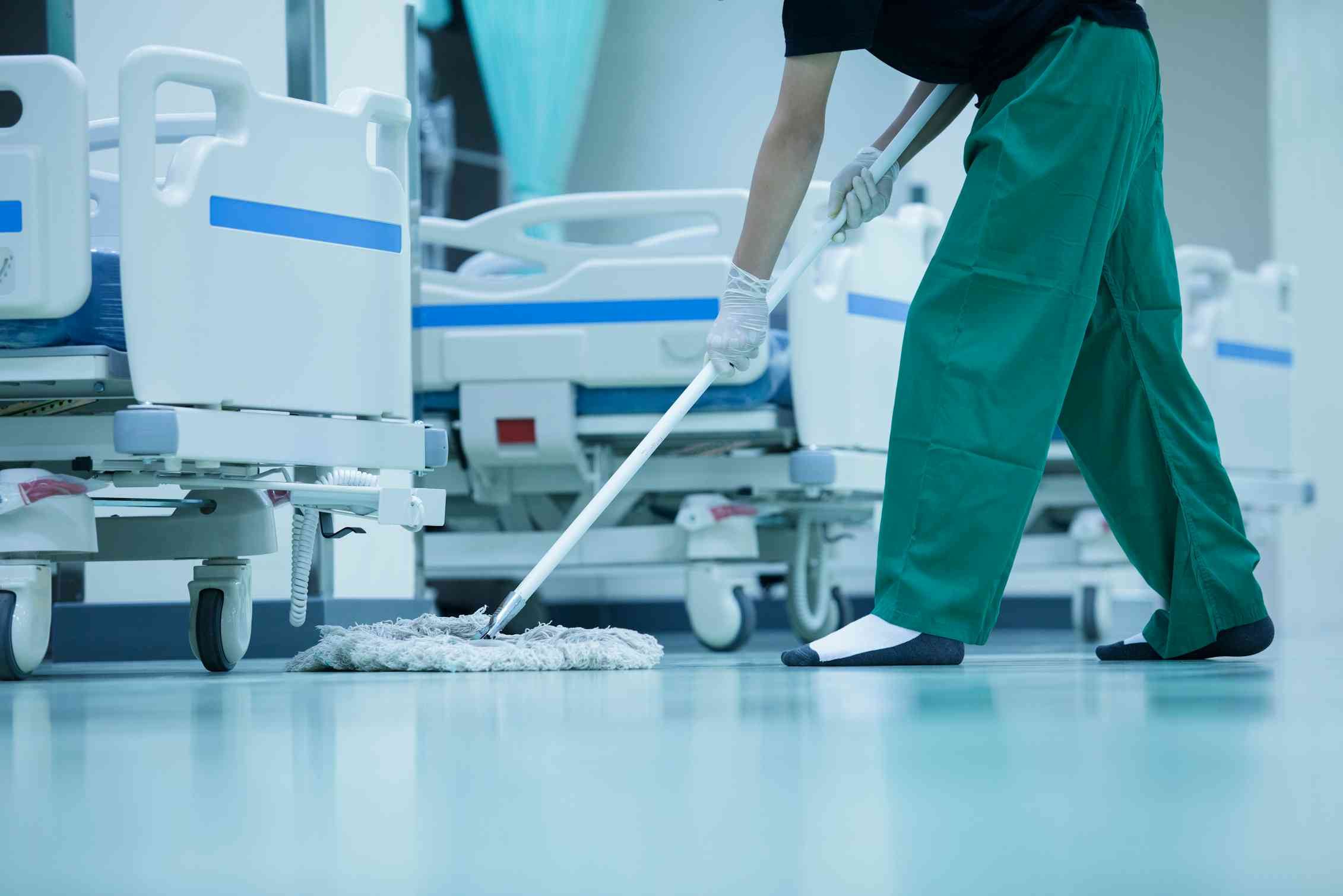
Colour coded cloths and mops reduce cross contamination. A cloth used in a bathroom never enters a patient room. This simple system prevents mistakes that could spread bacteria across departments.
Modern equipment helps too. Floor scrubbers steam cleaners and air filtration systems support consistent hygiene without exhausting staff. Well maintained tools lead to better results and fewer missed areas.
Waste Handling Protects Everyone
Waste creates one of the biggest risks in healthcare settings. Sharps contaminated dressings and medical waste require careful handling. One careless action can cause injury or infection.
Clear labelling and secure containers keep waste under control. Regular removal prevents overflow and exposure. Cleaning teams receive training to identify waste types and follow strict disposal rules.
Proper waste management protects patients staff and even those who handle waste after it leaves the hospital. Every step in the process matters.
Monitoring Keeps Standards from Slipping
Strong cleaning standards need regular checks. Without oversight small issues grow quietly. Hospitals that value cleanliness conduct routine inspections and audits.
Supervisors review cleaning schedules observe procedures and address gaps quickly. Documentation supports accountability and helps hospitals meet regulatory requirements.
Patient and staff feedback adds another layer of insight. When people speak up about cleanliness concerns hospitals can respond before problems escalate.
Adapting to Changing Health Risks
Healthcare does not stand still. New illnesses emerge. Guidelines evolve. Seasonal outbreaks place extra pressure on facilities. Surgery and hospital cleaning teams must adapt without hesitation.
During periods of increased risk cleaning frequency rises. Extra disinfection steps come into play. Hospitals with strong systems already in place handle these changes with less disruption. Flexibility keeps hospitals resilient. Rigid systems fail when conditions shift.
Conclusion
Hospital cleaning standards shape the safety of everyone inside the building. Patients rely on them during recovery. Staff depend on them during long shifts. Surgery and hospital cleaning forms a silent barrier against infection injury and unnecessary risk.
When hospitals invest in trained teams clear procedures proper tools and regular oversight they protect more than surfaces. They protect people. Clean hospitals support better outcomes smoother operations and stronger trust. That responsibility deserves attention respect and consistent effort every single day.
Visit topnewstoday for more informative blogs.