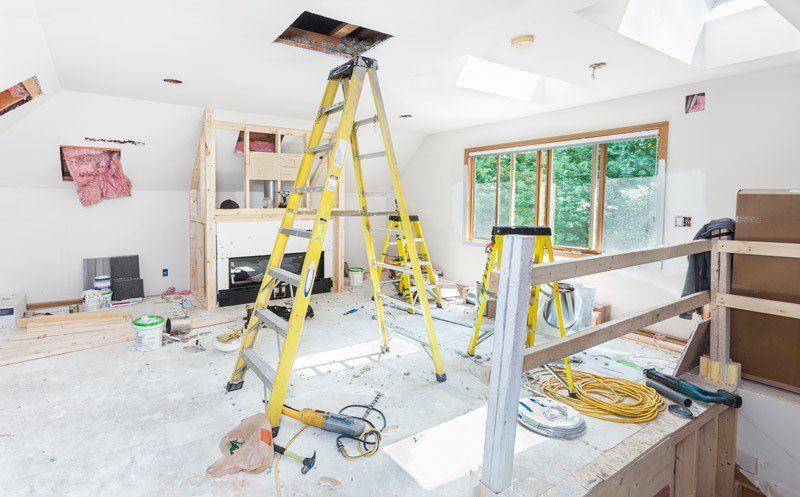
Home remodeling is more than a cosmetic upgrade. It is a strategic investment in comfort, function, and long-term property value. Homeowners remodel to improve daily living, fix outdated layouts, and adapt spaces to changing needs. At the same time, remodeling allows personal style to shine through every corner of the home.
In today’s housing market, home remodeling has become a practical alternative to moving. Instead of buying a new house, many homeowners choose to reimagine their current space. As a result, remodeling delivers familiarity, customization, and cost control in one process.
Understanding the True Value of Home Remodeling
Home remodeling adds value in multiple ways. First, it improves functionality and comfort. Second, it increases resale appeal and market competitiveness. Finally, it enhances energy efficiency and safety.
Moreover, remodeling allows homeowners to prioritize specific goals. Some focus on aesthetics, while others target structural or efficiency upgrades. Because of this flexibility, remodeling fits both short-term enjoyment and long-term planning.
Financial Benefits Beyond Appearance
Remodeling often provides a strong return on investment. Kitchens and bathrooms usually deliver the highest resale value. However, smart layout changes also attract buyers.
In addition, energy-efficient upgrades reduce monthly utility costs. Over time, these savings offset a portion of remodeling expenses. Therefore, remodeling becomes both a lifestyle and financial decision.
Planning a Successful Home Remodeling Project
Every successful remodeling project starts with a clear plan. Without planning, costs rise quickly and timelines slip. A defined scope keeps decisions focused and stress manageable.
Start by identifying priorities. Decide which rooms need improvement first. Then, set realistic expectations for budget and schedule.
Setting Clear Goals and Budget
Goals guide every remodeling choice. Some homeowners want modern design, while others need more space. Clear goals prevent unnecessary changes during construction.
Budget planning follows goal setting. Always include a contingency buffer. Unexpected issues often appear during remodeling. Because of this, flexible budgeting ensures smoother progress.
Choosing the Right Areas to Remodel
Not all remodeling projects deliver equal impact. Some rooms influence daily life more than others. Therefore, prioritization matters.
High-traffic spaces usually deserve attention first. Kitchens, bathrooms, and living areas fall into this category. However, bedrooms and basements also offer strong improvement opportunities.
Kitchen Remodeling for Everyday Efficiency
The kitchen serves as the heart of the home. Remodeling this space improves workflow, storage, and visual appeal. Open layouts and modern cabinets remain popular choices.
In addition, updated appliances enhance energy efficiency. Improved lighting also boosts usability and ambiance. Consequently, kitchen remodeling delivers both comfort and value.
Bathroom Remodeling for Comfort and Style
Bathrooms influence daily routines and relaxation. Remodeling adds comfort through better layouts and modern fixtures. Walk-in showers and improved ventilation are common upgrades.
Furthermore, durable materials reduce maintenance needs. As a result, bathrooms become both stylish and practical spaces.
Structural and Layout Improvements
Sometimes, remodeling goes beyond surface changes. Structural improvements redefine how a home functions. Removing walls or adding rooms transforms daily living.
Layout changes improve flow and maximize usable space. Open concepts create connection, while defined zones add privacy. Therefore, layout decisions should align with lifestyle needs.
Expanding Living Space Strategically
Home additions increase square footage and functionality. Common additions include family rooms, home offices, and extra bedrooms. These expansions support growing families and remote work needs.
However, additions require careful planning. Zoning, foundation, and structural integrity must align. With proper planning, expansions integrate seamlessly into existing designs.
Energy Efficiency and Sustainability in Remodeling
Modern remodeling focuses heavily on efficiency. Energy-efficient upgrades reduce environmental impact and operating costs. Because of rising energy prices, efficiency has become essential.
Insulation, windows, and HVAC systems offer major efficiency gains. Even small improvements contribute to long-term savings.
Smart Material and System Choices
Choosing sustainable materials supports durability and efficiency. Low-maintenance finishes reduce long-term upkeep. Meanwhile, smart home systems optimize energy use.
As technology advances, homeowners gain more control over energy consumption. Therefore, efficiency-focused remodeling improves comfort and responsibility simultaneously.
Design Trends Shaping Modern Home Remodeling
Design trends evolve constantly. However, functionality remains the foundation of good design. Modern remodeling balances style with practicality.
Neutral palettes, natural textures, and clean lines dominate current trends. These choices create timeless appeal and adaptability.
Blending Personal Style with Timeless Design
Trends should inspire, not dictate decisions. Personal style ensures long-term satisfaction. Timeless elements prevent designs from feeling outdated quickly.
By blending trends with classic features, homeowners achieve lasting beauty. This approach protects both enjoyment and resale value.
Managing the Remodeling Process Effectively
Remodeling involves multiple stages. Clear communication keeps projects on track. Regular updates prevent misunderstandings and delays.
Scheduling also plays a critical role. Coordinating trades efficiently minimizes downtime. As a result, projects finish faster and smoother.
Avoiding Common Remodeling Mistakes
Many homeowners underestimate timelines and costs. Others change plans mid-project. These issues increase stress and expenses.
To avoid problems, stick to the original plan. Make decisions early and trust the process. Preparation always reduces complications.
Long-Term Maintenance After Remodeling
Remodeling does not end when construction finishes. Proper maintenance preserves results and protects investment. Simple routines prevent premature wear.
Regular inspections identify small issues early. Addressing them quickly avoids larger repairs later. Consequently, remodeled spaces remain functional and attractive.
Protecting Your Remodeling Investment
Use recommended cleaning methods for new materials. Avoid harsh chemicals that damage finishes. Follow maintenance guidelines for appliances and systems.
By caring for remodeled spaces, homeowners extend their lifespan. This approach ensures lasting value and enjoyment.
Why Home Remodeling Is a Smart Lifestyle Choice
Home remodeling adapts living spaces to evolving needs. Families grow, work habits change, and priorities shift. Remodeling allows homes to evolve alongside lifestyles.
Moreover, remodeling strengthens emotional connection to a home. Personalized spaces foster comfort and pride. Therefore, remodeling supports both practical and emotional well-being.
Creating a Home That Works for You
A well-remodeled home supports daily routines effortlessly. Spaces feel intuitive, comfortable, and efficient. This harmony improves quality of life.
When done thoughtfully, remodeling delivers lasting satisfaction. It transforms houses into truly functional homes.
Final Thoughts on Home Remodeling
Home remodeling represents opportunity and transformation. With careful planning, it improves comfort, value, and efficiency. Each decision shapes how a home feels and functions.
By focusing on goals, design, and maintenance, homeowners achieve meaningful results. Ultimately, remodeling creates spaces that support life today and tomorrow.