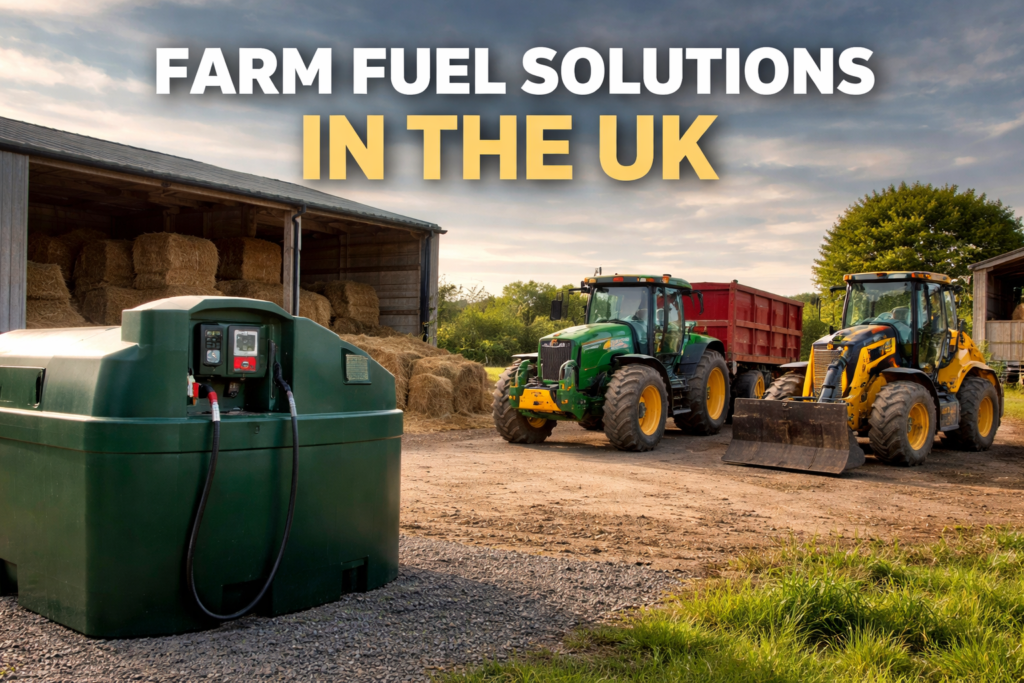
Agriculture in the United Kingdom has always been built on resilience, innovation, and hard work. From the rolling fields of Yorkshire to the dairy farms of Devon and Cornwall, today’s farmers rely heavily on fuel to keep operations running smoothly. Tractors, harvesters, generators, irrigation systems, grain dryers, and heating units all depend on reliable energy sources.
Yet fuel is no longer just a running cost — it’s a strategic decision.
With rising prices, changing regulations, sustainability goals, and unpredictable supply chains, farm fuel solutions in the UK have evolved far beyond simply ordering red diesel. Modern farmers are now looking for smarter, cleaner, and more efficient ways to power their businesses.
This article explores the current farm fuel landscape in the UK and how agricultural businesses can make informed choices to improve productivity while controlling costs.
Understanding Today’s Farm Fuel Needs
Every farm is unique, but most agricultural operations rely on fuel in three main areas:
Machinery and Vehicles
Tractors, combines, telehandlers, sprayers, and farm vehicles remain the backbone of British agriculture. Diesel continues to dominate, particularly for heavy machinery, due to its torque and reliability.
Heating and Power Generation
Many farms use fuel for space heating, poultry sheds, greenhouses, workshops, and on-site generators. Oil-based systems are still common in rural areas where mains gas is unavailable.
Seasonal Demand
Fuel usage spikes during planting and harvest seasons. Having guaranteed access during these peak periods is critical — even short delays can affect crop quality and profitability.
Red Diesel and Agricultural Use in the UK
Red diesel has historically been the primary fuel for farming due to its lower tax rate. While regulations changed in 2022 for many industries, agriculture retained eligibility, recognising farming as an essential sector.
For farmers, this means red diesel remains a cost-effective option for:
-
Agricultural machinery
-
Crop production
-
Livestock operations
-
Forestry and land management
However, compliance matters. Fuel must only be used in permitted vehicles and equipment, and accurate records should be maintained.
Bulk Fuel Storage: Taking Control of Supply
One of the most effective ways UK farmers manage fuel costs is through on-site bulk storage.
Benefits of Bulk Storage
-
Lower per-litre pricing by ordering larger volumes
-
Protection against price fluctuations
-
Immediate availability during busy seasons
-
Reduced downtime caused by refuelling trips
Modern fuel tanks come with built-in security features, digital gauges, and monitoring systems, allowing farmers to track usage and prevent theft.
Above-ground and bunded tanks are particularly popular due to their ease of installation and compliance with environmental standards.
Fuel Management Systems: Smarter Farming Starts Here
Technology is reshaping how farms consume energy.
Fuel management systems now allow operators to:
-
Monitor consumption by vehicle or operator
-
Identify inefficiencies
-
Prevent unauthorised usage
-
Generate reports for accounting and compliance
These systems are especially valuable for larger farms and agricultural contractors running multiple machines across different sites.
By understanding where fuel goes, farmers gain real insight into operational costs — turning fuel from a guessing game into a measurable asset.
Sustainable Farm Fuel Solutions
Sustainability is no longer optional. UK farmers are increasingly adopting greener energy practices, driven by environmental responsibility, customer expectations, and government incentives.
HVO (Hydrotreated Vegetable Oil)
HVO is gaining traction as a cleaner diesel alternative. It can reduce carbon emissions significantly and works in many existing diesel engines without modification.
For farms looking to lower their carbon footprint without replacing machinery, HVO offers a practical transition fuel.
Biodiesel
Produced from vegetable oils and animal fats, biodiesel blends are another option. While not suitable for all engines, they can provide emission reductions when used correctly.
Renewable Energy Integration
Many UK farms are combining fuel solutions with renewable energy sources such as:
-
Solar panels on barns and sheds
-
Wind turbines on open land
-
Biomass boilers for heating
These hybrid approaches help reduce reliance on fossil fuels while stabilising long-term energy costs.
Planning for Price Volatility
Fuel pricing has become increasingly unpredictable. Global events, supply disruptions, and currency fluctuations all affect UK agricultural fuel costs.
Smart farmers adopt forward-thinking strategies such as:
-
Ordering in advance of peak seasons
-
Monitoring market trends
-
Using fixed-price agreements where available
-
Keeping adequate on-site reserves
Planning ahead can make the difference between staying on budget and absorbing unexpected expenses.
Fuel Delivery and Reliability
Timely delivery is critical in agriculture. Delays during harvest or planting windows can have serious consequences.
Modern fuel suppliers now offer:
-
Scheduled deliveries
-
Emergency top-ups
-
GPS-tracked tankers
-
Real-time communication
Choosing a dependable supplier isn’t just about price — it’s about trust, consistency, and understanding the rhythms of farming life.
Safety and Compliance on the Farm
Fuel storage comes with responsibilities. UK regulations require farmers to follow environmental and safety standards to prevent spills, contamination, and fire risks.
Best practices include:
-
Using bunded tanks
-
Keeping tanks locked and clearly labelled
-
Installing spill kits
-
Training staff on safe handling
-
Regular equipment inspections
A well-maintained fuel system protects not only your farm but also nearby waterways and wildlife.
The Future of Farm Fuel in the UK
British agriculture is entering a new era. As technology advances and sustainability targets grow, fuel solutions will continue to evolve.
Electric machinery, hydrogen trials, and advanced biofuels are already on the horizon. While diesel remains dominant today, tomorrow’s farms will likely operate with a blend of traditional and renewable energy sources.
Forward-thinking farmers are already preparing by investing in infrastructure, embracing data-driven fuel management, and exploring greener alternatives.
Final Thoughts
Farm fuel solutions in the UK are no longer just about filling tanks. They’re about efficiency, resilience, sustainability, and long-term planning.
Whether you run a small family farm or a large agricultural operation, having the right fuel strategy can improve productivity, reduce costs, and future-proof your business.
From bulk storage and smart monitoring to cleaner fuels and renewable integration, today’s farmers have more options than ever before. The key is choosing solutions that fit your land, your workload, and your vision for the future.
Agriculture has always adapted — and fuel management is simply the next chapter in that proud British tradition.