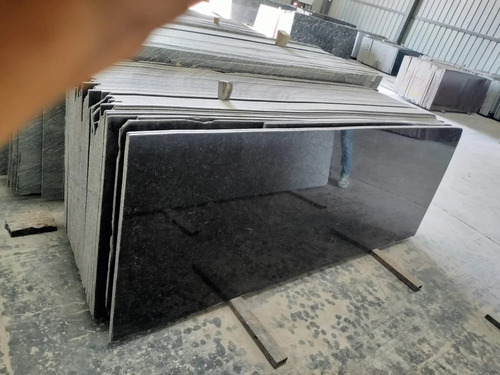
Thai black granite is often described as simple at first glance. A deep black surface, fine grain structure, and a smooth polished finish that looks elegant in almost any setting. But anyone who has worked closely with this stone knows the story is much deeper than that. Under proper light and after a good polish, the surface begins to reveal subtle shifts in reflection, tiny spark points, and a sense of movement that feels almost fluid.
Much of that visual behavior comes from crystal alignment inside the stone. It is something many buyers overlook when they are reviewing slabs quickly in a yard or warehouse. Yet this internal structure plays a big role in how Thai black granite slabs in bulk appear once they are installed across large floors, walls, or countertops.
Understanding crystal alignment is useful not just for designers but also for project managers and bulk buyers who plan to buy export quality granite slabs in bulk. When you understand what to look for, the selection process becomes much more precise and the final results are far more consistent.
The Geological Story Behind Crystal Alignment
Granite forms deep beneath the earth’s surface where molten rock cools slowly over long periods of time. During that cooling stage, minerals begin to crystallize and lock together. In Thai black granite, the main minerals involved are feldspar, quartz, and dark mica minerals. Because the cooling process is gradual, the crystals form tightly and often settle in patterns that follow subtle internal directions.
These directions are not always visible with the naked eye when the slab is rough cut. However, once the surface is polished the crystals interact with light and begin to reveal how they were aligned during formation.
This alignment is one reason the stone has such a smooth and even look compared with some other black granites that show larger visible speckles.
Why Crystal Direction Matters for Surface Appearance
When a slab of Thai black granite is polished, light hits the mineral crystals and reflects back toward the viewer. If the crystals are aligned evenly, the reflection appears smooth and consistent across the surface. If the alignment varies, the surface may show subtle changes in shine depending on viewing angle.
These changes are not flaws. In fact they add depth and life to the stone. But when slabs are used in large installations, uneven crystal alignment between slabs can become noticeable if they are not selected carefully.
This is why experienced buyers often inspect multiple pieces when sourcing thai black granite slabs in bulk rather than approving only one sample piece.
How Quarry Layers Influence Crystal Structure
Inside the quarry, different layers of stone can show slightly different crystal orientations. Some blocks may produce slabs with very uniform reflection while others reveal more dynamic light interaction.
A reliable natural stone supplier and exporter will usually sort blocks based on these characteristics. By separating blocks with similar crystal alignment patterns, they help maintain visual consistency for large projects.
Companies such as BBV Impex pay close attention to this stage because buyers who buy export quality granite slabs in bulk often require dozens or even hundreds of slabs that need to match visually once installed.
Cutting Direction and Its Effect on Crystal Reflection
The direction in which the block is cut plays an important role in how crystal alignment appears on the finished slab surface.
When the cut follows the natural orientation of the crystals, the surface often reflects light evenly and creates a very smooth polished look. When the cut moves across that alignment, the reflection may shift slightly depending on the angle from which the stone is viewed.
This is not necessarily negative. Some designers actually prefer the more dynamic reflection because it gives the stone subtle character without disturbing its overall dark appearance.
Still, consistency matters. When you buy export quality granite slabs in bulk, it is important that the slabs are cut in a consistent orientation to avoid visible differences after installation.
Polishing Brings Out the Crystal Behavior
Raw granite rarely shows the full beauty of its internal structure. During the polishing process, abrasive tools gradually smooth the surface until light can move freely across the mineral crystals.
With Thai black granite, a high quality polish enhances the way the crystals reflect light. The surface becomes glossy yet still maintains its deep dark tone. Tiny reflections may appear as you move around the slab, creating a sense of depth.
Poor polishing, on the other hand, can hide this effect and leave the surface looking flat or slightly cloudy. That is why finishing quality is extremely important when evaluating Thai black granite slabs in bulk.
Lighting Conditions Reveal Crystal Alignment
One interesting aspect of crystal alignment is that it responds strongly to lighting. In bright natural daylight the surface may appear almost mirror-like with small flashes of reflection from the mineral structure. In softer indoor lighting the same slab may look darker and more uniform.
Because of this behavior it is helpful to inspect slabs under different lighting conditions before final approval. Professional buyers who plan to buy export quality granite slabs in bulk often ask their natural stone supplier and exporter for photos taken outdoors in natural light as well as inside the warehouse.
This step helps ensure that the slabs will behave visually as expected once installed in the project environment.
Applications Where Crystal Alignment Becomes Visible
While crystal alignment is present in every slab, it becomes more noticeable in certain applications.
Large polished floors often reveal the effect because the surface area allows light to move across the stone continuously. Wall cladding in well lit spaces can also highlight the subtle reflection shifts created by the crystal structure.
Kitchen countertops tend to show the effect in smaller zones where overhead lighting interacts with the polished surface.
Designers sometimes take advantage of this behavior by positioning lighting in ways that highlight the natural sparkle of the stone.
Bulk Buying Requires Careful Slab Selection
When projects require thai black granite slabs in bulk, careful slab selection becomes essential. Even though the stone generally looks uniform, slight differences in crystal alignment can appear when many slabs are placed side by side.
Professional natural stone supplier and exporter companies typically organize slabs from the same block together. This approach helps maintain consistent crystal orientation across large installations.
BBV Impex follows similar practices by grouping slabs based on block origin and visual characteristics before shipment. Buyers who need to buy export quality granite slabs in bulk benefit greatly from this level of organization.
Transport and Handling Also Matter
Crystal alignment itself does not change after the slab is cut, but handling and polishing quality during fabrication can influence how clearly the crystal reflections appear.
Improper handling can create surface scratches that interrupt the reflection pattern. Poor polishing may leave micro marks that dull the shine.
This is why bulk buyers should work with suppliers who use careful packing methods and strong protective materials during shipping. A dependable natural stone supplier and exporter understands that preserving the polished surface is just as important as selecting the right blocks.
Long Term Performance of the Surface
One advantage of Thai black granite is its durability. The dense crystal structure resists scratches and surface wear better than many softer stones. Because the crystals are tightly packed, the polished surface tends to maintain its reflective quality for many years.
Regular cleaning with mild stone safe products helps maintain the shine and keeps the crystal reflections visible. With proper care the surface will continue to show the same depth and subtle sparkle long after installation.
Why Designers Appreciate This Stone
Designers often prefer materials that combine visual strength with subtle detail. Thai black granite offers exactly that balance. From a distance the surface looks clean and powerful. Up close the crystal alignment reveals fine details that make the stone feel alive.
This dual character makes it suitable for modern interiors as well as more traditional spaces.
When projects require dependable supply, designers frequently ask contractors to source thai black granite slabs in bulk from experienced exporters who can maintain consistent quality.
Choosing the Right Supplier
For large orders the experience of the supplier can determine whether the final installation looks uniform or patchy. A professional natural stone supplier and exporter understands the importance of block selection, consistent cutting, proper polishing, and careful packing.
BBV Impex has developed strong relationships with quarry operators and processing units which helps maintain stable supply and consistent quality. Buyers who plan to buy export quality granite slabs in bulk often value this reliability because it reduces risks during large construction projects.
Final Thoughts
Crystal alignment inside Thai black granite might not be visible at first glance, but it plays a key role in how the surface interacts with light and how the stone feels once installed. The subtle reflections created by the mineral structure give the granite its depth and quiet elegance.
For architects, builders, and designers who want predictable results, understanding this characteristic is extremely useful. Careful slab selection, consistent cutting direction, and high quality polishing ensure that the beauty of the crystal alignment is preserved.
When sourcing thai black granite slabs in bulk, working with a knowledgeable natural stone supplier and exporter such as BBV Impex can make a significant difference. With the right approach, the finished surface will not only look strong and sophisticated but will also reveal the fine natural details that make granite such a remarkable material.