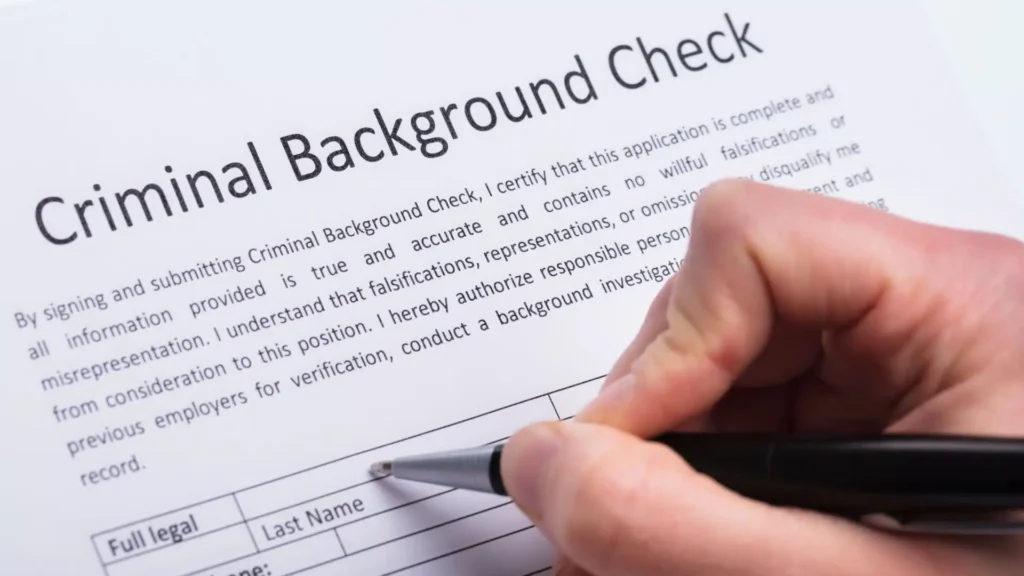
In a world where trust, safety, and accountability are more important than ever, verifying an individual’s past has become a standard practice across many sectors. A criminal history check is one of the most widely used screening tools to assess potential risks before making critical decisions. Employers, landlords, institutions, and government bodies rely on this process to create safer environments and reduce legal and reputational risks.
This comprehensive article explains the meaning, importance, process, legal considerations, benefits, challenges, and future of criminal history checks. By understanding how this screening works and how it should be applied ethically, organizations and individuals can make informed decisions while respecting fairness and privacy.
What Is a Criminal History Check?
A criminal history check is a formal process used to determine whether an individual has been involved in criminal activity. It involves reviewing records maintained by law enforcement agencies, courts, or authorized government databases. These records may include convictions, arrests, charges, or pending cases, depending on jurisdiction and legal access.
The purpose of a criminal history check is not to judge a person solely by their past, but to provide relevant information that supports informed decision-making. When used responsibly, it helps balance safety concerns with fairness and rehabilitation.
Why Criminal History Check Is Important
The importance of a criminal history check lies in risk prevention and public safety. Organizations that fail to conduct proper screening may unknowingly place people, assets, or sensitive information at risk. In workplaces, this can lead to misconduct, theft, or violence, all of which can have serious consequences.
Beyond safety, a criminal history check supports legal compliance. Many industries are required by law to screen individuals for certain roles. Conducting these checks demonstrates due diligence and protects organizations from negligence claims and reputational damage.
Common Situations Where Criminal History Checks Are Used
A criminal history check is commonly used during employment screening, especially for roles involving trust, authority, or access to vulnerable populations. Healthcare workers, teachers, security personnel, and financial professionals are often subject to mandatory checks.
Landlords use criminal history checks to assess tenant suitability and maintain safe living environments. Government agencies rely on them for licensing, immigration, and public service roles. Volunteer organizations also conduct these checks to protect children, elderly individuals, and other vulnerable groups.
Types of Criminal Records Included in a Criminal History Check
Criminal records included in a criminal history check can vary depending on legal frameworks and data access. Conviction records show offenses for which an individual has been found guilty. Arrest records may appear even if charges were dropped or no conviction occurred.
Some checks also include pending cases or warrants. It is essential to interpret these records carefully, considering context, severity, and time elapsed. Responsible use ensures that individuals are not unfairly judged based on incomplete or outdated information.
How a Criminal History Check Works
The criminal history check process usually begins with obtaining informed consent from the individual. Once permission is granted, identifying information such as full name, date of birth, and identification numbers is submitted to authorized databases.
Relevant agencies or screening providers then search records and compile a report. The results are reviewed by the requesting organization to determine whether any criminal history is present and whether it is relevant to the purpose of the check.
Documents Required for a Criminal History Check
To conduct an accurate criminal history check, proper identification is required. Common documents include national identity cards, passports, or driver’s licenses. Proof of address may also be needed to confirm residency history.
In some jurisdictions, biometric data such as fingerprints is required for a more detailed and accurate search. Providing complete and accurate documents helps ensure reliable results and reduces processing delays.
Criminal History Check vs Background Check
Although often used interchangeably, a criminal history check is only one component of a broader background check. A background check may include employment verification, education credentials, credit history, and identity confirmation in addition to criminal records.
The criminal history check specifically focuses on interactions with the criminal justice system. Understanding this distinction helps organizations design screening processes that match their specific needs and legal obligations.
Legal Framework Governing Criminal History Checks
Criminal history checks are regulated by laws designed to protect individual rights and prevent misuse of information. Most jurisdictions require explicit consent before accessing criminal records. Unauthorized checks can result in legal penalties.
There are also laws governing how long records can be considered and how they can be used in decision-making. Anti-discrimination and fair hiring regulations ensure that criminal history information is applied responsibly and job-relevantly.
Privacy and Consent in Criminal History Checks
Privacy is a central concern in any criminal history check. Individuals have the right to know what information is being collected and how it will be used. Transparent communication builds trust and supports legal compliance.
Organizations must store criminal history data securely, restrict access, and avoid unnecessary retention. Ethical handling of this information protects both the individual and the organization conducting the check.
How Long Does a Criminal History Check Take?
The time required for a criminal history check depends on its scope and jurisdiction. Local checks may be completed within a few days, while national or international checks can take several weeks.
Delays can occur due to incomplete information, manual verification processes, or high application volumes. Proper planning and accurate documentation help streamline the criminal history check process.
Benefits of Conducting a Criminal History Check
One of the main benefits of a criminal history check is enhanced safety. Identifying potential risks before making decisions helps prevent incidents that could harm people or property.
Another benefit is compliance with legal and industry standards. Consistent screening practices protect organizations from liability and demonstrate a commitment to responsible operations. Over time, this builds trust with stakeholders and the public.
Challenges in the Criminal History Check Process
Despite its advantages, the criminal history check process has challenges. Inaccurate or outdated records can lead to false results, potentially affecting individuals unfairly. Differences in record-keeping practices across regions can also limit accuracy.
Balancing thorough screening with fairness is another challenge. Organizations must ensure that checks are relevant and proportionate, avoiding unnecessary exclusion or discrimination.
Criminal History Check in Employment Decisions
When used in employment, a criminal history check should always be job-related. Employers are encouraged to consider factors such as the nature of the offense, how long ago it occurred, and its relevance to the role.
Many regions promote fair chance hiring practices, allowing candidates to explain their history before final decisions are made. This balanced approach supports rehabilitation while maintaining workplace safety.
International Criminal History Check Considerations
An international criminal history check is often required for individuals who have lived or worked in multiple countries. These checks are more complex due to differing laws, languages, and data systems.
Despite these challenges, international criminal history checks are increasingly important in global hiring and immigration. Partnering with experienced verification providers helps ensure accuracy and compliance.
Role of Technology in Criminal History Checks
Technology has significantly improved the efficiency and reliability of criminal history checks. Digital databases, automated searches, and secure online platforms reduce processing times and manual errors.
Advanced analytics and system integrations further enhance accuracy. As technology evolves, criminal history checks are becoming more streamlined, secure, and accessible.
Best Practices for Criminal History Checks
Effective criminal history checks begin with clear policies aligned with legal requirements. Organizations should obtain informed consent, communicate transparently, and use reliable data sources.
Consistent procedures, proper documentation, and regular policy reviews ensure fairness and compliance. Applying these best practices helps organizations use criminal history checks responsibly.
Future Trends in Criminal History Checks
The future of criminal history checks is shaped by digital innovation and evolving social expectations. Blockchain-based verification and real-time data updates are emerging as potential solutions.
There is also a growing emphasis on rehabilitation and fair assessment, ensuring that past mistakes do not permanently limit opportunities. These trends aim to balance safety, privacy, and inclusivity.
Conclusion
A criminal history check is a powerful tool for promoting safety, trust, and informed decision-making. When applied responsibly, it helps organizations protect people, assets, and reputations while respecting individual rights.
By understanding the process, legal framework, and best practices, organizations and individuals can use criminal history checks ethically and effectively. As technology and regulations continue to evolve, the criminal history check will remain a cornerstone of transparency and security in modern society.