Introduction
Compressed air is often called the fourth utility in industries, alongside electricity, water, and gas. It powers machines, tools, and automated systems across manufacturing, healthcare, food processing, and many other sectors. However, compressed air is not naturally clean. It carries dust, oil vapors, moisture, and microorganisms that can damage equipment and compromise product quality. This is where a Compressed Air Filter plays a vital role. Acting as a silent protector, it ensures that only clean, dry, and safe air reaches critical systems.
What is a Compressed Air Filter?
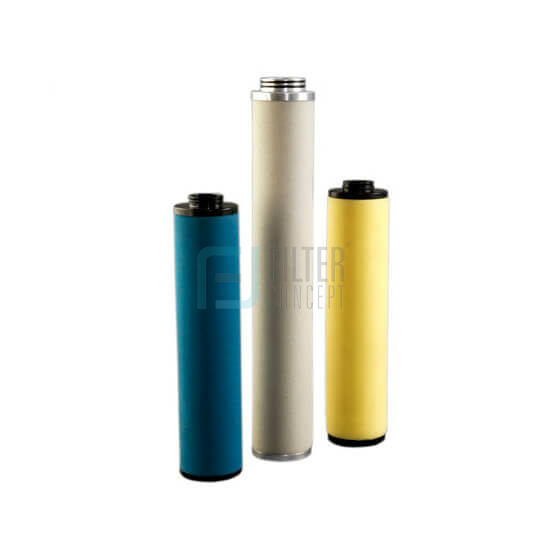
A compressed air filter is a device installed in a compressed air system to remove contaminants such as solid particles, oil aerosols, water droplets, and odors from the air. These filters are designed to clean air after it leaves the compressor but before it reaches tools or end-use applications. By removing impurities, compressed air filters help maintain system efficiency, extend equipment life, and ensure consistent performance.
Why Compressed Air Needs Filtration
Ambient air contains dust, pollen, moisture, and pollutants. When this air is compressed, contaminants become concentrated. Without proper filtration, these impurities can cause:
-
Corrosion inside pipelines
-
Damage to pneumatic tools
-
Reduced efficiency of machines
-
Product contamination
-
Increased maintenance costs
A compressed air filter prevents these issues by maintaining air quality throughout the system.
Types of Compressed Air Filters
Different applications require different filtration levels. Below are the most common types of compressed air filters:
1. Particle Filters
These filters remove solid contaminants like dust, rust, and pipe scale. They are usually the first stage of filtration and protect downstream equipment from physical damage.
2. Coalescing Filters
Coalescing filters remove fine oil aerosols and water droplets by merging small particles into larger ones that can be drained away. They are essential in applications requiring high air purity.
3. Activated Carbon Filters
These filters eliminate oil vapors, odors, and hydrocarbons. They are commonly used in industries such as food processing, pharmaceuticals, and electronics where air quality is critical.
4. High-Efficiency Filters
Designed for precision applications, high-efficiency compressed air filters capture extremely fine particles, ensuring ultra-clean air.
Key Benefits of Using a Compressed Air Filter
Improved Equipment Lifespan
Clean air reduces wear and tear on pneumatic components, valves, and cylinders, resulting in longer service life.
Consistent System Performance
By removing contaminants, compressed air filters help maintain steady airflow and pressure, improving overall system efficiency.
Reduced Maintenance Costs
Less contamination means fewer breakdowns, lower repair expenses, and reduced downtime.
Enhanced Product Quality
Industries that rely on clean air for production processes benefit from reduced defects and improved output quality.
Energy Efficiency
Clean air flows more smoothly through the system, reducing pressure drops and lowering energy consumption.
Applications of Compressed Air Filters
Compressed air filters are used across a wide range of industries, including:
-
Manufacturing and automation
-
Food and beverage processing
-
Pharmaceuticals and healthcare
-
Automotive and aerospace
-
Electronics and semiconductor production
-
Painting and coating applications
Each industry relies on compressed air filters to maintain air purity and ensure reliable operations.
How to Choose the Right Compressed Air Filter
Selecting the right compressed air filter depends on several factors:
-
Type of contaminants present
-
Required air quality level
-
Operating pressure and flow rate
-
Application sensitivity
-
Maintenance requirements
A proper assessment of your compressed air system ensures optimal filtration and long-term performance.
Maintenance Tips for Compressed Air Filters
Regular maintenance is essential to keep compressed air filters functioning effectively. Key practices include:
-
Inspecting filters periodically
-
Replacing filter elements as recommended
-
Draining accumulated moisture
-
Monitoring pressure drop across the filter
Well-maintained filters deliver consistent air quality and prevent system inefficiencies.
Conclusion
A Compressed Air Filter may not be the most visible component in an air system, but its impact is significant. By removing contaminants, it safeguards equipment, improves efficiency, and ensures reliable operation across industries. Investing in the right compressed air filter is not just about clean air—it’s about protecting your systems, reducing costs, and maintaining high standards of performance. In any compressed air setup, the filter truly is the hidden guardian that keeps everything running smoothly.