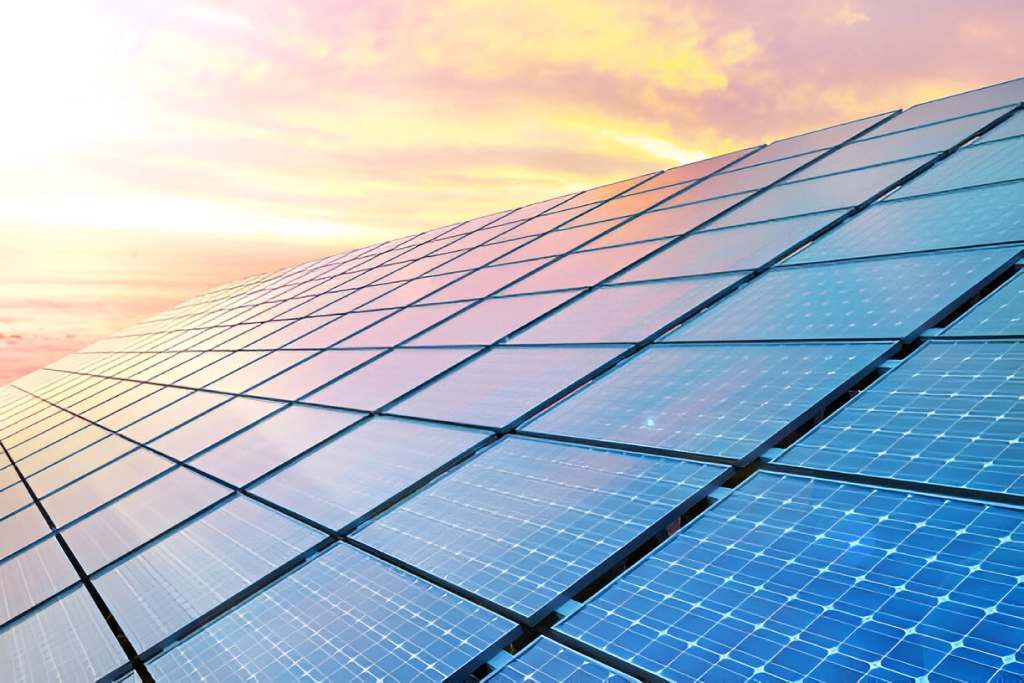
Installing a solar power system is one of the best ways to reduce electricity bills and use clean energy at home. A 3kW solar system is a popular choice for small to medium households because it provides enough power for daily needs like lights, fans, TV, refrigerator, and basic appliances. It is also affordable compared to larger systems and offers good long-term savings.
In this complete guide, you will learn how to install 3kw solar system safely, step by step. The language is kept very simple so that anyone can understand the process, even if you are new to solar energy. This guide covers planning, components, installation steps, safety tips, and maintenance, helping you make informed decisions.
What Is a 3kW Solar System?
A 3kW solar system can produce about 12 to 15 units of electricity per day, depending on sunlight and location. Over a month, it can generate around 360 to 450 units. This is usually enough for a household with moderate electricity usage.
A typical 3kW system includes:
- Solar panels
- Solar inverter
- Mounting structure
- DC and AC cables
- Junction boxes
- Earthing and safety equipment
This system can be installed on rooftops, terraces, or open spaces with good sunlight.
Benefits of Installing a 3kW Solar System
Before learning the installation process, it is important to understand why many people choose a 3kW solar system.
1. Lower Electricity Bills
Solar energy reduces your dependence on the power grid. This means lower monthly electricity bills and protection from rising power costs.
2. Clean and Green Energy
Solar power is renewable and eco-friendly. It does not produce pollution, smoke, or noise.
3. Low Maintenance
Once installed properly, a solar system needs very little maintenance. Regular cleaning and basic checks are enough.
4. Long Life
Solar panels usually last 25 years or more, making them a long-term investment.
5. Government Support
In many regions, government subsidies and net metering policies make solar installation more affordable.
Understanding Your Power Needs
Before installing a solar system, you should know how much electricity your home uses daily.
Step 1: Check Your Electricity Bill
Look at your monthly electricity bill to see how many units you use. Divide it by 30 to get daily usage.
Step 2: Match Usage with System Size
A 3kW solar system is suitable if your daily consumption is around 10–15 units.
Step 3: Decide System Type
You can choose from:
- On-grid system: Connected to the electricity grid
- Off-grid system: Uses batteries for backup
- Hybrid system: Combination of both
Each system has different costs and benefits.
Key Components of a 3kW Solar System
Understanding the main parts of the system helps in safe and correct installation.
Solar Panels
These panels convert sunlight into electricity. A 3kW system usually requires 8 to 10 panels, depending on panel wattage.
Solar Inverter
The inverter converts DC power from panels into AC power for home use. It is the heart of the system.
Mounting Structure
This holds the panels securely on the roof. It must be strong enough to handle wind and weather.
Cables and Connectors
DC cables connect panels to the inverter, while AC cables connect the inverter to the main distribution board.
Safety Equipment
This includes earthing, surge protection devices, and circuit breakers to protect the system and home.
Site Inspection and Planning
Proper planning ensures safe and efficient installation.
Roof Strength Check
Make sure your roof can support the weight of solar panels and mounting structures.
Sunlight Availability
The installation area should receive direct sunlight for most of the day without shade from trees or buildings.
Roof Direction and Angle
South-facing roofs are usually ideal. Panels should be tilted properly for maximum energy generation.
Space Requirement
A 3kW system usually needs around 200 to 250 square feet of shadow-free space.
Tools Required for Installation
Some basic tools are needed during installation:
- Measuring tape
- Drill machine
- Spanners and screwdrivers
- Safety gloves and helmet
- Multimeter for testing
Using proper tools improves safety and accuracy.
Step-by-Step Guide to Install 3kW Solar System Safely
Below is a simple and clear explanation of the installation process.
Step 1: Mark the Installation Area
Measure and mark the area where the panels will be installed. Ensure proper spacing between panels for airflow.
Step 2: Install the Mounting Structure
Fix the mounting structure securely to the roof using bolts and anchors. The structure should be level and stable.
Step 3: Fix the Solar Panels
Mount the solar panels onto the structure. Tighten all bolts properly to prevent movement during strong winds.
Step 4: Connect Panels in Series or Parallel
Connect the panels using DC connectors as per system design. Ensure correct polarity to avoid damage.
Step 5: Install the Solar Inverter
Place the inverter in a shaded, dry, and well-ventilated area. It should be easily accessible for monitoring.
Step 6: DC Wiring Connection
Connect the DC output from the panels to the inverter. Use proper DC isolators for safety.
Step 7: AC Wiring Connection
Connect the inverter output to the main distribution board. Install AC isolators and breakers.
Step 8: Earthing and Grounding
Proper earthing protects the system from lightning and electrical faults. Use high-quality earthing rods and wires.
Step 9: Net Meter Installation (If Applicable)
For on-grid systems, a net meter is installed to track electricity exported to the grid.
Step 10: Testing and Commissioning
Check all connections, switch on the system, and monitor performance. Use a multimeter to confirm voltage and current.
Important Safety Tips During Installation
Safety should always be a priority.
Use Protective Gear
Wear safety gloves, helmet, and shoes during installation.
Avoid Installation During Rain
Wet surfaces increase the risk of electric shock and accidents.
Follow Electrical Standards
Use standard cables, connectors, and breakers to prevent hazards.
Proper Earthing Is a Must
Never skip earthing, as it protects both the system and users.
Professional Supervision
Even if you understand the process, professional guidance ensures safe installation.
Common Mistakes to Avoid
Avoiding mistakes improves system life and performance.
Poor Panel Placement
Panels placed in shaded areas produce less power.
Loose Connections
Loose wiring can cause sparks, power loss, or system failure.
Ignoring Maintenance
Dirty panels reduce efficiency. Regular cleaning is important.
Using Low-Quality Components
Cheap parts may fail early and reduce system safety.
Maintenance Tips for a 3kW Solar System
Regular maintenance keeps the system working efficiently.
Panel Cleaning
Clean panels every 2–4 weeks using water and a soft cloth.
Check Wiring
Inspect cables and connectors for damage or looseness.
Monitor Inverter Display
Check the inverter display or app to track daily power generation.
Annual Inspection
Have a professional inspect the system once a year.
Cost and Savings Overview
The cost of a 3kW solar system depends on system type, brand, and location. However, the savings over time are significant.
- Average payback period: 4 to 6 years
- Electricity bill reduction: Up to 80%
- System life: 25+ years
With proper installation, the system pays for itself and generates free electricity for many years.
Is a 3kW Solar System Right for You?
A 3kW system is ideal if:
- You have moderate electricity usage
- You have enough roof space
- You want affordable solar entry
- You want long-term savings
If your power needs increase in the future, the system can often be expanded.
Final Thoughts
Learning 3kw solar system installation safely helps you understand the process and make better decisions. While the steps may seem simple, safety, planning, and quality components are very important for long-term performance. A well-installed system provides clean energy, lower bills, and peace of mind.
For those looking for reliable guidance, quality equipment, and professional support, Solar Prabha offers trusted solar solutions that help homeowners switch to safe and efficient solar energy with confidence.