Clothing Industry News: Key Trends, Market Shifts, and What’s Driving Change
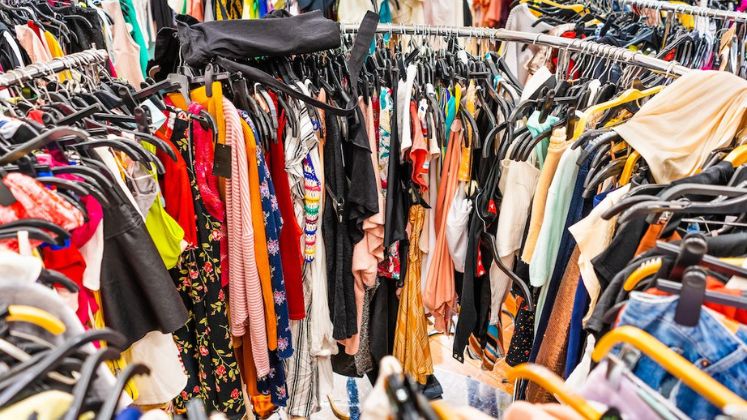
Clothing industry news is evolving fast as brands adapt to changing consumer preferences, digital disruption, and sustainability pressures. From fast fashion giants adjusting supply chains to luxury brands focusing on exclusivity and resale, the apparel industry is undergoing a clear transformation. Businesses, retailers, and analysts are tracking these shifts closely because they directly affect demand patterns, pricing strategies, and long-term growth.
Key Trends Shaping the Clothing Industry
The global clothing market is moving toward a mix of digital-first retail, sustainability, and personalization. Online shopping continues to grow, but the focus is shifting from just convenience to experience. Brands are investing in virtual try-ons, AI-driven recommendations, and seamless omnichannel journeys.
Sustainability is no longer optional. Consumers are paying attention to materials, sourcing, and production practices. This has pushed companies to explore recycled fabrics, ethical sourcing, and transparent supply chains. At the same time, demand for affordable fashion remains strong, creating a balance between cost efficiency and responsible production.
Fast Fashion vs Sustainable Fashion
Fast Fashion Adjustments
Fast fashion brands are reworking their models due to rising criticism and regulatory pressure. Many are shortening production cycles further while trying to reduce waste. Inventory planning is becoming more data-driven to avoid overproduction.
Some companies are introducing limited collections and testing smaller batches before scaling production. This helps reduce unsold inventory and aligns supply with real demand instead of forecasts alone.
Rise of Sustainable Fashion
Sustainable fashion is gaining traction across all price segments. Brands are introducing organic cotton, recycled polyester, and biodegradable fabrics. Certifications and traceability tools are becoming important for building trust.
Consumers are also exploring resale platforms and rental fashion. This shift extends product life cycles and reduces overall consumption. Established brands are entering this space by launching their own resale channels.
Supply Chain Shifts in the Apparel Industry
Global supply chains in the clothing industry are becoming more diversified. Companies are reducing dependence on single sourcing regions and exploring nearshoring options. This helps manage risks related to geopolitical issues, shipping delays, and cost fluctuations.
Automation is another major development. Factories are adopting robotics and smart manufacturing systems to improve efficiency and reduce labor dependency. This is particularly important as labor costs rise in traditional manufacturing hubs.
Impact of Technology on Fashion and Apparel
Technology is changing how clothing is designed, produced, and sold. AI and data analytics are helping brands predict trends, optimize pricing, and manage inventory more effectively. Digital design tools allow faster product development cycles.
3D sampling is reducing the need for physical prototypes. This saves time and cuts down material waste. At the retail level, augmented reality is helping customers visualize products before purchase, improving conversion rates and reducing returns.
Growth of Direct-to-Consumer (DTC) Brands
Direct-to-consumer brands are reshaping the apparel market by removing intermediaries. This allows better pricing control, stronger customer relationships, and faster feedback loops. Social media plays a major role in this model, helping brands build communities and drive engagement.
DTC brands are also experimenting with limited drops and exclusive collections. This approach creates urgency and helps manage inventory more efficiently. Traditional retailers are responding by strengthening their own online channels and improving customer experience.
Changing Consumer Preferences in Clothing
Consumers are looking for more than just style. Comfort, functionality, and versatility are becoming important factors. Athleisure and casual wear continue to dominate as work and lifestyle patterns shift.
There is also growing demand for customization. Personalized clothing, made-to-order designs, and niche fashion categories are gaining attention. Younger consumers are especially drawn to unique products that reflect individual identity.
Regional Insights in Clothing Industry News
Asia Pacific remains a major production hub and a fast-growing consumer market. Countries in this region are investing in manufacturing capabilities while also expanding domestic retail.
North America and Europe are focusing more on sustainability, innovation, and premium segments. Regulations around environmental impact are influencing how brands operate in these markets. Emerging regions are seeing growth driven by rising incomes and urbanization.
Challenges Facing the Clothing Industry
Rising raw material costs and supply chain disruptions are affecting pricing strategies. Brands need to balance cost increases without losing customers. Inventory mismanagement can lead to heavy discounting, which impacts margins.
Counterfeit products and fast-changing trends also create challenges. Companies must protect brand value while staying relevant in a competitive environment. Adapting quickly without compromising quality is a constant pressure.
Examples of Recent Developments in Clothing Industry News
Many global apparel brands are investing in circular fashion models, including recycling programs and resale platforms. Luxury brands are expanding into second-hand markets to capture new customer segments.
Retailers are closing underperforming physical stores while strengthening online presence. Some are redesigning stores to focus on experience rather than just transactions. Sportswear companies are collaborating with designers and celebrities to create limited-edition collections that drive demand.
Expert Tips for Staying Ahead in the Clothing Industry
Track consumer behavior regularly rather than relying only on seasonal trends. Real-time data helps in adjusting collections and pricing strategies more effectively.
Invest in flexible supply chains. Working with multiple suppliers and regions reduces risk and improves response time. This becomes critical during disruptions.
Focus on brand identity and storytelling. Consumers connect more with brands that communicate clear values, whether it is sustainability, craftsmanship, or innovation.
Adopt technology gradually but strategically. Tools like AI, automation, and digital design should support efficiency without overcomplicating operations.
Common Mistakes to Avoid
Ignoring sustainability expectations can damage brand perception. Consumers are increasingly aware of environmental impact, and lack of transparency can lead to trust issues.
Overproduction remains a major issue. Producing large volumes without demand clarity leads to excess inventory and heavy discounts. This reduces profitability and brand value.
Relying too heavily on a single sales channel can limit growth. A balanced approach across online and offline platforms provides stability and wider reach.
Neglecting customer feedback is another mistake. Reviews, returns, and engagement data offer valuable insights that can guide product improvements and marketing strategies.
Conclusion
Clothing industry news reflects a market that is shifting toward smarter production, digital engagement, and responsible practices. Brands that adapt to these changes are better positioned to handle competition and evolving consumer expectations. Staying updated with trends, investing in the right technologies, and maintaining flexibility in operations can help businesses build long-term resilience and growth.
Top 5 SEO FAQs
1. What are the latest trends in clothing industry news?
The latest trends include sustainability, digital retail growth, AI-driven personalization, and the rise of resale and circular fashion models.
2. How is technology impacting the clothing industry?
Technology is improving design, production, and retail processes through AI, automation, 3D sampling, and augmented reality shopping experiences.
3. Why is sustainability important in the apparel industry?
Sustainability helps reduce environmental impact, builds consumer trust, and aligns with growing demand for ethical and transparent production practices.
4. What is driving the growth of DTC clothing brands?
DTC brands benefit from better pricing control, direct customer engagement, and strong digital marketing through social media and online platforms.
5. What challenges does the clothing industry face today?
Key challenges include rising costs, supply chain disruptions, overproduction, and the need to adapt quickly to changing fashion trends.