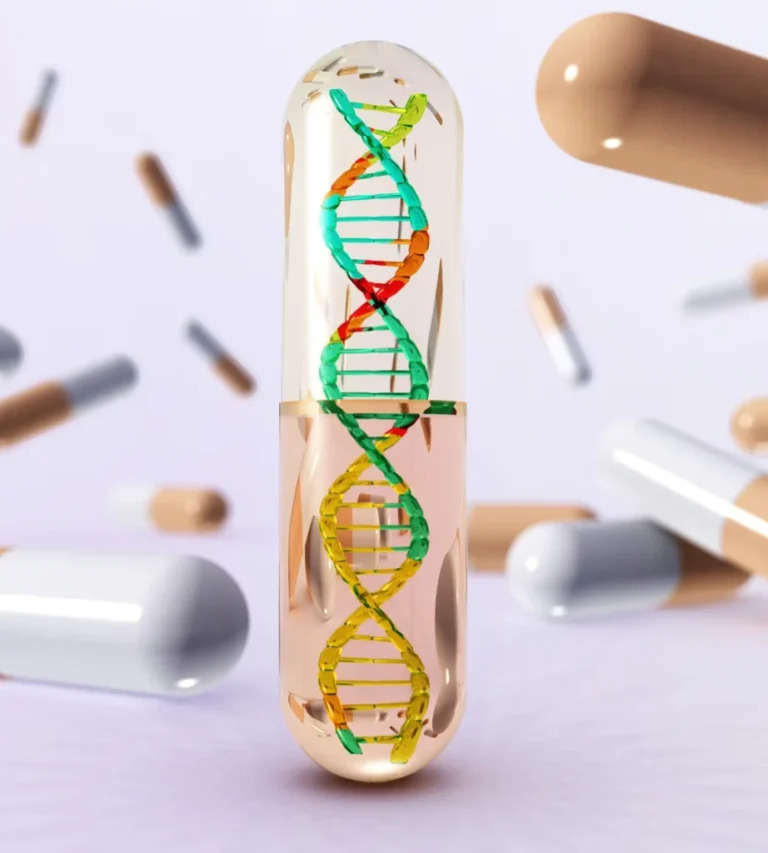
Autoimmune diseases affect millions of people worldwide, often causing chronic pain, fatigue, inflammation, and a reduced quality of life. Conditions such as rheumatoid arthritis, multiple sclerosis, lupus, Crohn’s disease, psoriasis, and type 1 diabetes arise when the immune system mistakenly attacks the body’s own tissues. Traditional treatments have focused primarily on symptom management rather than addressing the root cause of immune dysfunction.
In recent years, however, innovative medical advancements have transformed how autoimmune disorders are treated. One of the most promising breakthroughs is biological therapy, a targeted treatment approach designed to regulate immune responses at a cellular and molecular level. Leading integrative medical centers, including Swiss Health Clinic, have adopted cutting-edge immune-modulating therapies to help patients achieve long-term disease control and improved wellness.
Why Is Biological Therapy Needed for Autoimmune Diseases?
Autoimmune diseases are complex and multifactorial, involving genetics, environmental triggers, gut health, hormonal imbalances, infections, and immune system dysregulation. Conventional treatment strategies typically rely on:
- Corticosteroids to suppress inflammation
- Immunosuppressants to reduce immune activity
- Pain medications for symptom relief
- Disease-modifying drugs to slow disease progression
While these treatments can be effective in managing symptoms, they often come with significant side effects and do not correct the underlying immune malfunction. Many patients experience incomplete relief, relapses, or progressive deterioration despite years of treatment.
This is where biological therapy offers a transformative alternative. Instead of broadly suppressing the immune system, biological treatments aim to modulate specific immune pathways, restore immune tolerance, and retrain immune cells to recognize the body’s own tissues as “self” rather than foreign.
At advanced integrative centers such as Swiss Health Clinic, the focus is not just on disease suppression but on immune restoration. By targeting the root mechanisms of autoimmunity, biological therapy offers hope for long-term remission, improved function, and, in some cases, disease reversal.
What Is Biological Therapy?
Biological therapy refers to treatments derived from living organisms or their products, such as proteins, antibodies, immune cells, and genetic material. These therapies are engineered to interact with the immune system in precise ways, allowing for targeted intervention rather than generalized immune suppression.
Unlike traditional drugs, which are often chemically synthesized and broadly acting, biological treatments are designed to influence specific immune pathways. They can:
- Block inflammatory signals
- Regulate overactive immune cells
- Promote immune tolerance
- Repair tissue damage
- Enhance the body’s natural healing mechanisms
In autoimmune diseases, the immune system mistakenly attacks healthy tissues. Biological therapy works by interrupting this faulty process, helping the immune system regain balance and harmony.
One of the most advanced and personalized forms of biological therapy today is dendritic cell therapy, which focuses on re-educating the immune system at its core.
Types of Biological Therapy for Autoimmune Diseases
There are several categories of biological therapy used in autoimmune conditions, each targeting different aspects of immune dysfunction. Below are the most widely recognized and clinically applied types.
- Monoclonal Antibodies
Monoclonal antibodies are laboratory-produced molecules designed to bind to specific targets, such as inflammatory cytokines or immune cell receptors. They work by:
- Blocking pro-inflammatory proteins like TNF-alpha, IL-6, or IL-17
- Preventing immune cells from attacking healthy tissues
- Reducing inflammation and tissue damage
These therapies are commonly used in conditions such as rheumatoid arthritis, psoriasis, inflammatory bowel disease, and multiple sclerosis.
- Cytokine Inhibitors
Cytokines are chemical messengers that regulate immune responses. In autoimmune diseases, certain cytokines are overproduced, leading to chronic inflammation. Cytokine inhibitors block these signals, reducing immune hyperactivity and alleviating symptoms.
- Immune Checkpoint Modulators
These therapies influence immune checkpoints molecular switches that regulate immune cell activation. By adjusting these checkpoints, the immune system can be rebalanced to reduce autoimmunity without fully suppressing immune defense.
- Cell-Based Therapies
Cell-based therapies involve using the patient’s own immune cells, modifying them in the laboratory, and reintroducing them into the body to restore immune balance. This category includes:
- Stem cell therapy
- Regulatory T-cell therapy
- dendritic cell therapy
Among these, dendritic cell therapy stands out as one of the most promising and innovative approaches for autoimmune disease management.
- Gene-Based Therapies
These therapies involve modifying or regulating gene expression to correct immune dysfunction at a genetic level. While still largely experimental, gene-based biological therapies represent the future of personalized autoimmune treatment.
Understanding Dendritic Cell Therapy
Dendritic cell therapy is a highly personalized form of biological therapy that focuses on retraining the immune system to restore tolerance toward the body’s own tissues.
Dendritic cells are key regulators of the immune system. They act as messengers, presenting antigens to immune cells and determining whether the immune response should be activated or suppressed. In autoimmune diseases, dendritic cells mistakenly present self-antigens as threats, triggering immune attacks against healthy tissues.
In dendritic cell therapy:
- A patient’s dendritic cells are collected from their blood.
- These cells are modified in a controlled laboratory environment.
- They are trained to recognize specific self-antigens as harmless.
- The modified cells are reintroduced into the patient’s body.
- These cells then help restore immune tolerance and reduce autoimmune activity.
This therapy does not suppress the immune system; instead, it recalibrates it. The goal is not just symptom relief but immune re-education, offering the potential for long-term remission and reduced disease progression.
Centers like Swiss Health Clinic integrate dendritic cell therapy into personalized autoimmune treatment programs, combining it with advanced diagnostics, lifestyle interventions, and supportive therapies for optimal outcomes.
Can Biological Therapy Cure Autoimmune Diseases?
The concept of a “cure” in autoimmune disease is complex. Most autoimmune conditions are considered chronic and lifelong, meaning they traditionally require ongoing management rather than definitive cure. However, biological therapy has changed the conversation from “managing symptoms” to “modifying disease course.”
While biological therapy may not cure every autoimmune disease in every patient, it can:
- Induce long-term remission
- Halt or slow disease progression
- Reduce or eliminate dependence on conventional medications
- Restore immune tolerance
- Improve quality of life and functional capacity
In some patients, especially those treated early or with personalized immune therapies such as dendritic cell therapy, sustained remission without ongoing medication has been observed. This outcome, while not guaranteed, represents a functional cure for many individuals.
At integrative medical centers like Swiss Health Clinic, biological therapy is not viewed as a one-size-fits-all solution but as part of a comprehensive, individualized treatment strategy aimed at long-term immune health and disease reversal where possible.
Advantages of Biological Therapy for Autoimmune Diseases
Biological therapy offers several key advantages over conventional treatment approaches. These benefits stem from its precision, personalization, and immune-modulating rather than immune-suppressing nature.
- Targeted Treatment
Unlike traditional drugs that broadly suppress immune function, biological therapy targets specific immune pathways involved in the disease process. This precision reduces unnecessary immune suppression and lowers the risk of infections and systemic side effects.
- Root-Cause Approach
Biological therapy addresses the underlying immune dysregulation rather than merely masking symptoms. By restoring immune tolerance, it helps correct the fundamental problem driving autoimmune disease.
- Reduced Medication Dependency
Many patients experience a significant reduction in their need for steroids, immunosuppressants, and pain medications after undergoing biological therapy. Some are able to discontinue conventional drugs entirely under medical supervision.
- Improved Safety Profile
While all medical treatments carry some risk, biological therapies are generally well-tolerated when administered appropriately. Because they are targeted, they often result in fewer systemic side effects compared to traditional immunosuppressive drugs.
- Personalized Care
Advanced biological treatments, especially cell-based therapies like dendritic cell therapy, are tailored to the individual’s immune profile, genetic makeup, disease stage, and overall health status.
- Potential for Long-Term Remission
Perhaps the most significant advantage is the potential for long-term disease remission. By retraining the immune system, biological therapy may offer lasting improvement rather than temporary symptom relief.
Benefits of Biological Therapy for Patients
Beyond clinical outcomes, biological therapy offers numerous practical and emotional benefits that significantly enhance patients’ lives.
- Improved Quality of Life
Reduced pain, fatigue, inflammation, and disease flares allow patients to return to daily activities, work, exercise, and social engagement with greater ease and confidence.
- Enhanced Physical Function
Many patients experience improved mobility, strength, and endurance as inflammation subsides and tissue healing occurs.
- Emotional and Psychological Relief
Living with a chronic autoimmune disease can take a significant toll on mental health. Biological therapy offers renewed hope, reduced anxiety about disease progression, and greater emotional well-being.
- Greater Autonomy
With fewer symptoms and reduced medication reliance, patients often regain a sense of control over their health and lifestyle choices.
- Long-Term Health Protection
By minimizing chronic inflammation and immune dysregulation, biological therapy may reduce the risk of long-term complications such as organ damage, cardiovascular disease, and secondary autoimmune conditions.
- Holistic Wellness
At advanced centers such as Swiss Health Clinic, biological therapy is combined with nutritional optimization, stress management, gut health restoration, and lifestyle medicine, promoting overall well-being rather than isolated disease management.
Steps Involved in Biological Therapy for Autoimmune Diseases
Understanding the treatment process helps patients feel informed, confident, and prepared. While protocols vary depending on the therapy type and individual patient needs, the general steps include the following:
Step 1: Comprehensive Medical Evaluation
The process begins with an in-depth assessment, including:
- Medical history review
- Physical examination
- Advanced laboratory testing
- Immune profiling
- Genetic and biomarker analysis
- Imaging studies, if necessary
This evaluation allows clinicians to understand the specific immune dysfunction driving the patient’s condition.
Step 2: Personalized Treatment Planning
Based on diagnostic findings, a customized treatment plan is developed. This plan may include:
- Selection of appropriate biological therapy
- Determination of dosage and administration schedule
- Integration with supportive therapies such as nutrition, detoxification, and lifestyle interventions
At Swiss Health Clinic, treatment plans are designed by multidisciplinary teams, ensuring a holistic and evidence-based approach.
Step 3: Therapy Preparation
For cell-based therapies such as dendritic cell therapy, this step involves:
- Blood collection or tissue sampling
- Isolation of specific immune cells
- Laboratory modification and immune training
- Quality control and safety testing
For monoclonal antibodies or cytokine inhibitors, this step involves medication preparation and dosage calibration.
Step 4: Therapy Administration
The therapy is administered through:
- Intravenous infusion
- Subcutaneous injection
- Intramuscular injection
- Or targeted cellular infusion, depending on the treatment type
Administration is conducted under medical supervision to ensure patient safety and comfort.
Step 5: Monitoring and Follow-Up
After treatment, patients undergo regular monitoring to assess:
- Symptom improvement
- Immune markers
- Inflammatory levels
- Organ function
- Medication requirements
Follow-up visits allow clinicians to adjust treatment plans, provide supportive care, and optimize long-term outcomes.
Step 6: Long-Term Maintenance and Wellness Support
Biological therapy is most effective when combined with:
- Nutritional therapy
- Stress management
- Sleep optimization
- Physical activity
- Gut health restoration
- Environmental toxin reduction
This integrative approach supports immune resilience and helps maintain remission over time.
Safety and Risks of Biological Therapy
While biological therapy is generally safe and well-tolerated, it is important to understand potential risks and considerations.
Common Side Effects
- Mild injection site reactions
- Temporary fatigue
- Headache
- Flu-like symptoms
These effects are usually short-lived and resolve without intervention.
Less Common Risks
- Increased susceptibility to infections
- Allergic reactions
- Immune over-suppression (rare with targeted therapies)
- Reactivation of latent infections
These risks are minimized through proper patient screening, careful monitoring, and individualized treatment protocols.
At reputable medical centers such as Swiss Health Clinic, strict safety standards, advanced diagnostics, and experienced medical teams ensure that biological therapy is administered responsibly and effectively.
Who Is a Good Candidate for Biological Therapy?
Biological therapy may be suitable for patients who:
- Have moderate to severe autoimmune disease
- Have not responded adequately to conventional treatments
- Experience significant medication side effects
- Desire a more targeted and personalized treatment approach
- Are seeking long-term remission rather than symptom control
However, candidacy depends on individual factors such as disease type, stage, overall health, immune status, and personal goals. A thorough medical evaluation is essential to determine suitability.
Realistic Expectations and Outcomes
While biological therapy offers remarkable potential, it is important to maintain realistic expectations. Outcomes vary depending on:
- The specific autoimmune disease
- Disease duration and severity
- Individual immune system characteristics
- Treatment type and protocol
- Patient adherence to supportive lifestyle interventions
Some patients experience rapid improvement, while others notice gradual changes over months. Some achieve sustained remission, while others require ongoing maintenance therapy. Open communication with healthcare providers and consistent follow-up care are key to maximizing benefits.
Conclusion
Autoimmune diseases have long been considered chronic, progressive, and difficult to treat effectively. However, advancements in medical science have ushered in a new era of targeted, personalized, and immune-modulating treatments.
Biological therapy represents a powerful shift away from broad immune suppression toward precision immune regulation. By addressing the root causes of immune dysfunction, these therapies offer hope for long-term remission, improved quality of life, and reduced medication dependency.
Innovative approaches such as dendritic cell therapy take this concept even further by retraining the immune system itself, restoring tolerance, and potentially reversing disease progression. While not every patient will experience a complete cure, many achieve meaningful, lasting improvement that transforms their lives.
At integrative medical centers like Swiss Health Clinic, biological therapy is part of a comprehensive, patient-centered approach that combines advanced diagnostics, personalized treatment planning, and holistic wellness support. For individuals seeking more than symptom control, biological therapy offers a promising path toward immune balance, resilience, and long-term health.
Frequently Asked Questions
- What is biological therapy in autoimmune disease treatment?
Biological therapy involves using biologically derived treatments, such as antibodies, immune cells, or proteins, to regulate the immune system and reduce autoimmune activity in a targeted and personalized manner.
- Can biological therapy completely cure autoimmune diseases?
While a complete cure is not guaranteed, biological therapy can induce long-term remission, halt disease progression, and significantly improve quality of life. In some cases, patients achieve sustained symptom-free periods without medication.
- How is dendritic cell therapy different from other treatments?
Dendritic cell therapy focuses on retraining the immune system to recognize the body’s own tissues as harmless, restoring immune tolerance rather than suppressing immune function.
- Is biological therapy safe?
When administered by experienced medical professionals and with proper patient screening, biological therapy is generally safe and well-tolerated. Ongoing monitoring further ensures patient safety.
- How long does it take to see results from biological therapy?
Some patients notice improvement within weeks, while others experience gradual changes over several months. Results vary depending on disease type, severity, and individual immune response.
- Can biological therapy replace conventional medications?
In many cases, patients are able to reduce or discontinue conventional medications under medical supervision after successful biological therapy. However, this depends on individual response and disease status.
- Who should consider biological therapy?
Patients with moderate to severe autoimmune disease, inadequate response to standard treatments, or significant medication side effects may benefit from biological therapy.
- How is treatment personalized?
Treatment is personalized based on immune profiling, disease characteristics, genetic factors, lifestyle, and overall health. Centers like Swiss Health Clinic design individualized treatment protocols for each patient.
- Are there any long-term risks?
Long-term risks are generally low when therapy is properly managed. Regular monitoring helps identify and address any potential issues early.
- How can I learn more about biological therapy options?
Consulting with an experienced integrative medical center such as Swiss Health Clinic can provide detailed information, personalized evaluations, and evidence-based treatment recommendations.