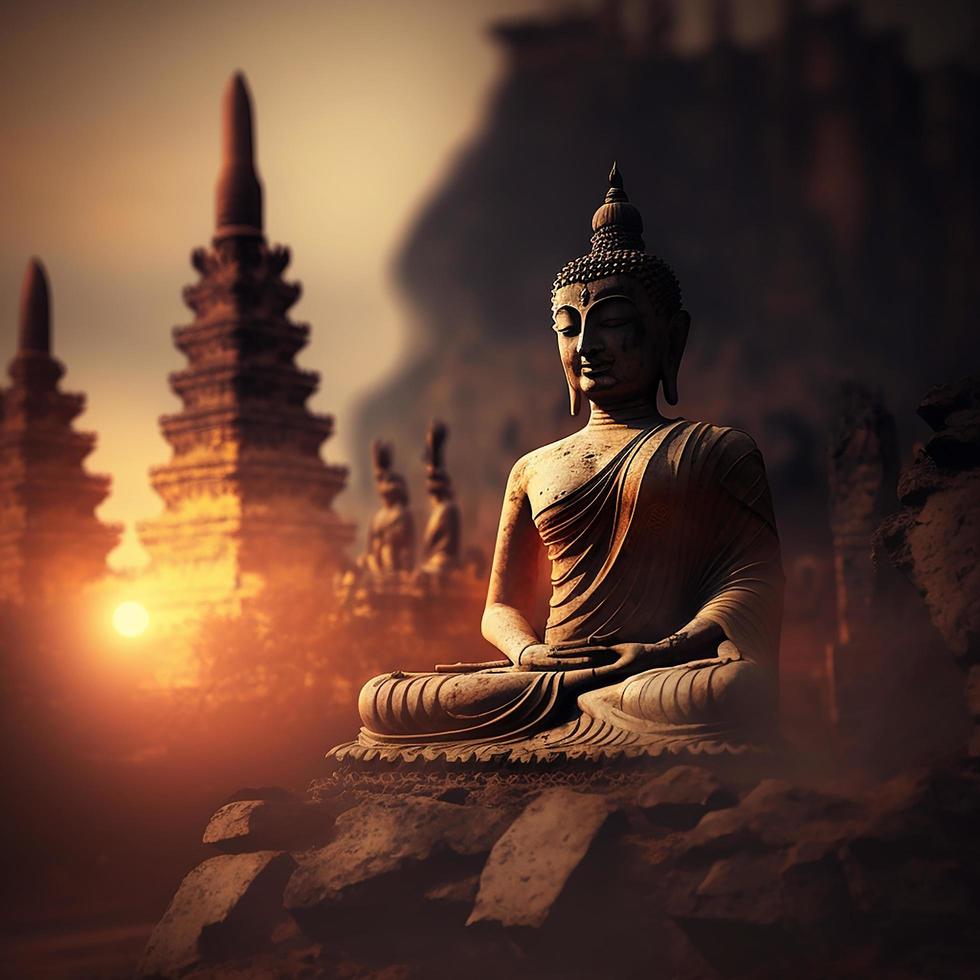
India, the birthplace of Buddhism, is home to some of the most serene and historically significant monasteries in the world. Buddhist Monasteries in India are not just places of worship; they are centers of meditation, learning, and cultural preservation. Nestled in the Himalayas, scattered across plains, and hidden in valleys, these monasteries attract pilgrims, travelers, and seekers of peace from across the globe.
This guide explores the most famous Buddhist monasteries in India, their history, cultural importance, and travel tips to help you plan a meaningful journey.
🌄 The Essence of Buddhist Monasteries in India
Buddhist monasteries, known as vihara or gompa, serve as spiritual sanctuaries where monks live, meditate, and teach. They are often adorned with prayer flags, stupas, and intricate murals depicting Buddhist philosophy. Visiting these monasteries offers:
- Spiritual significance – Centers for meditation and rituals.
- Architectural beauty – Unique designs blending Indian and Tibetan styles.
- Cultural immersion – Festivals, chants, and traditional art.
- Peaceful retreats – Ideal for reflection and inner growth.
🏯 Famous Buddhist Monasteries in India
1. Tawang Monastery, Arunachal Pradesh
Tawang Monastery is the largest monastery in India and the second largest in the world. Founded in the 17th century, it belongs to the Gelugpa sect of Tibetan Buddhism. The monastery houses a massive golden statue of Lord Buddha and is a hub of cultural and spiritual activities.
2. Hemis Monastery, Ladakh
Hemis Monastery is famous for the annual Hemis Festival, which celebrates Guru Padmasambhava. The monastery is adorned with colorful murals, thangkas, and statues. Its location amidst the mountains makes it a breathtaking spiritual retreat.
3. Thiksey Monastery, Ladakh
Resembling the Potala Palace in Tibet, Thiksey Monastery is a twelve-story complex housing numerous stupas, statues, and a giant Maitreya Buddha. It is one of the most picturesque monasteries in India.
4. Namdroling Monastery, Karnataka
Located in Bylakuppe, Namdroling Monastery is one of the largest Tibetan settlements in India. Known as the Golden Temple, it houses stunning golden statues of Buddha, Padmasambhava, and Amitayus.
5. Rumtek Monastery, Sikkim
Rumtek Monastery is the seat of the Karma Kagyu lineage. It is known for its vibrant architecture, sacred relics, and annual rituals. The monastery is a major center of Buddhist learning.
🌿 Other Notable Buddhist Monasteries
6. Ghoom Monastery, Darjeeling
One of the oldest monasteries in Darjeeling, Ghoom Monastery houses a 15-foot statue of Maitreya Buddha. It is famous for its thangkas and rare Buddhist manuscripts.
7. Mindrolling Monastery, Dehradun
Founded in 1676, Mindrolling Monastery is one of the largest Buddhist centers in India. It is known for its 60-meter high stupa and beautiful gardens.
8. Phugtal Monastery, Zanskar Valley
Phugtal Monastery is unique because it is built into a cliffside cave. Accessible only by trekking, it offers a truly remote and spiritual experience.
9. Tsuglagkhang Complex, Dharamshala
This monastery is the official residence of the Dalai Lama. It includes temples, a museum, and meditation halls, making it a major center of Tibetan Buddhism.
10. Enchey Monastery, Sikkim
Located near Gangtok, Enchey Monastery is known for its annual Cham dance festival. It is a vibrant center of spirituality and culture.
🎉 Festivals Celebrated in Buddhist Monasteries
Buddhist monasteries in India come alive during festivals:
- Hemis Festival (Ladakh) – Masked dances and rituals.
- Losar Festival (Sikkim, Ladakh) – Tibetan New Year celebrations.
- Cham Dance Festivals – Monks perform masked dances symbolizing good over evil.
- Buddha Purnima – Celebrated across monasteries to honor Buddha’s birth, enlightenment, and nirvana.
🍲 Cultural Experiences at Monasteries
Visiting Buddhist monasteries offers unique cultural experiences:
- Meditation retreats – Vipassana and guided meditation sessions.
- Monastic rituals – Chanting, prayer wheels, and butter lamp offerings.
- Cuisine – Tibetan momos, thukpa, and butter tea.
- Handicrafts – Thangkas, statues, and prayer flags.
🚗 Travel Tips for Visiting Buddhist Monasteries in India
- Best Time to Visit
- Summer (April–June): Pleasant weather in Himalayan regions.
- Winter (October–February): Ideal for snow lovers.
- Festivals: Plan visits during Hemis or Losar for cultural immersion.
- Packing Essentials
- Warm clothes for Himalayan monasteries.
- Comfortable shoes for trekking to remote monasteries.
- Modest clothing for temple visits.
- Respect Local Traditions
- Maintain silence during rituals.
- Avoid photography in restricted areas.
- Support eco-tourism and local communities.
✨ Why Buddhist Monasteries in India Are Special
These monasteries are not just religious sites; they are living centers of spirituality and culture. They offer:
- Connection to Buddhist heritage – Walking in places where monks have meditated for centuries.
- Peaceful retreats – Ideal for seekers of inner peace.
- Architectural wonders – Unique designs blending Indian and Tibetan styles.
- Global appeal – Attracting pilgrims and travelers from around the world.
🏁 Conclusion
Buddhist Monasteries in India are timeless sanctuaries that continue to inspire people with their spiritual aura, cultural richness, and natural beauty. From the grandeur of Tawang to the remote serenity of Phugtal, each monastery offers a unique experience of peace and wisdom.
Whether you are a pilgrim seeking blessings, a traveler exploring heritage, or a seeker looking for inner peace, India’s Buddhist monasteries promise a journey that touches the soul.
So, embark on this spiritual adventure and let the teachings of Buddha guide your path.

 displayed below and the Online Cricket ID logo in the top-left corner.](https://topnewstoday.uk/wp-content/uploads/2026/03/Get-IPL-Betting-ID-with-Online-Cricket-ID-–-Safe-Instant-Access-300x169.jpg)