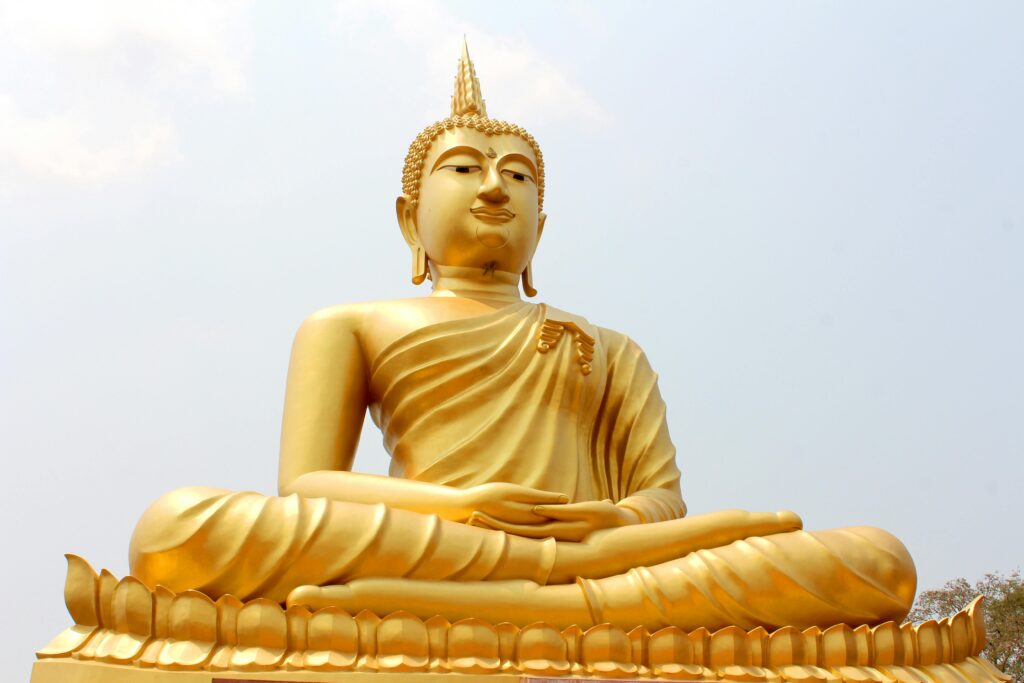
Buddhism is one of the world’s oldest and most influential spiritual traditions, and its temples stand as living monuments to peace, compassion, and enlightenment. Best Buddhist Temples in the World are not only sacred places of worship but also architectural marvels, cultural treasures, and destinations that inspire millions of travelers. From ancient stupas in India to majestic monasteries in Tibet and modern temples in Thailand, these sites reflect the diversity and depth of Buddhist heritage across the globe.
🌍 The Significance of Buddhist Temples
Buddhist temples are more than religious structures—they are centers of community, meditation, and cultural preservation.
- Spiritual Importance: Temples provide spaces for prayer, meditation, and rituals.
- Cultural Heritage: They preserve art, manuscripts, and traditions.
- Tourism Growth: Temples attract millions of visitors annually, boosting global tourism.
- Architectural Marvels: Temples showcase intricate designs, sculptures, and craftsmanship.
The best Buddhist temples in the world embody the teachings of Lord Buddha while serving as bridges between cultures.
🕉️ Best Buddhist Temples in the World
1. Mahabodhi Temple (Bodh Gaya, India)
- UNESCO World Heritage Site.
- Built at the site where Buddha attained enlightenment under the Bodhi Tree.
- Famous for its towering spire and serene meditation spots.
- Pilgrims from across the world visit to meditate and pray.
2. Shwedagon Pagoda (Yangon, Myanmar)
- One of the most sacred Buddhist sites in Myanmar.
- Covered with gold plates and topped with a diamond-studded spire.
- Believed to house relics of four Buddhas.
- A symbol of Myanmar’s spiritual and cultural identity.
3. Borobudur Temple (Java, Indonesia)
- Largest Buddhist temple in the world.
- Built in the 9th century with intricate stone carvings.
- Designed as a massive mandala representing the Buddhist cosmos.
- UNESCO World Heritage Site and a major pilgrimage destination.
4. Wat Pho (Bangkok, Thailand)
- Famous for its giant reclining Buddha statue.
- Known as the birthplace of traditional Thai massage.
- A vibrant temple complex with stunning murals and stupas.
5. Jokhang Temple (Lhasa, Tibet)
- Considered the most sacred temple in Tibet.
- Houses the Jowo Shakyamuni statue, an important relic.
- A spiritual center for Tibetan Buddhism.
- Pilgrims perform prostrations around the temple as an act of devotion.
6. Todaiji Temple (Nara, Japan)
- Famous for its Great Buddha Hall, housing a massive bronze statue.
- Built in the 8th century, it was once the largest wooden building in the world.
- A UNESCO World Heritage Site and a symbol of Japanese Buddhism.
7. Boudhanath Stupa (Kathmandu, Nepal)
- One of the largest stupas in the world.
- A UNESCO World Heritage Site.
- Important pilgrimage site for Tibetan Buddhists.
- Surrounded by monasteries and prayer wheels.
8. Wat Arun (Bangkok, Thailand)
- Known as the Temple of Dawn.
- Famous for its riverside location and stunning spires decorated with porcelain.
- A symbol of Thailand’s Buddhist heritage.
9. Lama Temple (Beijing, China)
- Also known as Yonghe Temple.
- Famous for its giant statue of Maitreya Buddha carved from a single sandalwood tree.
- A blend of Han Chinese and Tibetan Buddhist architecture.
10. Sanchi Stupa (Madhya Pradesh, India)
- One of the oldest stone structures in India.
- Built by Emperor Ashoka in the 3rd century BCE.
- Famous for its gateways with intricate carvings depicting Buddhist teachings.
These temples highlight the diversity of Best Buddhist Temples in the World, blending spirituality with cultural richness.
🌱 Cultural and Spiritual Experiences
Visiting Buddhist temples is not just about sightseeing—it is about immersing oneself in spirituality and culture.
- Meditation Retreats: Many temples offer guided meditation programs.
- Festivals: Temples host celebrations like Vesak, Losar, and Buddha Purnima.
- Monastic Life: Visitors can observe monks’ daily routines and rituals.
- Architecture: Intricate murals, stupas, and statues showcase Buddhist art.
These experiences make temple visits deeply enriching and transformative.
🧭 Benefits of Visiting Buddhist Temples
- Spiritual Growth: Meditation and teachings help visitors find inner peace.
- Cultural Learning: Temples preserve centuries-old traditions and art.
- Tourism Development: Boosts local economies and hospitality.
- Community Bonding: Encourages interaction between monks, devotees, and tourists.
Temples are both spiritual sanctuaries and cultural treasures.
🏞️ Challenges in Preserving Temples
Despite their importance, Buddhist temples face challenges:
- Infrastructure Needs: Remote temples require better connectivity.
- Preservation Issues: Ancient murals and manuscripts need conservation.
- Tourism Pressure: Overcrowding can disturb monastic life.
- Climate Concerns: Temples face risks from natural disasters and weathering.
Addressing these challenges is crucial for sustainable temple tourism.
🔮 Future of Buddhist Temples
The future of Buddhist temples looks promising with growing interest in spiritual tourism:
- Digital Outreach: Online teachings and virtual temple tours.
- Eco-Friendly Practices: Sustainable tourism initiatives.
- Global Collaboration: Temples partnering with international Buddhist centers.
- Wellness Tourism: Combining meditation, yoga, and Ayurveda with temple visits.
- Youth Engagement: Encouraging younger generations to explore Buddhist heritage.
Temples will continue to evolve as centers of faith, culture, and global connection.
✨ Conclusion
Best Buddhist Temples in the World are not just places of worship—they are journeys into spirituality, culture, and history. From Bodh Gaya’s Mahabodhi Temple to Myanmar’s Shwedagon Pagoda, from Indonesia’s Borobudur to Tibet’s Jokhang, each temple tells a story of devotion, wisdom, and resilience. These temples attract pilgrims, scholars, and travelers who seek peace, knowledge, and cultural immersion.
Buddhist temples are timeless, and as more travelers seek meaningful experiences, they will continue to flourish as centers of faith, compassion, and unity.