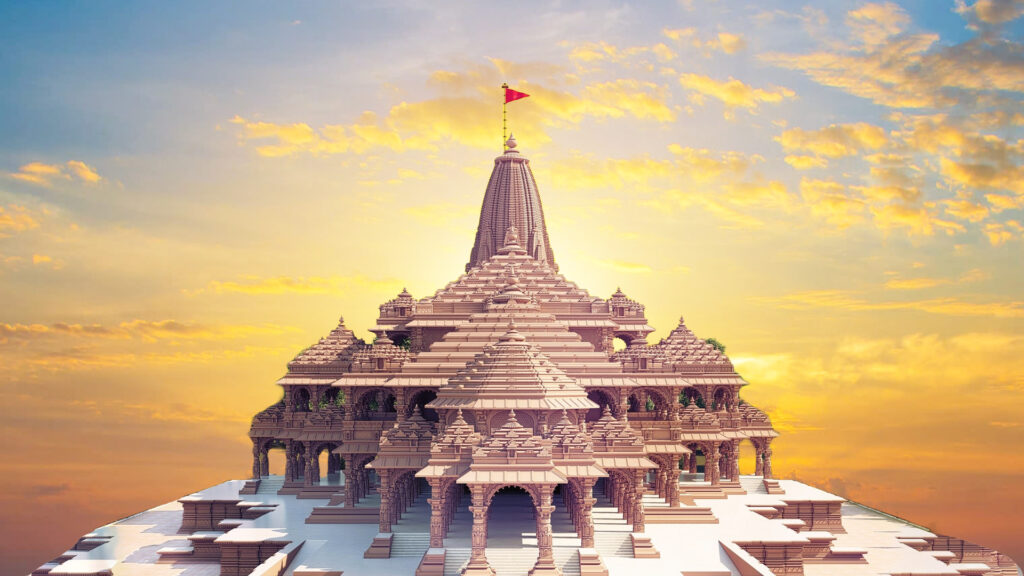
Ayodhya, located in Uttar Pradesh, is one of the most ancient and revered cities in India. Known as the birthplace of Lord Rama, it holds immense religious and cultural significance for Hindus worldwide. Ayodhya Tourist Places are not just about temples and shrines—they are about history, spirituality, and heritage. From sacred ghats along the Sarayu River to grand temples and cultural landmarks, Ayodhya offers travelers a journey into India’s timeless traditions.
🌍 The Significance of Ayodhya
Ayodhya is mentioned in ancient scriptures like the Ramayana, Atharva Veda, and various Puranas. It is considered one of the seven most sacred cities (Sapta Puri) in Hinduism. The city is also important for Buddhists, Jains, and Sikhs, making it a multi-religious pilgrimage destination.
- Spiritual Importance: Birthplace of Lord Rama, revered in Hinduism.
- Cultural Heritage: Associated with epics, festivals, and traditions.
- Tourism Growth: Attracts millions of pilgrims and tourists annually.
- Global Recognition: Ayodhya is now a prominent destination for international travelers seeking spiritual experiences.
🕉️ Major Ayodhya Tourist Places
1. Ram Janmabhoomi Temple
- The most significant site in Ayodhya.
- Believed to be the birthplace of Lord Rama.
- The newly constructed grand temple is a major attraction for devotees.
- Architectural marvel blending tradition with modern design.
2. Hanuman Garhi
- A fortress-like temple dedicated to Lord Hanuman.
- Located in the heart of Ayodhya.
- Devotees believe visiting Hanuman Garhi is essential before Ram Janmabhoomi.
- Offers panoramic views of the city.
3. Kanak Bhawan
- A temple gifted to Sita by Queen Kaikeyi after her marriage.
- Known for its golden idols of Lord Rama and Goddess Sita.
- A symbol of devotion and marital bliss.
4. Nageshwarnath Temple
- Dedicated to Lord Shiva.
- Believed to have been established by Kush, son of Lord Rama.
- Important during the Shivratri festival.
5. Treta Ke Thakur
- Houses idols of Lord Rama, Sita, Lakshmana, and Hanuman.
- Associated with the Ashwamedha Yajna performed by Lord Rama.
- A historic temple with deep spiritual significance.
6. Sarayu River Ghats
- Sacred river where devotees take holy dips.
- Evening aarti at the ghats is a mesmerizing experience.
- Popular ghats include Ram Ki Paidi and Guptar Ghat.
7. Mani Parbat and Sugriv Parbat
- Hillocks associated with the Ramayana.
- Believed to be parts of the mountain carried by Hanuman.
- Important pilgrimage spots with scenic views.
8. Tulsi Smarak Bhawan
- Dedicated to Goswami Tulsidas, author of Ramcharitmanas.
- Houses a library and museum showcasing Ramayana traditions.
- Cultural center for literature and devotional music.
9. Jain Shrines
- Ayodhya is also significant in Jainism.
- Birthplace of five Jain Tirthankaras.
- Jain temples here attract devotees from across India.
These destinations highlight the diversity of Ayodhya Tourist Places, blending spirituality with cultural richness.
🌱 Cultural and Spiritual Experiences
Ayodhya is not just about temples—it is about living traditions and spiritual practices.
- Festivals: Diwali and Ram Navami are celebrated with grandeur.
- Ramlila Performances: Traditional enactments of the Ramayana.
- Meditation & Prayer: Temples and ghats provide serene spaces.
- Local Cuisine: Sweets like peda and laddoo are popular among pilgrims.
These experiences make Ayodhya deeply immersive and memorable.
🧭 Benefits of Visiting Ayodhya Tourist Places
- Spiritual Growth: Pilgrims find peace and devotion.
- Cultural Learning: Visitors experience India’s epic traditions.
- Tourism Development: Boosts local businesses and hospitality.
- Community Bonding: Festivals and rituals bring people together.
Ayodhya is both a spiritual sanctuary and a cultural treasure.
🏞️ Challenges in Ayodhya Tourism
Despite its popularity, Ayodhya tourism faces challenges:
- Overcrowding: Major festivals attract huge crowds.
- Infrastructure Needs: Better facilities required for international tourists.
- Preservation Issues: Ancient temples and ghats need conservation.
- Awareness: Many lesser-known sites remain unexplored.
Addressing these challenges is crucial for sustainable tourism.
🔮 Future of Ayodhya Tourist Places
The future looks promising with government initiatives and global interest:
- Smart Tourism: Digital booking and virtual tours.
- Eco-Friendly Practices: Sustainable tourism initiatives.
- Global Outreach: Promoting Ayodhya as a spiritual hub worldwide.
- Wellness Tourism: Combining meditation, yoga, and Ayurveda with pilgrimages.
- Cultural Expansion: More focus on Ramlila, music, and literature festivals.
Ayodhya is positioning itself as a global center for spiritual and cultural tourism.
✨ Conclusion
Ayodhya Tourist Places are not just destinations—they are journeys into spirituality, culture, and history. From Ram Janmabhoomi to Hanuman Garhi, from Sarayu Ghats to Tulsi Smarak Bhawan, each site tells a story of devotion and tradition. Ayodhya attracts pilgrims, scholars, and travelers who seek peace, wisdom, and cultural immersion.
Ayodhya is timeless, and as more travelers seek meaningful experiences, it will continue to flourish as a celebration of faith, heritage, and unity.