A bright, white smile can boost confidence and make you feel more comfortable in everyday interactions. However, teeth whitening results do not last forever. Even after a successful whitening session, teeth may gradually lose their brightness due to daily habits, dietary choices, and natural changes in tooth structure. People who choose Teeth Whitening in Dubai often want to know how long their results will last and what they can do to maintain a beautiful smile. Understanding the reasons behind fading whitening results can help you protect your teeth and enjoy a brighter appearance for longer.
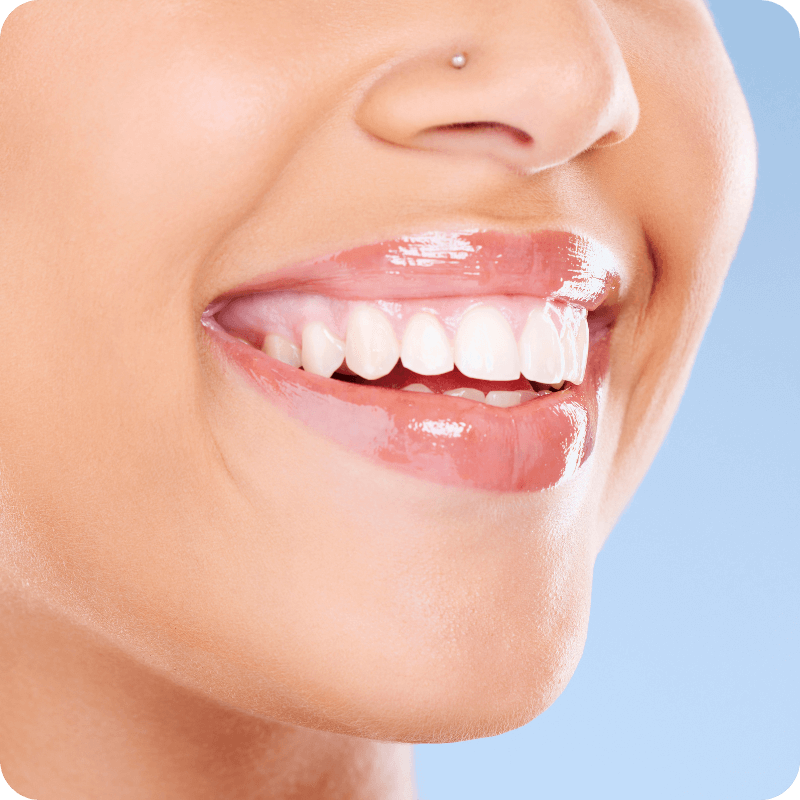
Why Do Teeth Whitening Results Fade?
Professional teeth whitening removes or reduces stains that have accumulated on the tooth surface and within the enamel. While whitening treatments can significantly improve tooth colour, they cannot prevent new stains from developing. Over time, teeth may become discoloured again, especially when exposed to staining substances or certain lifestyle habits.
The speed at which whitening results fade varies from person to person. Some people maintain their brighter smile for months, while others notice discolouration much sooner. Your oral hygiene routine, eating habits, and the type of whitening treatment you receive all play important roles.
Common Causes of Teeth Whitening Results Fading
Drinking Coffee, Tea, and Other Staining Beverages
Coffee, tea, red wine, and dark-coloured drinks are among the most common causes of tooth staining. These beverages contain pigments that can attach to the enamel and gradually make teeth appear yellow or dull.
Frequent consumption increases the chances of staining, particularly when you sip these drinks throughout the day. Even after professional whitening, regular exposure can affect the brightness of your smile.
Eating Foods with Strong Pigments
Certain foods contain intense natural or artificial colours that can contribute to tooth discolouration. Berries, tomato sauces, curry, soy sauce, and dark chocolate may leave stains when consumed frequently.
These foods do not necessarily need to be eliminated from your diet. However, rinsing your mouth with water after eating and maintaining proper brushing habits can help reduce the accumulation of pigments on your teeth.
Smoking and Tobacco Use
Smoking cigarettes and using other tobacco products can significantly affect the colour of your teeth. Nicotine and tar contribute to stubborn yellow or brown stains that may become difficult to remove with regular brushing.
Tobacco use can also negatively affect gum health, oral hygiene, and overall dental wellness. Avoiding tobacco is one of the most effective ways to maintain whitening results and support a healthier mouth.
How Daily Habits Affect Whitening Results
Inconsistent Oral Hygiene
Poor oral hygiene allows plaque to accumulate on tooth surfaces. Plaque is a sticky film of bacteria that can make teeth look dull and contribute to staining. When plaque hardens into tartar, it cannot be removed through ordinary brushing alone.
Brushing twice daily with fluoride toothpaste, flossing regularly, and attending routine dental check-ups can help maintain clean teeth and protect your whitening results.
Natural Ageing and Enamel Changes
Teeth naturally change as you grow older. Enamel gradually becomes thinner through everyday wear, allowing the yellowish dentin underneath to become more visible. This natural process can make teeth appear darker even if you maintain good oral hygiene.
Whitening treatments cannot stop the ageing process, which is why some people experience gradual changes in tooth colour over time.
Skipping Maintenance
Whitening results may fade faster when people completely neglect their maintenance routine. Occasional professional advice, suitable oral care products, and recommended touch-up treatments can help preserve the brightness achieved during whitening.
However, excessive whitening is not recommended. Using whitening products too frequently may cause sensitivity or gum irritation, so maintenance should always follow appropriate dental guidance.
How Can You Make Teeth Whitening Results Last Longer?
Maintaining a brighter smile does not require complicated routines. A few consistent habits can make a noticeable difference in how long whitening results remain visible.
-
Brush your teeth twice daily using fluoride toothpaste.
-
Floss every day to remove plaque between teeth.
-
Limit frequent consumption of coffee, tea, and dark-coloured beverages.
-
Rinse your mouth with water after consuming staining foods.
-
Avoid smoking and tobacco products.
-
Visit your dentist regularly for check-ups and professional cleaning.
-
Use whitening touch-up products only as recommended.
These habits help reduce new stains and support better oral health while preserving your smile’s appearance.
When Should You Consider Whitening Again?
If your teeth gradually return to their previous shade, you may consider another whitening session after consulting your dentist. The appropriate timing depends on your current tooth colour, enamel condition, sensitivity, and the whitening method previously used.
Not every type of discolouration responds equally to whitening. Some stains caused by medications, dental trauma, or internal changes in the tooth may require alternative cosmetic treatments. A dental professional can identify the cause and recommend a suitable approach.
Conclusion
Teeth whitening results fade over time because of staining foods and beverages, tobacco use, plaque accumulation, natural ageing, and inconsistent oral care. Although these changes are normal, maintaining healthy habits can help preserve a brighter smile for longer. By limiting staining substances, practising good oral hygiene, and following professional recommendations, you can enjoy your whitening results while keeping your teeth healthy, clean, and attractive.
