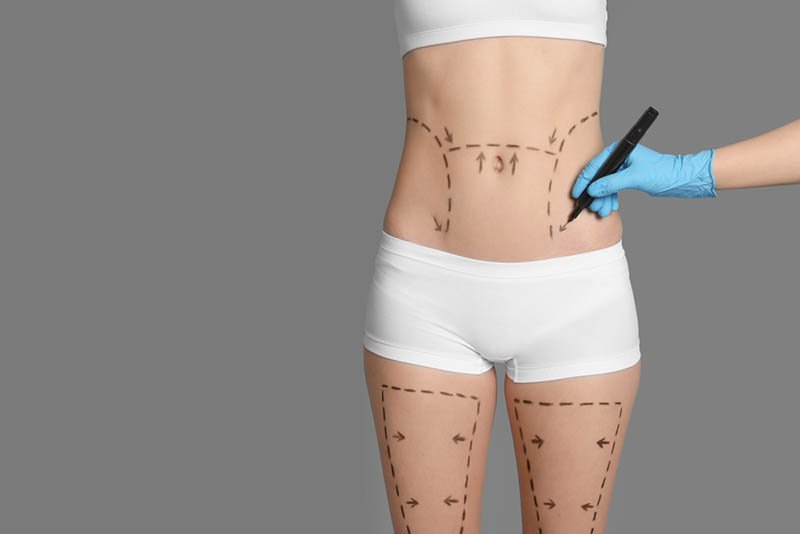
Achieving a well-defined body shape is not always easy, even with regular exercise and a balanced diet. Certain areas of the body tend to retain stubborn fat deposits that do not respond easily to traditional weight management methods. These areas may include the abdomen, waist, thighs, arms, back, and chin. For individuals looking to improve their body contours, modern cosmetic procedures offer different approaches to addressing unwanted fat. One increasingly popular option is Vaser Liposuction, an advanced body-contouring technique that uses ultrasound energy to assist in removing unwanted fat cells.
Unlike conventional fat removal approaches, this technology is designed to selectively target fatty tissue while helping preserve surrounding structures. It can be used to improve body proportions and create smoother, more defined contours. Understanding how the procedure works, its potential benefits, and the recovery process can help individuals make informed decisions about their cosmetic goals.
What Is Vaser Liposuction?
Vaser Liposuction is a minimally invasive cosmetic procedure that uses ultrasound-assisted technology to break down unwanted fat before it is removed from the body. The term VASER stands for Vibration Amplification of Sound Energy at Resonance. This technology delivers controlled ultrasound energy through a specialised probe to help separate fat cells from surrounding connective tissue.
Once the fat has been loosened, it can be gently extracted using a thin suction cannula. The technique is commonly used for body sculpting rather than general weight loss. Its purpose is to address localised fat deposits and improve the appearance of specific body areas.
The procedure may be suitable for people who are relatively close to their ideal weight but struggle with stubborn fat pockets. A consultation with a qualified cosmetic surgeon is necessary to determine whether this approach is appropriate for an individual’s anatomy and expectations.
How Does the Vaser Technology Work?
The procedure begins with the administration of anaesthesia, depending on the treatment area and the extent of fat removal. Small incisions are then made to allow the surgeon to introduce a specialised ultrasound probe beneath the skin.
The probe delivers ultrasonic energy that helps disrupt the structure of fat cells. This process makes the targeted fat easier to remove while aiming to minimise unnecessary trauma to surrounding tissues.
After the fat has been emulsified, the surgeon uses a suction cannula to remove it. The technique allows for controlled fat extraction and may help create more refined contours in selected areas.
The procedure is performed by a trained medical professional who adjusts the treatment according to the patient’s body structure, treatment goals, and safety requirements.
Areas That Can Be Treated
One of the advantages of ultrasound-assisted body contouring is its versatility. Different areas can be considered depending on the patient’s needs and medical suitability.
Abdomen and Waist: The abdominal region is a common treatment area because stubborn fat around the stomach can affect the overall body shape. Treatment may help reduce localised fat deposits and create a more defined waistline.
Flanks and Love Handles: Fat around the sides of the waist can make the torso appear wider. Targeted fat removal may improve the transition between the waist and hips.
Thighs: Inner and outer thigh fat can sometimes remain despite lifestyle changes. Body contouring may help improve proportions and create a more balanced appearance.
Arms: Excess fat around the upper arms can affect their shape. Selected patients may benefit from treatment designed to improve arm contours.
Back: Fat deposits around the upper and lower back can create uneven body contours. Treatment may help refine these areas.
Chin and Neck: In suitable candidates, smaller treatment areas such as the chin may also be considered to improve the appearance of the jawline and neck.
Not every patient is suitable for every treatment area. Skin elasticity, fat distribution, general health, and individual anatomy all influence the treatment plan.
Key Benefits of Ultrasound-Assisted Fat Removal
Modern body-contouring techniques are designed to offer more targeted approaches to fat removal. The potential benefits of this procedure include:
Targeted Fat Reduction: Ultrasound technology helps focus treatment on specific fat deposits rather than treating the entire body as a weight-loss approach.
Improved Body Contours: Removing localised fat may help create better definition around the waist, abdomen, arms, and other selected areas.
Controlled Fat Extraction: The technique allows surgeons to work on targeted areas with greater control during fat removal.
Potential for Enhanced Definition: In carefully selected patients, the procedure may help highlight natural muscle contours and improve body proportions.
Versatility: Several body regions can potentially be treated, depending on the patient’s suitability and the surgeon’s assessment.
It is important to understand that individual results vary. The outcome depends on factors such as skin quality, body composition, the amount of fat removed, and the healing process.
Who Is an Ideal Candidate?
Choosing the right candidate is an important part of achieving safe and satisfactory results. This procedure is generally considered for adults who have localised fat deposits and are looking to improve their body shape rather than lose a significant amount of weight.
Potential candidates typically:
- Maintain a relatively stable body weight.
- Have stubborn fat deposits in specific areas.
- Have reasonably good skin elasticity.
- Maintain realistic expectations about cosmetic results.
- Are in suitable general health for surgery and anaesthesia.
- Understand the importance of following postoperative instructions.
People with significant skin laxity may require a different procedure or an additional skin-tightening approach. Similarly, individuals with certain medical conditions, bleeding disorders, or other surgical risk factors may not be suitable candidates.
A detailed medical assessment is essential before proceeding.
What Happens During the Treatment?
Before the procedure, the surgeon examines the treatment areas, reviews the patient’s medical history, and discusses the desired outcome. Photographs and body measurements may also be taken to support treatment planning.
On the day of surgery, the selected areas are prepared, and appropriate anaesthesia is administered. Small incisions are made, allowing the ultrasound probe to access the targeted fatty tissue.
Ultrasound energy is then applied to loosen the fat cells. The surgeon carefully removes the treated fat using a specialised cannula and shapes the area according to the agreed treatment plan.
The length of the procedure varies depending on the number of areas being treated and the amount of fat involved. Some patients may return home on the same day, while others may require additional observation depending on the extent of surgery and their medical circumstances.
Recovery and Aftercare
Recovery is an important part of the overall treatment experience. Although ultrasound-assisted fat removal is designed to target fat selectively, patients should still expect some swelling, bruising, tenderness, and temporary discomfort.
Compression garments are commonly recommended to support the treated areas and help manage swelling. The surgeon will explain how long these garments should be worn.
During the initial recovery period, patients may need to limit strenuous activities and avoid heavy exercise. Light walking is often encouraged when medically appropriate because it supports circulation.
Other aftercare recommendations may include:
- Keeping incision sites clean and following wound-care instructions.
- Taking prescribed medication as directed.
- Attending scheduled follow-up appointments.
- Avoiding intense physical activity until cleared by the surgeon.
- Maintaining adequate hydration and a balanced diet.
- Contacting the medical team if unusual pain, fever, increasing redness, or other concerning symptoms develop.
Recovery timelines differ between individuals. Swelling may take several weeks or longer to settle, and final body contours can take several months to become apparent.
Vaser Liposuction vs Traditional Liposuction
Both techniques aim to remove unwanted fat, but they use different approaches to achieve this goal.
Traditional liposuction generally involves mechanically loosening and removing fat through a cannula. In comparison, the ultrasound-assisted technique uses energy to help separate fat cells before extraction.
The ultrasound approach may offer advantages for selected body-contouring procedures, particularly when more detailed shaping is required. However, it is not automatically better for every patient or every treatment area.
Traditional liposuction may remain an appropriate option depending on the amount of fat, the treatment location, skin characteristics, and the surgeon’s expertise.
The best technique should be selected according to individual needs rather than popularity or marketing claims.
Potential Risks and Side Effects
Like all surgical procedures, ultrasound-assisted fat removal carries potential risks. Temporary swelling, bruising, numbness, discomfort, and fluid accumulation can occur during recovery.
Less common but more serious complications may include infection, bleeding, irregular contours, skin burns, changes in skin sensation, blood clots, and complications associated with anaesthesia.
The risk profile depends on the patient’s health, the extent of treatment, and the experience of the medical professional performing the procedure.
Selecting a qualified surgeon, undergoing proper medical screening, and following postoperative instructions can help reduce avoidable risks. Patients should discuss potential complications and expected outcomes during their consultation.
How to Maintain Your Results
Fat cells removed during the procedure do not normally grow back in the same way. However, the remaining fat cells can still increase in size if a person gains weight. This means that maintaining a stable body weight is important for preserving the results.
A healthy lifestyle can support long-term body contouring outcomes. Regular physical activity, balanced nutrition, sufficient sleep, and consistent hydration all contribute to overall wellbeing.
Patients should also understand that this procedure does not prevent future weight gain, stop natural ageing, or replace a healthy lifestyle. Maintaining realistic expectations is essential for long-term satisfaction.
Is Vaser Liposuction Worth Considering?
For individuals who struggle with localised fat deposits despite maintaining a healthy lifestyle, ultrasound-assisted fat removal may be worth exploring. Its targeted approach can help improve body proportions and create more defined contours in appropriately selected patients.
However, it is not a treatment for obesity or a substitute for weight management. The most suitable approach depends on individual anatomy, skin elasticity, medical history, and desired results.
A professional consultation provides an opportunity to understand the available options, evaluate potential risks, and establish realistic expectations before making a decision.
Conclusion
Modern cosmetic procedures continue to offer new possibilities for people interested in improving their body contours. With its ultrasound-assisted approach, Vaser Liposuction provides a targeted option for addressing stubborn fat deposits and refining selected areas of the body. Understanding the procedure, recovery requirements, potential complications, and long-term maintenance is essential before choosing treatment. Individuals considering body contouring can consult the experienced medical team at Euromed Clinic Dubai to discuss their aesthetic goals, receive a personalised assessment, and explore suitable treatment options based on their individual needs.
