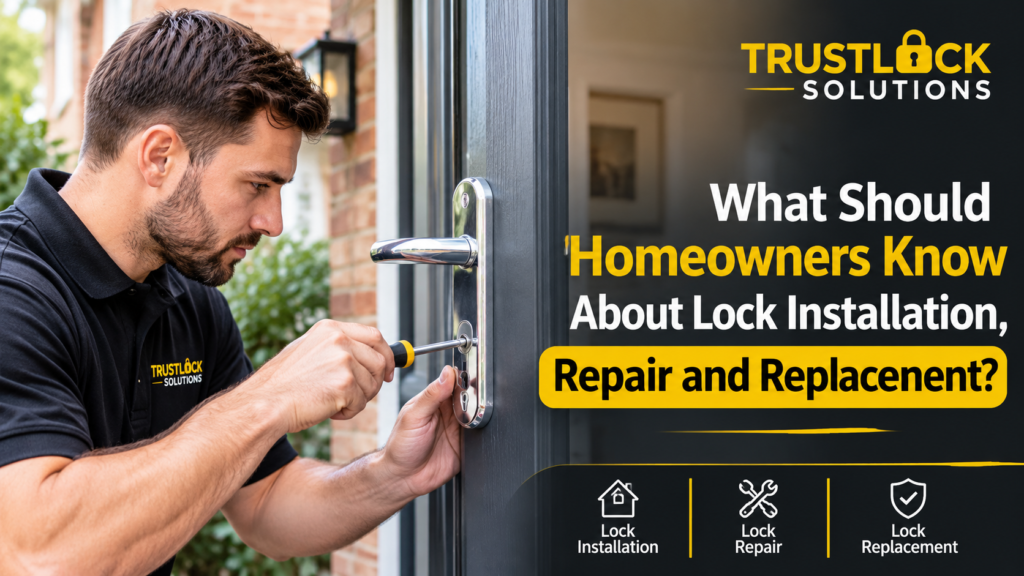
What Should Homeowners Know About Lock Installation, Repair and Replacement?
Home security starts with something most homeowners use every day but rarely think about: their door locks. Whether you are entering your home after work, securing your property before going on holiday, or protecting your family while everyone is asleep, reliable locks play an essential role in everyday safety.
However, locks do not last forever. Keys can become difficult to turn, mechanisms can wear out, and older locking systems may no longer provide the level of protection homeowners expect. With growing interest in modern home security, including smart locking systems and upgraded anti-snap cylinders, knowing when to install, repair or replace a lock has become increasingly important.
For homeowners in Chatham, choosing the right locksmith service can make a significant difference to property security and convenience. A professional locksmith can assess existing locks, identify mechanical problems and recommend suitable solutions based on the door type, property requirements and security concerns.
TrustLock Solutions understands the importance of dependable home security. This guide explains what homeowners should know about lock installation, repair and replacement, helping you make informed decisions about protecting your property.
Why Are Good Quality Door Locks Important for Home Security?
Door locks are one of the first lines of defence against unauthorised access. Even if your property has security cameras, alarms and outdoor lighting, weak or damaged locks can create unnecessary security risks.
A properly installed lock helps secure entry points and provides greater confidence that doors are functioning as intended.
Here are some important reasons to maintain good quality locks:
- Protection against unauthorised entry: Reliable locks make it more difficult for intruders to gain access.
- Everyday convenience: Smoothly operating locks reduce the frustration of struggling with keys or stiff mechanisms.
- Property protection: Secure doors help protect furniture, electronics, personal belongings and other valuables.
- Peace of mind: Homeowners can feel more confident when leaving their property unattended.
- Improved access management: Suitable locking systems make it easier to manage keys and access for family members.
For homeowners in Chatham, checking the condition of door locks should be part of regular property maintenance rather than something considered only after a problem occurs.
When Should You Consider Professional Lock Installation?
Installing a new lock is not simply about fitting a mechanism into a door. The lock must be suitable for the door material, thickness, design and security requirements.
Incorrect installation can affect the locking mechanism, prevent proper alignment and reduce the overall effectiveness of the system.
There are several situations when professional lock installation may be necessary.
1. Moving Into a New Property
One of the first security steps after moving into a new home should be reviewing the existing locks.
Previous owners, tenants, contractors or other individuals may still have keys. Even when a property appears secure, homeowners cannot always know how many copies of the original keys exist.
Installing new locks or replacing existing cylinders can help establish control over who has access to the property.
2. Upgrading Older Locking Systems
Older locks may not offer the same security features as modern alternatives. Worn mechanisms, outdated cylinders and poor-quality fittings can create potential weaknesses.
Homeowners may consider upgrading to modern locking systems designed with additional security features.
For example, anti-snap euro cylinders can provide additional protection against certain forced-entry techniques when correctly specified and installed.
3. Installing Locks on New Doors
New doors often require compatible locking hardware. The correct lock depends on whether the door is timber, uPVC, composite or another material.
A professional locksmith can assess the door and recommend an appropriate locking solution.
4. Improving Security After a Break-In
Following a burglary or attempted break-in, damaged locks should be assessed promptly.
Even when a lock appears to be working, internal components or surrounding fittings may have been compromised. Replacing damaged hardware can help restore the security of the entrance.
What Types of Door Locks Should Homeowners Know About?
Different doors and properties require different locking solutions. Understanding the main types of locks can help homeowners have more informed discussions with a locksmith.
Euro Cylinder Locks
Euro cylinder locks are commonly used with uPVC and composite doors. They operate through a cylinder mechanism that works with the door’s multipoint locking system.
When selecting a replacement cylinder, homeowners should consider suitable security features, including anti-snap protection, and ensure the cylinder dimensions are correct.
Mortice Locks
Mortice locks are fitted inside a cut-out section of the door. They are commonly found on timber doors and are available in different configurations.
Some homeowners choose mortice deadlocks for additional security, particularly when combined with other suitable door hardware.
Night Latches
Night latches are typically fitted to the inside surface of a door, with a corresponding cylinder on the exterior.
They allow the door to close and latch automatically, depending on the model. Some designs include additional features to prevent unwanted operation from outside.
Multipoint Locking Systems
Multipoint locks are frequently used on modern uPVC and composite doors.
Rather than securing the door at one point, the mechanism engages at several locations along the door frame. This can provide improved resistance when the system is correctly installed, adjusted and maintained.
Smart Door Locks
Smart locks are becoming an increasingly popular consideration for homeowners interested in convenient access management.
Depending on the model, they may offer features such as:
- Smartphone-controlled locking and unlocking.
- Keypad entry.
- Temporary access codes.
- Remote access management.
- Activity notifications.
- Integration with compatible smart home systems.
However, not every smart lock is suitable for every door. Homeowners should consider battery requirements, emergency access arrangements, compatibility and the manufacturer’s security information before choosing a system.
What Are the Signs That Your Door Lock Needs Repair?
A faulty lock does not always need complete replacement. In many cases, a professional locksmith can identify the problem and determine whether repairing or adjusting the mechanism is a suitable option.
Recognising early warning signs can help prevent a minor issue from developing into a more serious security or access problem.
1. The Key Is Difficult to Turn
If you need to apply excessive force when turning a key, the cylinder or internal mechanism may be experiencing a problem.
The issue could also be related to door alignment rather than the lock itself.
Avoid forcing the key because this may cause it to bend or break inside the cylinder.
2. The Lock Feels Loose
A loose cylinder, handle or locking component should not be ignored.
Loose fittings can affect normal operation and may indicate that components require adjustment, tightening or replacement.
3. The Key Gets Stuck
Keys that frequently become stuck can indicate internal wear, damage or an alignment issue.
Repeatedly pulling or twisting a stuck key can make the situation worse.
4. The Door Does Not Lock Properly
If the door closes but the locking mechanism does not engage correctly, the problem may involve the strike plate, multipoint mechanism, hinges or cylinder.
A professional inspection can help identify the actual cause.
5. The Lock Makes Unusual Noises
Grinding, clicking or scraping sounds during operation may suggest that internal parts are worn or that the locking mechanism is not aligned correctly.
These signs are worth investigating before the lock stops working altogether.
When Is Lock Replacement Better Than Repair?
Deciding between lock repair and replacement depends on the condition of the existing mechanism, the extent of the damage and the homeowner’s security requirements.
Repair may be suitable when the issue involves minor adjustments, loose fittings or a mechanism that can be restored to proper working condition.
However, replacement is often the more appropriate option in certain situations.
After Losing Your Keys
If your house keys are lost or stolen, you may not know who could gain access to your property.
Replacing the affected lock or cylinder can help prevent the lost keys from being used.
Following a Burglary or Attempted Break-In
Locks damaged during forced entry should be professionally inspected. If the cylinder, mechanism or surrounding hardware has been compromised, replacement may be necessary.
When the Lock Is Severely Worn
Locks that repeatedly fail, become difficult to operate or show visible damage may no longer provide dependable performance.
Installing a suitable replacement can reduce recurring problems.
When Upgrading Home Security
Sometimes a lock still functions but no longer meets the homeowner’s security expectations.
Replacing an older locking system with a suitable modern alternative may improve security features and everyday convenience.
When Keys Have Been Shared Widely
Landlords, homeowners and property managers may need to reconsider their locks when several previous occupants or contractors have had access to the original keys.
Changing the cylinder can help restore control over property access.
What Should Homeowners Consider Before Choosing a Replacement Lock?
Selecting a replacement lock requires more consideration than simply choosing the cheapest available option.
The right choice should balance security, compatibility, durability and ease of use.
Door Compatibility
The replacement lock must match the door’s design and existing locking arrangement.
A euro cylinder, mortice lock and multipoint mechanism are not interchangeable in every situation.
Security Features
Look for relevant security features that address common forced-entry methods.
Depending on the lock type, these may include:
- Anti-snap protection.
- Anti-drill protection.
- Anti-pick features.
- Anti-bump protection.
- Reinforced locking components.
The availability and effectiveness of these features depend on the specific product.
British Standards and Security Ratings
Homeowners should also consider recognised security standards when selecting locks.
For example, BS 3621 is a British Standard associated with thief-resistant locks operated by a key from both sides.
For suitable euro cylinder applications, TS 007 security ratings and Sold Secure certification may also be relevant.
The appropriate standard depends on the lock type, door configuration and property requirements. Homeowners should check the product’s actual certification rather than relying on general marketing descriptions.
Ease of Operation
A secure lock should also be practical for everyday use.
Consider whether family members can operate it comfortably and whether the locking arrangement provides suitable access from both sides.
Long-Term Reliability
Quality materials and proper installation can contribute to reliable performance.
A suitable lock should operate smoothly without requiring excessive force or frequent adjustments.
Why Is Professional Lock Installation Better Than DIY Fitting?
Some homeowners may be tempted to install or replace locks themselves. While certain straightforward tasks may appear simple, incorrectly fitting a lock can create security and operational problems.
Professional locksmith services offer several important advantages.
Correct product selection: A locksmith can help identify a lock that matches the door and its existing mechanism.
Accurate installation: Correct fitting and alignment help ensure that the locking system operates as intended.
Problem identification: A locksmith can recognise issues involving the cylinder, hinges, handles, multipoint mechanism and door frame.
Security recommendations: Professional advice can help homeowners identify suitable improvements based on their property’s requirements.
Reduced risk of damage: Incorrect drilling, cutting or fitting can damage the door and surrounding hardware.
For homeowners in Chatham, using an experienced local locksmith can make lock installation and replacement more straightforward.
How Can Homeowners Maintain Their Door Locks?
Regular maintenance can help extend the useful life of door locks and identify problems before they become serious.
Here are some practical maintenance considerations.
Keep Locks Clean
Dust and dirt can accumulate around keyholes and locking components. Keep exposed areas clean and avoid introducing unsuitable substances into the mechanism.
Avoid Forcing Keys
If a key does not turn smoothly, investigate the problem rather than applying additional force.
Forcing a key can cause it to bend or break.
Check Door Alignment
Changes in temperature, regular use and natural movement can affect door alignment.
If the door becomes difficult to close or lock, the hinges or frame may need attention.
Inspect Handles and Fittings
Check that handles, screws and visible locking components remain secure.
Loose fittings should be addressed before they affect the operation of the entire mechanism.
Arrange Professional Inspections
If a lock becomes stiff, unreliable or difficult to operate, professional assessment can help identify the cause.
Avoid waiting until the lock completely fails, particularly when it secures your main entrance.
Why Should Chatham Homeowners Choose a Local Locksmith?
When a lock develops a problem, finding a reliable locksmith who understands the needs of local homeowners can make the process easier.
A local locksmith service can help with everyday lock problems, security improvements and urgent access requirements.
For homeowners in Chatham, TrustLock Solutions provides a local point of contact for locksmith assistance.
Choosing a professional service can offer several benefits:
- Support with lock installation and replacement.
- Assessment of faulty or damaged locking mechanisms.
- Advice on suitable security upgrades.
- Assistance with different residential door types.
- Help addressing problems that affect everyday access.
- Practical recommendations based on the property’s existing hardware.
Rather than replacing every lock without understanding the problem, a professional locksmith can assess the situation and recommend an appropriate solution.
Are Smart Locks a Good Choice for Modern Home Security?
Smart locks are attracting attention as more homeowners explore connected home security and convenient access management.
Unlike traditional key-operated systems, smart locks may allow users to control access through a keypad, smartphone application or other compatible technology.
They can be useful for households that regularly manage access for family members, visitors or trusted service providers.
However, smart locks are not automatically more secure than traditional locks.
Before choosing one, consider:
- Whether the lock is compatible with your existing door.
- How it operates if the battery runs out.
- Whether an emergency key or alternative entry method is available.
- How access codes and user permissions are managed.
- Whether the product has appropriate security testing and certification.
- Whether the manufacturer provides ongoing software and security support.
A professionally selected and installed smart lock can offer convenience, but its suitability should always be assessed alongside the physical security of the door.
What Mistakes Should Homeowners Avoid When Dealing With Door Locks?
Some common mistakes can reduce the effectiveness of an otherwise suitable locking system.
Homeowners should avoid the following:
Ignoring early warning signs: A stiff or unreliable lock may become completely unusable if the underlying issue is not addressed.
Choosing locks based only on price: The cheapest option may not provide the required compatibility, durability or security features.
Assuming all cylinders are the same: Cylinder dimensions, configurations and security features vary.
Forcing damaged keys: Excessive force can turn a manageable problem into a broken-key situation.
Overlooking the door frame: A good lock cannot compensate for a damaged frame or poorly fitted door.
Forgetting spare keys: Uncontrolled key duplication can create unnecessary access concerns.
Installing incompatible hardware: A lock that does not match the door can affect both security and everyday operation.
Avoiding these mistakes can help homeowners maintain more dependable property security.
Frequently Asked Questions About Lock Installation, Repair and Replacement
1. How Often Should Homeowners Replace Their Door Locks?
There is no universal replacement schedule. A lock should be assessed when it becomes damaged, unreliable, excessively worn or unsuitable for the property’s security requirements. Replacement may also be advisable after moving into a new home or losing keys.
2. Can a Locksmith Repair a Faulty Door Lock?
Yes. Depending on the problem, a locksmith may be able to adjust the mechanism, resolve alignment issues, secure loose fittings or repair certain components. Replacement may be recommended if the lock is severely damaged or worn.
3. Should I Replace My Locks After Moving Into a New House?
Replacing the locks or cylinders is a sensible security precaution because previous occupants or other individuals may still possess keys. It helps you establish control over who can access your property.
4. Are Anti-Snap Locks Worth Installing?
Anti-snap cylinders are designed to provide additional protection against lock snapping, a forced-entry technique associated with certain euro cylinder locks. Choosing an appropriately rated and correctly installed cylinder can improve the security of compatible doors.
5. Can a Locksmith Replace a uPVC Door Lock?
Yes. A locksmith can assess the existing uPVC locking system and determine whether the cylinder, gearbox, multipoint mechanism or another component requires attention.
6. How Do I Know Whether My Lock Needs Repair or Replacement?
If the problem involves minor alignment issues or loose fittings, repair may be sufficient. If the lock is badly damaged, repeatedly failing or no longer meets your security requirements, replacement may be more appropriate.
7. Are Smart Locks Suitable for Every Home?
No. Smart locks have different compatibility requirements and may not suit every door. Homeowners should consider door construction, access arrangements, battery backup and security certification before installation.
8. Why Should I Hire a Professional Locksmith in Chatham?
A professional locksmith can assess your existing locks, identify the source of mechanical problems and recommend suitable installation, repair or replacement options. This helps ensure that the chosen solution matches your property’s requirements.
Secure Your Home With Professional Lock Services in Chatham
Reliable door locks are an essential part of protecting your home, family and belongings. Whether you need a new lock installed, an existing mechanism repaired or an outdated cylinder replaced, choosing the right solution can make a meaningful difference to your property’s security.
The most effective approach is to address lock problems early, select compatible security hardware and ensure that installation is completed correctly.
TrustLock Solutions is here to help homeowners in Chatham with their residential locksmith requirements. If your door lock is becoming difficult to operate, has been damaged or needs a security upgrade, professional assistance can help you find the right solution.
Looking for dependable lock installation, repair or replacement in Chatham? Contact TrustLock Solutions today and take the next step towards a safer, more secure home.