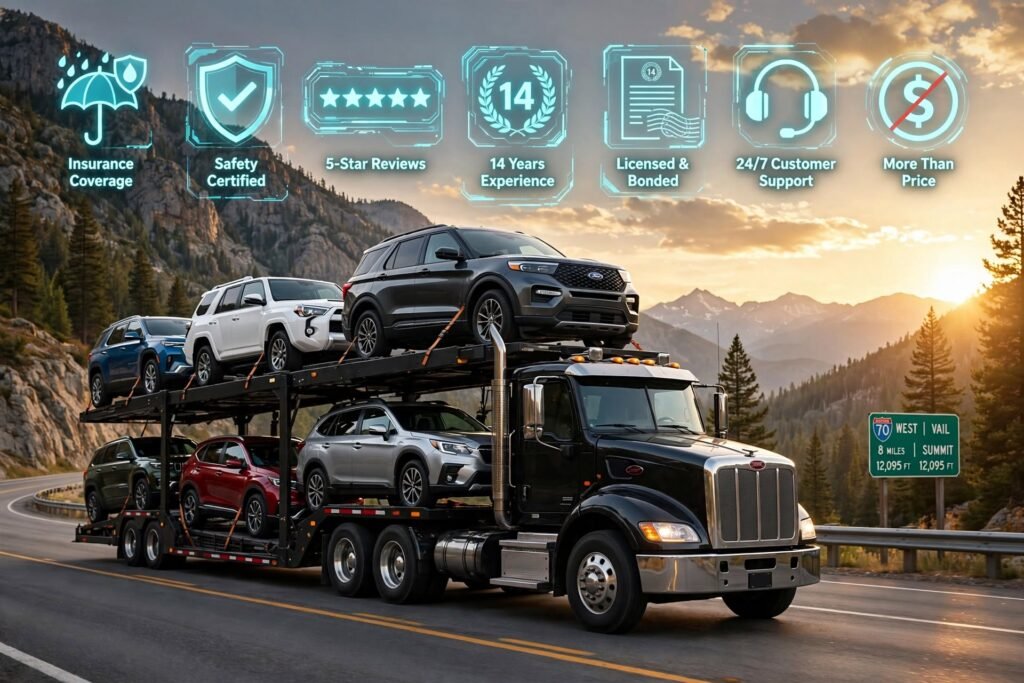
When people need to move a vehicle across the United States, one of their first steps is collecting shipping quotes. A few online searches can produce several estimates, and choosing the lowest number may seem like an easy way to save money. However, vehicle transportation involves more than finding an affordable rate.
Different providers offer different service arrangements, communication standards, insurance provisions, and pickup expectations. Two quotes for the same route might look similar initially but provide very different customer experiences. That is why comparing car shipping companies requires a closer look at what each provider actually offers.
For anyone relocating, purchasing a vehicle from another state, or arranging seasonal transportation, understanding these differences can prevent unnecessary complications.
A Cheap Quote Does Not Tell the Whole Story
Imagine purchasing a vehicle in California and arranging delivery to your home in Pennsylvania. You contact three transportation providers and receive three different estimates.
The cheapest quote immediately catches your attention. But before accepting it, consider a few questions:
- Does the estimate include the transportation method you requested?
- Is the pickup window clearly explained?
- Are there additional charges under certain circumstances?
- What happens if the original carrier cannot complete the assignment?
- How will you receive updates during transportation?
A low initial estimate is not necessarily a problem. The concern arises when important service details remain unclear.
Customers should compare the complete transportation arrangement rather than judging providers by their advertised prices alone.
Five Details Worth Investigating Before You Book
Instead of creating a shortlist based entirely on cost, evaluate each provider using these practical considerations.
- Business Credentials and Industry Experience
Check the company’s business identity and applicable federal transportation records. For interstate transportation, FMCSA resources can help customers review carrier and broker registration information.
Experience is another useful consideration. A company familiar with different vehicle types, routes, and shipping arrangements may be better prepared to explain the process.
- Insurance and Vehicle Protection
Ask how transportation coverage works and who is responsible for providing it. Request information about the carrier’s cargo insurance and understand the claims procedure.
Do not assume every transportation arrangement offers identical protection.
- Pickup and Delivery Expectations
Some customers need a vehicle delivered near an apartment complex, while others require transportation to a dealership or residential property.
Ask whether door-to-door arrangements are available and whether truck-access limitations could require an alternative meeting location.
- Communication During Transit
A vehicle traveling across several states should not become difficult to track from the customer’s perspective.
Find out whether the provider offers shipment updates, carrier contact information, and assistance when schedules change.
- Written Terms and Payment Conditions
Review the quote, cancellation policy, payment schedule, and any conditions that could change the final amount.
A provider that explains these details clearly gives customers a better understanding of what they are agreeing to.
The Difference Between Two Quotes Can Be Hidden in the Service
Consider these hypothetical offers for transporting the same sedan from Chicago to Dallas.
| Comparison | Provider A | Provider B |
| Initial quote | $750 | $900 |
| Transport method | Open | Open |
| Pickup expectations | Not clearly explained | Agreed pickup window |
| Shipment updates | Limited details | Regular updates |
| Insurance information | Requires clarification | Documentation available |
| Written terms | Basic estimate | Detailed service terms |
Provider A appears cheaper. However, Provider B provides more information about scheduling, communication, and coverage.
This does not automatically make Provider B the better choice. Customers should verify every detail with both providers. The example simply illustrates why the lowest number cannot independently establish the best value.
What Happens After You Confirm a Shipment?
The booking process is another area where transportation providers may differ.
A typical interstate shipment involves several stages:
- Booking confirmation: The provider reviews vehicle details, route information, and scheduling preferences.
- Carrier arrangement: Transportation is coordinated with an appropriate carrier.
- Pickup inspection: The vehicle’s existing condition is documented before loading.
- Transit coordination: The vehicle travels toward its destination while the customer receives available updates.
- Delivery inspection: The customer checks the vehicle against the original inspection report before completing delivery paperwork.
Understanding this sequence helps customers recognize whether a provider has explained the complete process or only focused on collecting a booking.
Why Different Customers Need Different Shipping Arrangements
Not every vehicle owner has the same transportation requirements. The right company should be able to explain which service options match the shipment.
- Open transportation
Suitable for everyday cars, sedans, SUVs, and many standard vehicles.
- Enclosed transportation
Worth considering for classic, exotic, luxury, and collectible vehicles.
Other requirements may include expedited pickup, door-to-door service, multi-vehicle shipping, or transportation for non-running cars.
For example, a family moving from New Jersey to Georgia might prioritize a convenient pickup arrangement. A collector transporting a vintage automobile may place greater importance on enclosed shipping.
Comparing providers becomes easier when customers first identify their actual requirements.
How Rapid Auto Shipping Approaches Vehicle Transportation
When evaluating car shipping companies, customers should look for clear service information, suitable transportation options, and dependable communication.
Rapid Auto Shipping serves customers across all 50 states and brings more than 14 years of industry experience. Its transportation services include:
- Open and enclosed vehicle shipping.
- Door-to-door transportation arrangements.
- Expedited shipping options.
- Free instant quotes.
- Real-time shipment updates.
- Fully insured transportation arrangements.
Customers can share their pickup ZIP code, delivery ZIP code, vehicle details, and preferred dates to begin the quoting process.
Before confirming a shipment, it is still important to review the applicable service terms, carrier information, and insurance documentation.
Make the Comparison Before Making the Commitment
Selecting a transportation provider should involve more than finding the smallest number on a quote. Scheduling, insurance arrangements, carrier information, communication, and written terms all contribute to the overall experience.
Before booking, take time to investigate what each provider actually offers. Ask direct questions, compare equivalent services, and avoid making decisions based on incomplete estimates.
With the right research, choosing among car shipping companies becomes a more informed decision. Rapid Auto Shipping gives vehicle owners across the USA access to nationwide transportation options, helping them organize their next vehicle shipment with greater confidence.
Frequently Asked Questions
- How many car shipping companies should I compare?
Comparing three or four providers is a practical starting point. It gives you an opportunity to evaluate pricing, transportation options, scheduling, and service conditions.
- Why do car shipping quotes differ for the same route?
Quotes may vary because of carrier availability, vehicle dimensions, route demand, transport type, pickup location, and scheduling requirements.
- Are the cheapest car shipping companies always unreliable?
No. An affordable quote does not automatically indicate poor service. However, customers should verify what is included and check the provider’s credentials before booking.
- How can I check whether an auto transportation provider is legitimate?
Review its business identity, applicable FMCSA registration information, insurance arrangements, customer feedback, and written service terms.
- Should I choose open or enclosed vehicle shipping?
Open transportation is commonly suitable for standard vehicles. Enclosed transportation offers additional protection from weather and road debris and is often preferred for valuable specialty vehicles.
- Can I arrange vehicle shipping without being present at pickup?
In many cases, yes. You can arrange for a trusted representative to coordinate the inspection and paperwork, provided the transportation company agrees to the arrangement.