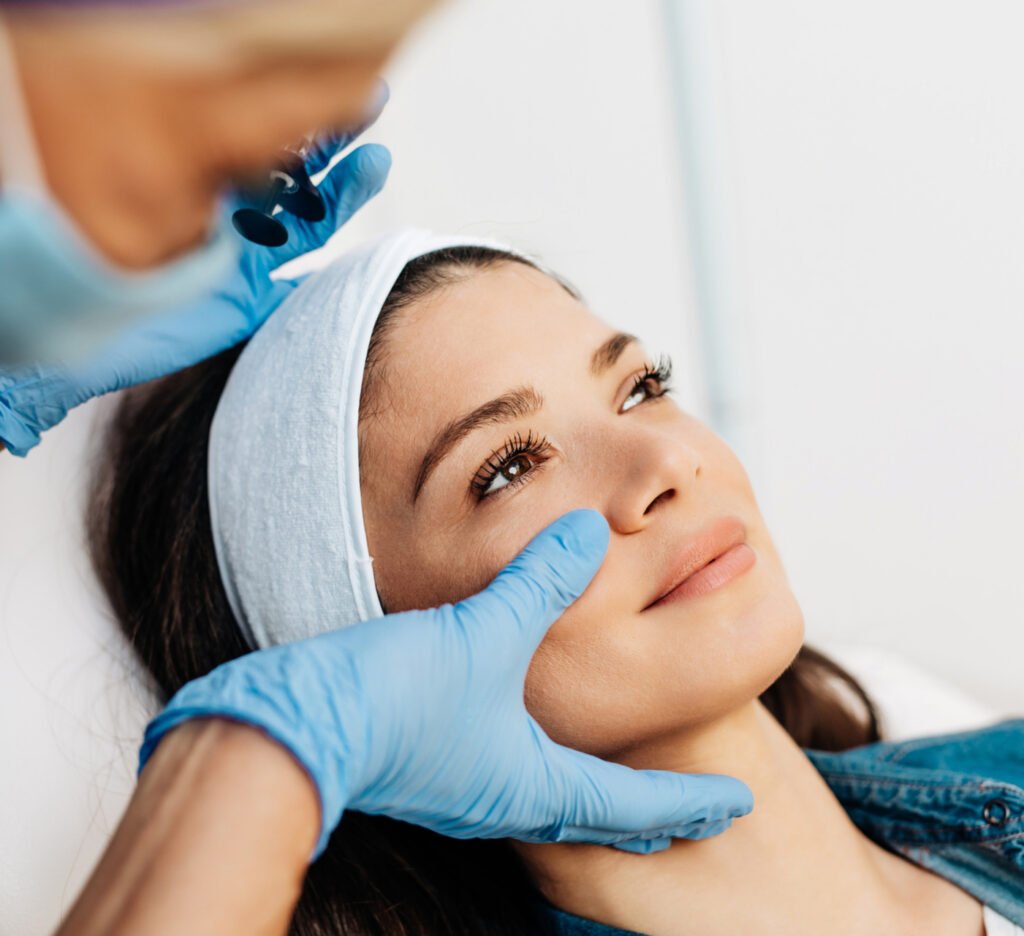
Attractive young woman is getting a rejuvenating facial injections at beauty clinic. The expert beautician is filling female wrinkles by botulinum.
Skin concerns such as moles, skin tags, cysts, lipomas and other small skin growths can affect a person’s comfort, confidence and everyday activities. Although many of these conditions are harmless, some may require professional assessment to determine their nature and whether removal is appropriate. Choosing the right removal technique is an important part of achieving a suitable clinical outcome while preserving the surrounding skin as much as possible.
Skin Surgery in UK includes a range of minor surgical procedures designed to assess and remove selected skin lesions. The technique used depends on several factors, including the type of growth, its size, depth, location and appearance. A clinician may also consider the patient’s medical history, the need for laboratory examination and the likelihood of scarring when recommending an approach.
Understanding these factors can help patients prepare for a consultation and make informed decisions about their treatment. At Well Life Clinic, an individual assessment can help establish which approach is appropriate for a particular skin concern.
Understanding Different Skin Removal Techniques
Skin lesions vary considerably in their structure and characteristics. Consequently, there is no single removal method suitable for every situation. The clinician selects a technique according to the clinical findings and the purpose of treatment.
Surgical Excision
Surgical excision involves removing a skin lesion using a surgical instrument. Depending on the nature of the lesion, the clinician may remove the growth along with a small amount of surrounding tissue. The wound may then be closed with stitches.
This method can be appropriate for certain moles, cysts and other lesions that require complete removal or further examination. When a lesion needs laboratory analysis, excision can provide a tissue sample for histological assessment.
The size and depth of the lesion, its position and the expected wound closure requirements all influence whether excision is the preferred option.
Shave Removal
Shave removal involves taking away a raised skin lesion at or near the skin surface. It may be considered for selected superficial lesions when the clinician determines that this approach is suitable.
The technique differs from excision because it does not generally involve removing a deeper section of tissue. However, it is not appropriate for every mole or skin growth, particularly when the clinical assessment indicates that a different method is necessary.
The appearance of the lesion, its depth and the need for a complete tissue specimen help determine whether shave removal is appropriate.
Curettage
Curettage uses a specialised instrument to remove selected skin growths by gently scraping the affected tissue. It may be used for certain superficial lesions, sometimes alongside another treatment method.
The suitability of curettage depends on the lesion’s characteristics and the clinician’s assessment. Some growths require a different approach to ensure that the tissue can be removed and examined appropriately.
Cryotherapy
Cryotherapy involves using extreme cold, commonly liquid nitrogen, to destroy selected skin lesions. It is sometimes used for suitable benign growths, including certain warts and other superficial skin conditions.
Unlike surgical excision, cryotherapy does not usually produce an intact tissue specimen for laboratory examination. Therefore, it may not be the preferred choice when a lesion’s diagnosis is uncertain or tissue analysis is needed.
The clinician considers the type of lesion, its location and the expected skin response before recommending this treatment.
Which Factors Influence the Choice of Removal Technique?
Selecting an appropriate method requires more than simply looking at the size of a skin growth. Several clinical and personal considerations contribute to the decision.
1. Type and Nature of the Skin Lesion
The first consideration is identifying what kind of lesion is present. A skin tag, cyst, mole and wart have different structures and may require different approaches.
For example, a small skin tag may be suitable for a relatively straightforward removal technique, whereas a cyst may require an approach that addresses its contents and, where appropriate, its surrounding capsule.
Moles require particular consideration because their appearance and clinical history can influence whether removal and laboratory examination are indicated. A lesion that looks unusual or has changed over time may need further assessment before any cosmetic removal is considered.
Accurate assessment helps the clinician avoid choosing a technique that is unsuitable for the underlying condition.
2. Size, Depth and Shape
The physical characteristics of a lesion play an important role in treatment planning. A small growth confined to the surface of the skin may be managed differently from a larger lesion extending into deeper tissue.
The clinician assesses the lesion’s width, thickness, depth and attachment to surrounding structures. These features help determine how much tissue may need to be removed and whether stitches are likely to be necessary.
Larger or deeper lesions may require surgical excision, while selected superficial growths may be suitable for less extensive methods. The final decision depends on the clinical assessment rather than size alone.
3. Location on the Body
The location of a lesion can influence both the removal technique and the expected healing process. Skin on the face, neck, scalp, trunk and limbs differs in thickness, flexibility and exposure to movement.
For example, a lesion near the eyelid may require particular care because of the surrounding anatomy. Areas that experience frequent movement or tension may also need careful wound closure to support healing.
The clinician considers the visibility of the area, the available skin tissue and the practical requirements of the procedure. These considerations help balance effective removal with the preservation of surrounding skin.
4. Appearance and Risk of Scarring
Patients often want a skin growth removed because it catches on clothing, causes irritation or affects their confidence. In these situations, the expected cosmetic result may be an important part of the discussion.
Every removal technique affects the skin differently. Some procedures leave a small wound that heals gradually, while others require stitches and produce a linear scar. The final appearance depends on the technique, the location, individual healing characteristics and aftercare.
A Skin Surgery Clinic In UK can assess these considerations and explain the likely cosmetic outcome of suitable options. However, no technique can guarantee completely scar-free healing.
Patients should discuss their expectations openly so that the clinician can explain what is realistically achievable.
5. Whether Laboratory Examination Is Required
Another important factor is whether the removed tissue needs to be examined under a microscope. Histological examination can help confirm a diagnosis and identify changes that may require further management.
When a lesion is suspicious or its diagnosis remains uncertain, the clinician may recommend a technique that provides an appropriate tissue specimen. In some circumstances, a sample may be taken before deciding on definitive treatment.
Methods that destroy or remove tissue without preserving a suitable specimen may be inappropriate when histological examination is necessary.
The decision should therefore be guided by clinical findings rather than cosmetic preferences alone.
6. Medical History and Current Medication
A patient’s medical history can affect procedural planning and healing. Conditions that influence wound healing, bleeding or immune function may need to be considered before treatment.
The clinician may also ask about allergies, previous skin procedures and medicines that affect blood clotting. Certain treatments can influence how a procedure is planned, but patients should never stop prescribed medication without advice from the clinician responsible for their care.
This information helps the healthcare professional determine whether additional precautions, further assessment or a modified treatment plan is appropriate.
7. Skin Characteristics and Healing Patterns
Individual skin characteristics may influence the choice of technique and the advice given after removal. Skin tone, previous scarring and a history of raised scars can be relevant when planning a procedure.
Some individuals are more prone to hypertrophic scars or keloids, which develop when scar tissue becomes raised or extends beyond the original wound. The location of the lesion and the patient’s previous healing experiences may therefore affect the discussion.
Although these factors cannot predict the exact result, they help the clinician explain potential outcomes and develop a suitable plan.
8. Number of Lesions and Treatment Requirements
The number of lesions being treated may also influence the approach. A patient with several small, similar growths may have different treatment requirements from someone with one larger or more complex lesion.
The clinician considers whether each lesion can be managed using the same technique or whether individual methods are needed. The total area involved, the time required and the need for tissue examination may affect how treatment is organised.
Not every lesion should automatically be removed simply because it resembles another growth. Each area should be assessed to confirm that the proposed method is appropriate.
9. Recovery Time and Practical Considerations
Patients may have work, family responsibilities or other commitments that influence when they prefer to undergo a procedure. Recovery requirements can vary according to the method used, the size of the wound and its location.
Some procedures involve relatively simple aftercare, while others require dressings, stitch removal or a period of restricted activity. The clinician should explain these requirements before treatment.
Although convenience is relevant, it should not outweigh clinical suitability. The safest and most appropriate technique is the one that addresses the skin concern effectively while meeting the patient’s individual needs.
The Importance of a Professional Consultation
A professional consultation provides an opportunity to examine the lesion, discuss symptoms and establish whether removal is necessary. The clinician may ask when the growth first appeared, whether it has changed in size or colour, and whether it causes bleeding, itching or discomfort.
Changes in a mole or other skin lesion may require further assessment rather than immediate cosmetic removal. If a lesion has become irregular, changed colour, grown noticeably or developed persistent bleeding, patients should seek medical advice promptly.
During the consultation, the clinician can explain the available techniques, their expected outcomes and any limitations. Patients can also ask about local anaesthesia, wound care, healing time, scarring and whether the removed tissue will be sent for analysis.
A Private Skin Surgeon In UK can help patients understand their options through an individualised assessment and a clear explanation of the proposed procedure.
What Happens After Skin Surgery?
Aftercare depends on the removal technique and the size and location of the treated area. Patients are usually given instructions on keeping the wound clean, changing dressings when required and protecting the healing skin.
If stitches are used, the clinician will explain whether they need to be removed and when this should happen. Patients should follow the recommended aftercare instructions and avoid interfering with the healing wound.
The area may remain pink or sensitive during recovery, and the final appearance of the scar can take time to develop. Healing varies between individuals, so the clinician’s advice should take priority over general timelines.
Patients should contact their healthcare provider if they notice increasing redness, worsening pain, discharge, persistent bleeding or other unexpected changes. Follow-up may also be needed to discuss laboratory results or determine whether additional treatment is appropriate.
How to Prepare for a Skin Surgery Appointment
Preparing for an appointment can make the consultation more productive. Patients should be ready to describe their concerns and provide relevant information about their health.
Helpful preparation includes:
- Making a note of when the lesion appeared and any changes in its appearance.
- Bringing details of current medicines and known allergies.
- Mentioning previous skin procedures and any history of unusual scarring.
- Explaining whether the lesion causes discomfort, irritation or bleeding.
- Asking whether tissue analysis is necessary and how results will be communicated.
- Discussing the expected recovery period and wound-care requirements.
It is also useful to clarify the purpose of treatment. Removing a lesion for medical reasons may involve different considerations from removing a confirmed benign growth for comfort or cosmetic preference.
Conclusion
Choosing a skin removal technique involves careful consideration of the lesion’s type, size, depth, location and clinical appearance. The need for laboratory examination, the patient’s medical history, skin characteristics, potential scarring and recovery requirements can also influence the decision.
There is no single technique that is suitable for every skin concern. Surgical excision, shave removal, curettage and cryotherapy each have specific uses, and the most appropriate option depends on an individual assessment.
For people considering Skin Surgery in UK, a professional consultation is an important first step towards understanding the available options. Well Life Clinic can help patients explore their concerns, discuss suitable approaches and understand the practical aspects of treatment and aftercare. Making an informed decision with a qualified healthcare professional helps ensure that the chosen method is appropriate for the skin condition and the patient’s needs.
Frequently Asked Questions
1. What factors determine the best skin removal technique?
The main factors include the type of lesion, its size and depth, its location, the need for laboratory examination, the patient’s medical history and the expected cosmetic result. The clinician considers these details before recommending a suitable approach.
2. Is surgical excision suitable for every skin lesion?
No. Surgical excision is appropriate for certain lesions, particularly when complete removal or tissue examination is needed. Other superficial or confirmed benign growths may be suitable for alternative techniques, depending on the clinical assessment.
3. Can skin surgery be performed for cosmetic reasons?
Yes, selected benign skin growths may be removed for cosmetic reasons or because they cause irritation. However, the clinician should first assess the lesion to confirm that the proposed treatment is appropriate.
4. Does skin surgery always leave a scar?
Most procedures that remove tissue can leave some degree of scarring, although its visibility varies. The technique, lesion location, wound size and individual healing characteristics all influence the final appearance.
5. Why might a removed skin lesion need laboratory testing?
Laboratory examination can help confirm the diagnosis and identify abnormal cellular changes. It may be recommended when a lesion has an uncertain diagnosis or features that require further investigation.
6. How long does recovery from skin surgery take?
Recovery varies according to the removal method, the size and depth of the wound and its location. Some areas heal relatively quickly, while others need more time, dressings or stitch removal. The treating clinician can provide guidance based on the planned procedure.
7. What should I discuss during a skin surgery consultation?
Patients should discuss the nature of the lesion, suitable removal techniques, expected scarring, anaesthesia, recovery, aftercare and whether the tissue will be examined. It is also important to disclose relevant medical conditions, allergies and current medicines.
8. How do I choose a skin surgery clinic in the UK?
Look for a clinic with appropriately qualified healthcare professionals, suitable facilities and a clear assessment process. Ask about the clinician’s experience with your particular skin concern, the proposed technique, aftercare arrangements and how any laboratory results will be communicated.